Blog

Best Inland Road Transport Services in China?
Choosing the Best Inland Road Transport Services in China requires more than comparing freight rates. Shippers must examine coverage, reliability, equipment, and digital visibility. A low quote can hide waiting time, empty return mileage, or weak communication. In practice, one delayed truck can disrupt a factory’s morning production line. That cost is rarely shown on a simple rate sheet.
China’s inland road network supports a vast and complex freight market. The Ministry of Transport’s Statistical Bulletin of the Development of the Transportation Industry reported more than 5.4 million kilometers of road in 2023. Road freight also remained the country’s dominant domestic transport mode by volume. The China Federation of Logistics and Purchasing regularly tracks logistics activity through its Logistics Prosperity Index. These reports show an industry shaped by regional demand, manufacturing cycles, fuel costs, and capacity changes. The World Bank’s 2023 Logistics Performance Index also places China among the stronger global logistics performers, while revealing that infrastructure alone does not guarantee consistent service.
This guide evaluates Inland road transport services through practical criteria. These include route planning, carrier qualification, tracking accuracy, loading control, delivery evidence, and claims handling. Temperature-sensitive cargo needs different controls from steel coils or export cartons. Rural collection points can also challenge providers with narrow roads and limited appointment systems. No provider is perfect. Even experienced operators may struggle during holiday peaks or severe weather. A reliable comparison must therefore consider both published data and real operating details. The strongest service is not always the cheapest. It is the one that protects delivery performance when conditions become difficult.
Read more »
 By:Charlotte
- November 1, 2026
What Is US Brazil Cargo Shipping and How Does It Work?
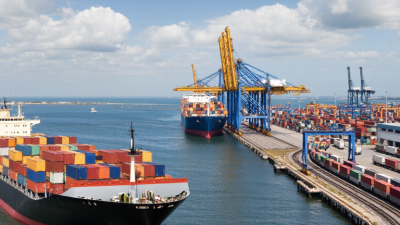
US Brazil cargo shipping connects exporters, importers, ports, customs authorities, and inland carriers across two large markets. It is more than moving a container between countries. Each shipment requires coordinated planning, accurate documents, suitable packaging, and realistic timing.
Dr. Jean-Paul Rodrigue, a respected transportation geographer, explains, “Ports are nodes in a wider transportation network.” This principle applies directly to US Brazil cargo shipping. A typical shipment may leave Santos or Paranaguá, cross the Atlantic, and arrive at Miami, Houston, or another suitable US port. From there, trucks or rail services move the cargo toward its final destination.
The process usually begins with a freight quotation and cargo assessment. Shippers then select ocean freight, air freight, or a combined solution. They must confirm weight, dimensions, commodity details, insurance, and agreed Incoterms. Required commercial and customs documents should match the actual cargo. Small errors can create expensive delays.
The sea journey may appear straightforward. It is not always predictable. Weather, port congestion, inspections, vessel schedules, and inland capacity can change delivery dates. That uncertainty deserves honest communication.
Good providers track milestones from pickup to final delivery. They also explain customs responsibilities clearly. This article examines the practical stages, common costs, transit considerations, and planning decisions behind US Brazil cargo shipping. It also highlights where estimates can fail, because reliable logistics advice should acknowledge limitations rather than promise perfection.
Read more »
By:Charlotte
- October 27, 2026
What Are the 2026 Best Cross Border Freight Forwarders?
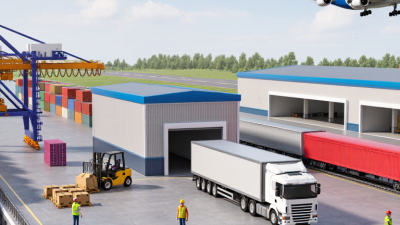
Choosing the best freight partner in 2026 requires more than comparing advertised prices. Cross-border freight forwarding now depends on reliability, visibility, compliance, and practical problem-solving across multiple trade lanes. A strong provider should coordinate ocean, air, rail, road, and customs services without creating unnecessary delays. It should also explain costs clearly before a shipment leaves the warehouse.
This guide examines leading forwarders through measurable criteria, including transit consistency, shipment tracking, carrier networks, documentation accuracy, and customer support. We consider real operating details, such as a delayed container, a missing commercial invoice, or a pallet waiting overnight at a distribution hub. These moments reveal more than polished marketing claims. They show whether a forwarder communicates quickly and offers workable solutions.
The 2026 market is changing. Digital platforms are improving shipment visibility, while regional expertise remains essential for complex routes. A provider may perform well between Asia and Europe but struggle with inland delivery in North America. No ranking can represent every shipper’s needs. That limitation deserves attention.
Our comparison uses publicly available company information, industry practices, and realistic service expectations. We also recognize that performance data can change with fuel costs, capacity shortages, weather, and regulatory updates. The best choice is rarely the cheapest quote. It is the forwarder that combines transparent pricing, proven experience, qualified specialists, and dependable communication. Small details matter. A timely email can protect an entire supply chain.
Read more »
 By:Ethan
- October 22, 2026
How to Find Reliable US Customs Clearance Services?
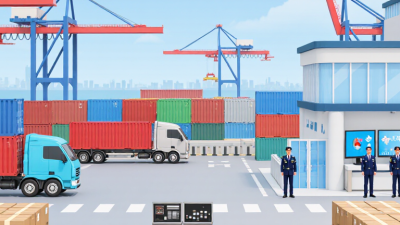
Finding dependable US customs clearance services requires more than comparing prices. Importers need accurate classification, complete commercial invoices, timely entry filing, and clear communication when cargo reaches the port. A single missing detail can delay a pallet of electronics, apparel, or machine parts while storage charges continue.
The U.S. Customs and Border Protection (CBP) Trade and Travel Report shows the scale of this responsibility. In fiscal year 2023, CBP processed more than 36 million formal entries and collected over $92 billion in duties, taxes, and fees. The U.S. Government Accountability Office also reported rapid growth in low-value shipments under the de minimis framework. These figures reveal a crowded, data-heavy environment. They also show why reliable service must combine technology with experienced judgment.
Lenny Feldman, a recognized U.S. customs compliance attorney, has stated, “Customs compliance is not a one-time event; it is an ongoing process.” That principle matters in daily operations. A strong provider should explain entry status, request missing documents early, and keep an audit trail for every declaration. It should also understand the importer’s products, suppliers, valuation methods, and delivery deadlines.
No provider can promise that every shipment will clear instantly. That promise deserves skepticism. The better question is whether the service identifies risk before the truck arrives. This guide examines how to evaluate US customs clearance services through professional credentials, communication standards, compliance controls, technology, and measurable performance.
Read more »
By:Charlotte
- October 17, 2026
China Top Door to Door International Logistics Companies
China’s export strength has created a demanding market for Door-to-door international logistics.
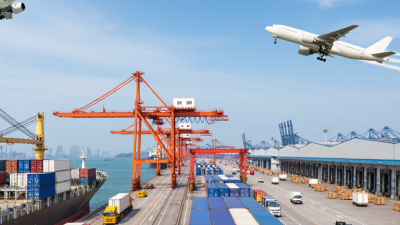
Reliable providers must coordinate pickup, export documentation, ocean or air transport, customs clearance, and final delivery.
The World Bank’s 2023 Logistics Performance Index ranked China 19th globally, reflecting strong infrastructure and logistics capability.
However, performance still varies between ports, carriers, destinations, and service networks.
UNCTAD’s Review of Maritime Transport reports that more than 80% of global merchandise trade moves by sea.
This explains why port capacity, sailing schedules, container availability, and transshipment planning remain critical for Chinese exporters.
Air freight offers speed, but its higher cost demands careful product valuation and route selection.
A practical shipment may begin with barcode scanning in Shenzhen, continue through Yantian Port, and end with a signed delivery in Rotterdam or Los Angeles.
Small errors can create large delays.
This guide examines leading Chinese logistics companies through service coverage, tracking quality, customs expertise, transit consistency, and customer support.
It also considers evidence beyond promotional claims, including network reach, shipment visibility, and independent performance indicators.
DHL’s Global Connectedness research shows that international trade networks remain highly interconnected, despite recent disruptions and regional uncertainty.
That reality makes supplier selection more important than ever.
No provider is perfect.
Even experienced operators can misjudge seasonal congestion or last-mile conditions.
Readers should verify quotations, insurance terms, delivery obligations, and destination procedures before committing cargo.
The strongest partner is not always the cheapest; it is the one that communicates clearly when plans change.
Read more »
By:Charlotte
- October 12, 2026
What Is LCL Freight Consolidation and How Does It Work?
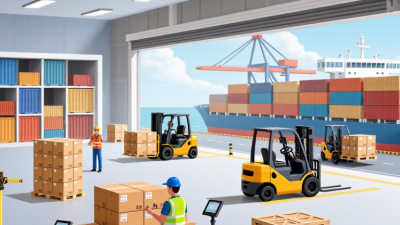
LCL freight consolidation helps shippers move smaller cargo volumes without booking a full container. It combines compatible shipments from several exporters inside one container. This approach can reduce space waste, control transport costs, and support more flexible inventory planning.
UNCTAD’s Review of Maritime Transport reports that ships carry over 80% of global merchandise trade by volume. However, major reports rarely isolate LCL freight consolidation as a separate global market. That limitation matters. Market size estimates can look precise while hiding different definitions and regional practices.
The process begins with cartons, pallets, or crates arriving at a consolidation warehouse. Staff check dimensions, weight, packaging, and shipping documents. The forwarder then groups suitable cargo by destination and sailing schedule. One container leaves the origin port. It reaches the destination port, where workers deconsolidate the cargo before final delivery.
Small details matter.
A single inaccurate measurement can change the quoted charge. Poor packaging can also create delays, damage, or rework. Robert Martichen, a lean logistics specialist, states, “The goal of lean is to create a smooth, uninterrupted flow of material through the supply chain.” His principle fits LCL operations closely, although real shipments are rarely perfectly smooth.
The World Bank’s 2023 Logistics Performance Index highlights tracking, tracing, and shipment reliability as important logistics capabilities. Therefore, this guide examines rates, schedules, documentation, warehouse handling, visibility, and delivery risks. It also questions when LCL is genuinely efficient. Sometimes, a full-container solution becomes more practical sooner than expected.
Read more »
By:Ethan
- October 7, 2026
2026 Best FCL Ocean Cargo Shipping Rates and Transit Times?
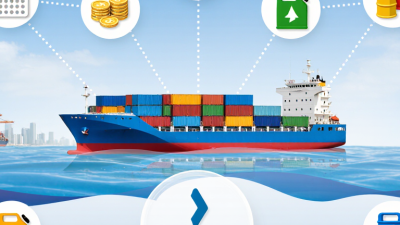
Choosing the best FCL ocean cargo shipping option in 2026 requires more than comparing headline prices. A low quote may exclude origin handling, documentation, terminal charges, or destination delivery. Reliable planning begins with a complete door-to-door cost review.
This guide examines typical rates and transit times across major trade lanes, including Asia to North America, Europe, and the Middle East. It explains how container size, cargo weight, port selection, sailing frequency, and seasonal demand affect the final quotation. A shipment from Shenzhen to Los Angeles may offer frequent departures, while a smaller port could reduce inland costs but extend transit time.
Transit estimates also need careful interpretation. Port-to-port sailing might take 14 days, yet customs processing, transshipment, and inland delivery can add another week. Delays happen.
Rates change with fuel prices, equipment availability, carrier capacity, and unexpected port congestion. Therefore, no single price remains “best” for every shipper. A trustworthy comparison should use current carrier or freight-forwarder quotations, clear service terms, and confirmed validity dates.
The sections ahead focus on practical decision-making. You will see where savings may be realistic, where cheaper service creates risk, and which questions deserve written confirmation. Some estimates may still prove imperfect because shipping conditions can change quickly. That limitation matters. Good logistics planning accepts uncertainty and builds reasonable time and budget buffers.
Read more »
 By:Olivia
- October 2, 2026
How Does Priority Air Freight Logistics Work?
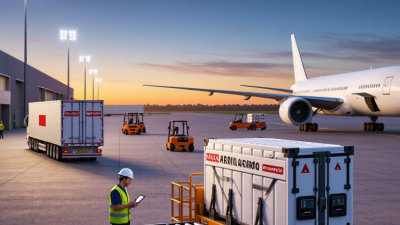
Priority air freight logistics is built for shipments that cannot wait for a standard service schedule. It uses air transport, coordinated ground handling, and time-sensitive planning to move cargo quickly. Think of a temperature-controlled carton leaving a warehouse at dusk, passing through a cargo terminal, and reaching a morning flight. Every handoff matters.
The process usually starts with shipment details, cargo dimensions, pickup timing, and delivery requirements. A logistics provider then checks flight availability, books capacity, arranges collection, and prepares the shipment for airport handling. After departure, tracking updates help teams respond to delays or missed connections. On arrival, customs processing and final delivery still take time. Fast flights do not erase every bottleneck.
IATA Global Head of Cargo Brendan Sullivan has emphasized collaboration and digitalization in air cargo. A fair paraphrase of that message is: “Visibility and coordination make speed useful.” That principle explains why priority service involves more than buying the earliest flight. It depends on accurate shipment information, responsive staff, and clear communication between carriers and handlers. Small details matter: a corrected label or late pickup can disrupt a tight connection.
There are limits. Premium routing may cost more, and capacity can change with little notice. Priority does not mean instant delivery. A realistic plan includes tracking, contingency options, and honest delivery estimates. Even experienced teams can misjudge a handoff. That deserves review, not glossing over. Understanding each step helps shippers choose a service that fits the cargo, deadline, and budget.
Read more »
By:Charlotte
- September 25, 2026
Top China Ocean Freight Forwarders to Miami Shipping
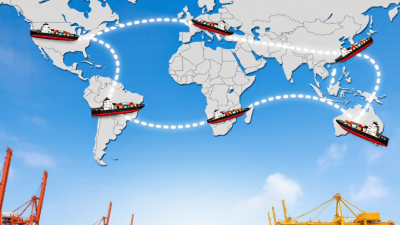
Shipping goods from China to Miami involves more than booking space on a vessel. A reliable Miami ocean freight forwarder can coordinate pickup, export handling, ocean transport, and delivery arrangements. Each handoff matters. A missed document or unclear fee can disrupt a carefully planned shipment.
This guide introduces leading China ocean freight forwarders serving Miami and explains what businesses should compare before requesting a quote. Providers may handle shipments from ports such as Shanghai, Ningbo, or Shenzhen, but routing, transit times, and service options vary. Confirm the actual schedule for your cargo, rather than relying on a general estimate. Ask whether a price includes origin charges, ocean freight, destination fees, and final delivery. The details matter.
Experience should be visible in practical answers. Can the forwarder explain the difference between less-than-container-load and full-container-load shipping? Will they provide shipment updates and identify documents needed for lawful, accurately declared cargo? Look for clear communication, itemized pricing, suitable cargo coverage, and a named contact. These are useful signs, not guarantees.
A low quote can look reassuring until additional charges appear. Even careful planning cannot remove every delay; port congestion, weather, and schedule changes remain possible. I would treat promised transit times cautiously and ask how exceptions are handled. This overview offers a starting point, not a substitute for checking current service terms and shipment details directly with each provider.
Read more »
By:Ethan
- September 25, 2026
7 Best US to Latin America Freight Forwarding Companies?
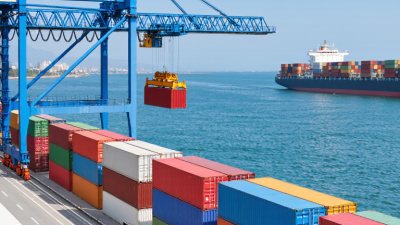
Choosing a US to Latin America freight forwarding partner is rarely a simple price comparison. A shipment leaving Miami for Bogotá faces different routing, handling, and delivery questions than cargo moving from Los Angeles to Santiago. Even familiar routes can shift with capacity, seasonal demand, and inland transport availability.
Logistics scholar Martin Christopher describes a supply chain as “a network of organizations.” That idea matters here: a forwarder coordinates carriers, port services, documentation, and local delivery rather than moving a container alone. Small details count. A missed booking cutoff or an unclear handoff can leave a shipment waiting while warehouse costs accumulate. Good communication helps, though it cannot remove every delay.
This guide compares seven companies serving US–Latin America trade lanes. It considers service coverage, transport options, tracking, customer support, and experience with regional shipping requirements. The best fit depends on your cargo, origin and destination, shipment size, and preferred level of support. Ask providers to confirm current routes, transit estimates, and included services before booking. A broad network may be useful, but it does not guarantee the smoothest shipment on every lane. This comparison is a starting point, not a final verdict; company performance can vary by route and shipment.
Read more »
By:Ethan
- September 25, 2026