Finding dependable US customs clearance services requires more than comparing prices. Importers need accurate classification, complete commercial invoices, timely entry filing, and clear communication when cargo reaches the port. A single missing detail can delay a pallet of electronics, apparel, or machine parts while storage charges continue.
The U.S. Customs and Border Protection (CBP) Trade and Travel Report shows the scale of this responsibility. In fiscal year 2023, CBP processed more than 36 million formal entries and collected over $92 billion in duties, taxes, and fees. The U.S. Government Accountability Office also reported rapid growth in low-value shipments under the de minimis framework. These figures reveal a crowded, data-heavy environment. They also show why reliable service must combine technology with experienced judgment.
Lenny Feldman, a recognized U.S. customs compliance attorney, has stated, “Customs compliance is not a one-time event; it is an ongoing process.” That principle matters in daily operations. A strong provider should explain entry status, request missing documents early, and keep an audit trail for every declaration. It should also understand the importer’s products, suppliers, valuation methods, and delivery deadlines.
No provider can promise that every shipment will clear instantly. That promise deserves skepticism. The better question is whether the service identifies risk before the truck arrives. This guide examines how to evaluate US customs clearance services through professional credentials, communication standards, compliance controls, technology, and measurable performance.
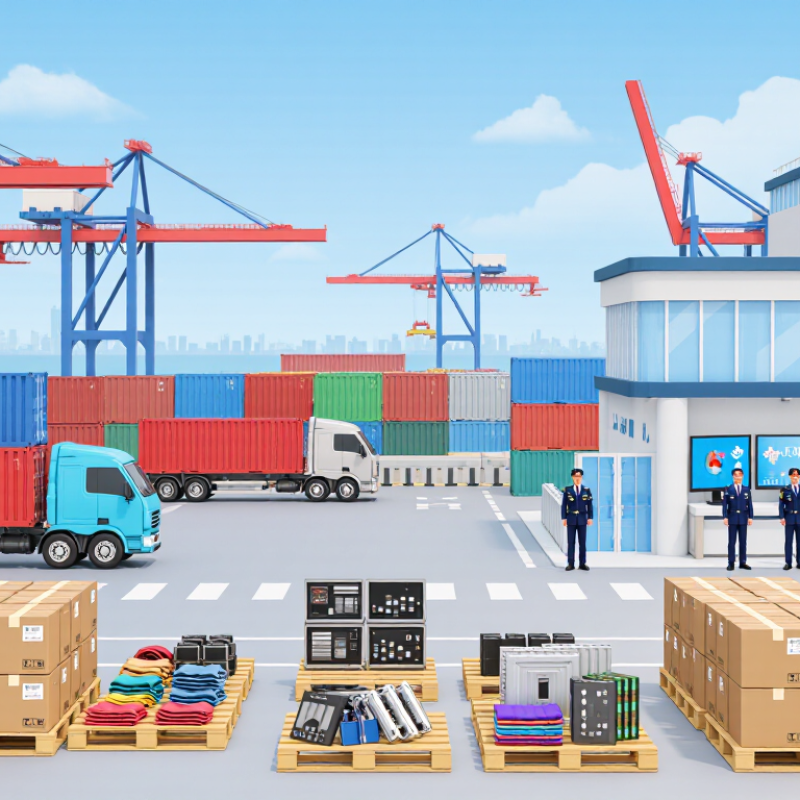
Define the Role of a US Customs Clearance Service
A US customs clearance service acts as the operational bridge between an importer and US Customs authorities. Its role begins before cargo reaches the port. The service reviews commercial invoices, packing lists, shipment values, and product descriptions. It also checks whether the proposed tariff classification appears reasonable. Small wording differences can change duty treatment. Details matter.
After receiving shipment data, the customs professional prepares and submits the entry information. This may include importer details, bond information, duties, fees, and required agency documents. The service monitors cargo status and responds when customs requests clarification. It also coordinates with carriers, warehouses, and import teams. A shipment may sit while one document is corrected. Clear communication prevents avoidable delays.
Reliable providers do more than file forms. They explain assumptions, retain records, and identify missing information before submission. Their staff should understand entry procedures, valuation principles, and document control. They should also communicate limitations instead of promising guaranteed release. No process is flawless. Product descriptions can be incomplete, and classification judgments may need review. A careful service records these uncertainties and recommends professional advice when the facts are complex. This practical transparency helps importers make informed decisions while keeping clearance accurate, traceable, and compliant.
FAQS
It connects importers with US Customs authorities. It reviews invoices, packing lists, values, and product descriptions. It prepares entry information and tracks shipment progress. Details matter.
Preparation should begin before cargo reaches the port. The service checks documents, importer details, bond information, duties, and required agency records. Early review can prevent a shipment from waiting over one missing document.
Small wording differences may affect tariff treatment. A professional reviews whether the proposed classification appears reasonable. Complex products may require additional advice. Judgments can change.
Common documents include commercial invoices and packing lists. The service may also review origin evidence, shipment values, and importer information. Incomplete descriptions create avoidable questions. Do not guess.
Look for repeated comments about accuracy, response time, and problem ownership. Ask for recent references involving similar cargo and destination ports. Specific examples are more useful than vague praise. Polished pages prove little.
Yes, a low-risk, compliant trial shipment can provide useful evidence. Measure document submission time, release time, correction requests, updates, and unexpected charges. One trial cannot represent every season. That limitation matters.
Clear communication helps resolve customs questions quickly. The service may coordinate with carriers, warehouses, and import teams. Written updates also create a useful record. Silence causes confusion.
No responsible service should promise guaranteed release. Customs decisions may depend on documents, classification, valuation, and agency review. A careful provider explains assumptions and limitations. No process is flawless.
The provider should retain entry details, supporting documents, corrections, and communication records. These records make the process more traceable. They also support a second review when mistakes occur. Errors happen.
Conclusion
Finding reliable US customs clearance services starts with understanding what the provider actually does. A capable service should help classify goods, prepare and review import documents, communicate with customs authorities, and guide shipments through entry procedures. Before choosing a provider, confirm its licensing, practical experience, and familiarity with your product categories and import requirements. Strong compliance procedures, accurate documentation support, and attention to changing regulations can reduce delays, unexpected costs, and administrative errors.
It is also important to compare pricing, communication standards, and service coverage. Ask whether the provider can support your shipment routes, ports, and expected volume, and clarify which services are included in the quoted fees. To assess reliability, review client feedback, request relevant references, and consider starting with a small trial shipment. A dependable partner should communicate clearly, respond promptly, explain its process, and provide consistent support from document preparation through customs release.