LCL freight consolidation helps shippers move smaller cargo volumes without booking a full container. It combines compatible shipments from several exporters inside one container. This approach can reduce space waste, control transport costs, and support more flexible inventory planning.
UNCTAD’s Review of Maritime Transport reports that ships carry over 80% of global merchandise trade by volume. However, major reports rarely isolate LCL freight consolidation as a separate global market. That limitation matters. Market size estimates can look precise while hiding different definitions and regional practices.
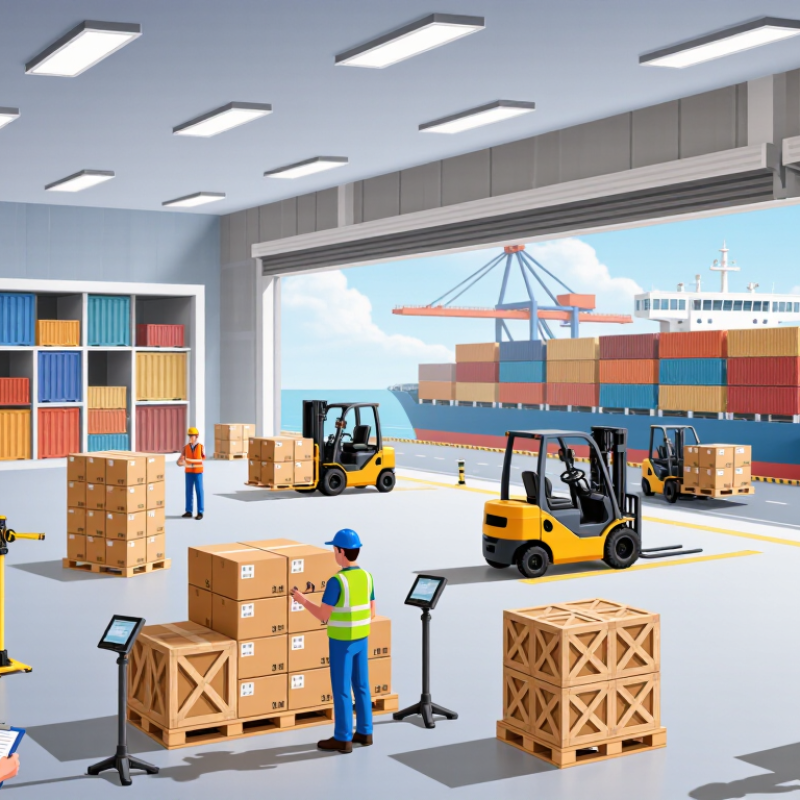
The process begins with cartons, pallets, or crates arriving at a consolidation warehouse. Staff check dimensions, weight, packaging, and shipping documents. The forwarder then groups suitable cargo by destination and sailing schedule. One container leaves the origin port. It reaches the destination port, where workers deconsolidate the cargo before final delivery.
Small details matter.
A single inaccurate measurement can change the quoted charge. Poor packaging can also create delays, damage, or rework. Robert Martichen, a lean logistics specialist, states, “The goal of lean is to create a smooth, uninterrupted flow of material through the supply chain.” His principle fits LCL operations closely, although real shipments are rarely perfectly smooth.
The World Bank’s 2023 Logistics Performance Index highlights tracking, tracing, and shipment reliability as important logistics capabilities. Therefore, this guide examines rates, schedules, documentation, warehouse handling, visibility, and delivery risks. It also questions when LCL is genuinely efficient. Sometimes, a full-container solution becomes more practical sooner than expected.
What Is LCL Freight Consolidation?
What Is LCL Freight Consolidation and How Does It Work?
What Is LCL Freight Consolidation?
LCL means Less than Container Load. It allows several shippers to share one ocean container. A freight consolidator collects separate cartons, crates, or pallets from different exporters. The cargo moves to a container freight station, where staff check dimensions, weight, labels, and packaging. They then combine compatible shipments into one container.
At the destination, workers unload and separate each shipment. Customs clearance follows before final delivery. Charges usually depend on volume, weight, handling, documentation, and local delivery. A small shipment may look simple. It can still create unexpected fees when measurements are inaccurate. That is the trade-off.
UNCTAD’s Review of Maritime Transport 2024 states that ships carry over 80% of global trade by volume. This scale explains why shared-container services remain important for smaller consignments. The World Bank’s 2023 Logistics Performance Index reports that goods spend about 44 days in transit between export and import ports. LCL planning must therefore include buffer time, not only the sailing schedule.
In practice, strong cartons, clear marks, and accurate commercial documents reduce handling problems. Packaging should tolerate stacking and repeated movement. I have seen shipment plans fail because one carton exceeded the declared size. The lesson is uncomfortable: consolidation saves space, but it rewards careful preparation. A booking should confirm cut-off times, cargo dimensions, destination charges, and delivery terms before pickup.
FAQS
LCL shipping shares one container among several smaller shipments. Each shipper pays for the space used. It suits cargo that cannot fill a container.
Provide package count, dimensions, weight, pickup location, delivery terms, and handling needs. Include pallets and protective materials in measurements.
Supplier measurements may be inaccurate. Even a small difference can change the chargeable volume, weight, or freight cost.
Use strong outer packaging. Mark each carton with a shipment reference, destination, and handling instructions. Weak boxes can collapse beside heavier freight.
Workers group cargo with compatible routes, schedules, packaging, and handling needs. Heavier cartons usually go below fragile packages.
Staff inspect packages, verify labels, record measurements, and arrange cargo inside the shared container. Photos may confirm the loading condition.
Charges usually use volume or weight, whichever produces the higher billable figure. Handling, documentation, terminal, delivery, and destination fees may also apply.
Transit includes warehouse waiting, loading, sailing, unloading, separation, clearance, and delivery. Congestion, weather, or missing documents can extend the schedule.
No. Accurate documents, early measurements, clear labels, and a time buffer reduce risks. Still, no plan is perfectly smooth.
Keep packing lists, receiving records, loading photos, measurements, and shipment instructions. These details help when the physical cargo differs from paperwork.
Conclusion
LCL freight consolidation is a shipping method that combines cargo from multiple customers into one shared container. It is designed for businesses that do not have enough goods to fill an entire container, allowing them to move smaller shipments while paying only for the space they use. Before loading, each shipment is measured, documented, labeled, and prepared according to its handling requirements. Compatible shipments are then grouped at a consolidation facility and secured inside the container for ocean transport.
The LCL shipping process generally includes booking space, delivering cargo to a warehouse, verifying its details, consolidating it with other shipments, transporting the container, and separating the cargo at the destination before final delivery. Costs are influenced by factors such as volume, weight, origin, destination, handling, documentation, and additional service requirements. Transit times may be longer than full-container shipping because consolidation and deconsolidation require extra steps. Overall, LCL offers flexibility and lower entry costs, but it may involve more handling, variable schedules, and a greater need for accurate packing and documentation.