0%

China’s export strength has created a demanding market for Door-to-door international logistics.
Reliable providers must coordinate pickup, export documentation, ocean or air transport, customs clearance, and final delivery.
The World Bank’s 2023 Logistics Performance Index ranked China 19th globally, reflecting strong infrastructure and logistics capability.
However, performance still varies between ports, carriers, destinations, and service networks.

UNCTAD’s Review of Maritime Transport reports that more than 80% of global merchandise trade moves by sea.
This explains why port capacity, sailing schedules, container availability, and transshipment planning remain critical for Chinese exporters.
Air freight offers speed, but its higher cost demands careful product valuation and route selection.
A practical shipment may begin with barcode scanning in Shenzhen, continue through Yantian Port, and end with a signed delivery in Rotterdam or Los Angeles.
Small errors can create large delays.

This guide examines leading Chinese logistics companies through service coverage, tracking quality, customs expertise, transit consistency, and customer support.
It also considers evidence beyond promotional claims, including network reach, shipment visibility, and independent performance indicators.
DHL’s Global Connectedness research shows that international trade networks remain highly interconnected, despite recent disruptions and regional uncertainty.
That reality makes supplier selection more important than ever.
No provider is perfect.
Even experienced operators can misjudge seasonal congestion or last-mile conditions.
Readers should verify quotations, insurance terms, delivery obligations, and destination procedures before committing cargo.
The strongest partner is not always the cheapest; it is the one that communicates clearly when plans change.
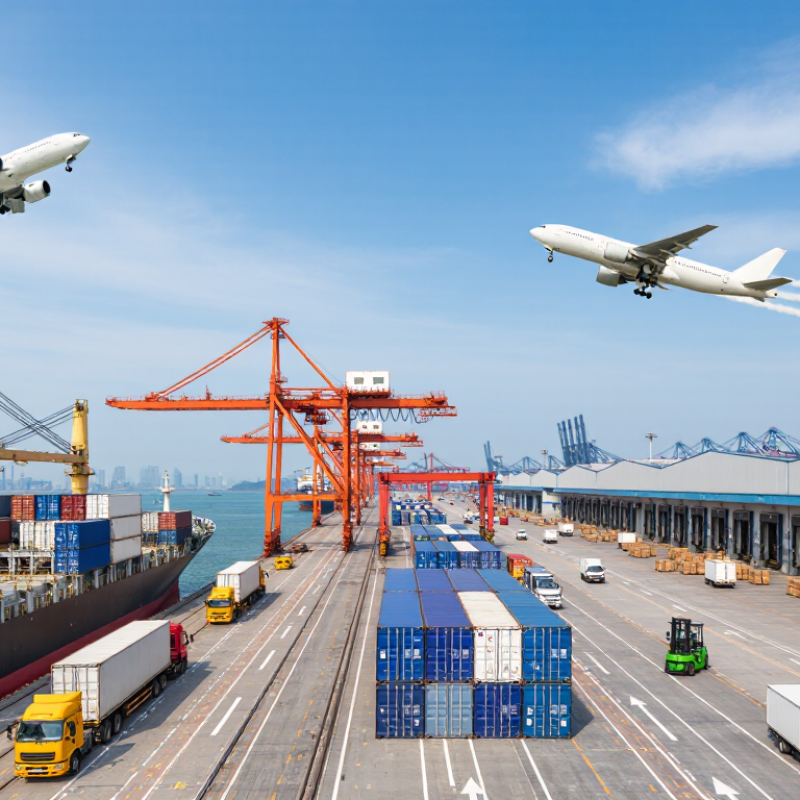
China Top Door to Door International Logistics Companies

What Door-to-Door International Logistics Means in China

Door-to-door international logistics from China means one coordinated movement from a supplier’s warehouse to the buyer’s final address. The service may include pickup, export clearance, international transport, import procedures, customs duties, and last-mile delivery. It is not simply “shipping to China” or booking a container. Responsibility must be written clearly.

In practice, a reliable logistics provider checks the commercial invoice, packing list, product classification, carton dimensions, and delivery address before quoting. Air freight may suit urgent samples, while ocean freight usually fits heavier commercial cargo. UNCTAD reports that maritime transport carries over 80% of global merchandise trade by volume, showing why sea freight remains central to China’s international supply chains. The World Bank’s Logistics Performance Index 2023 placed China 19th globally, with a score of 3.7 out of 5. These figures support China’s strong logistics capacity, but they do not guarantee every shipment will run smoothly.

A good door-to-door quote should identify the transport mode, transit estimate, insurance scope, tax treatment, tracking process, and exception handling. “All-inclusive” can be misleading. Local delivery, storage, remote-area fees, and customs delays may sit outside the first price. From practical shipment reviews, the weakest point is often poor data, not transportation itself. One wrong address can create days of delay. I would also question overly precise delivery promises, because weather, port congestion, inspections, and local carrier capacity remain unpredictable. (Sources: UNCTAD Review of Maritime Transport 2023; World Bank Logistics Performance Index 2023)

How China’s Door-to-Door Logistics Companies Operate

China’s door-to-door logistics companies manage shipments from a supplier’s warehouse to the buyer’s address. The process usually starts with cargo measurement, product checks, and pickup scheduling. A coordinator confirms weight, dimensions, destination, and delivery terms before transport begins. Small parcels may move through air freight, while larger orders often use sea freight. The choice depends on urgency, budget, and cargo volume.

At the warehouse, staff photograph cartons, verify labels, and combine compatible shipments when practical. They prepare commercial invoices, packing lists, and other required documents. Customs procedures depend on the destination country and product category. Reliable operators explain duties, taxes, delivery limits, and documentation before departure. They should never promise clearance without reviewing the shipment details. Tracking updates normally appear at key points, such as pickup, export handling, arrival, and final delivery.

The final stage involves a local delivery partner bringing the cartons to the stated address. Some services include appointment delivery, while others leave packages at a receiving facility. From practical shipping experience, clear carton markings can prevent costly delays. However, the process is not flawless. Measurements may change after packing, and tracking information can pause between carriers. Customers should inspect the goods on arrival and report visible damage quickly. Small details matter. Reliable communication still requires patience from both sides.

China Door-to-Door International Logistics: Operating Capability Indicators

China’s door-to-door international logistics performance depends on customs processing, infrastructure, international shipment arrangements, logistics competence, shipment tracking, and delivery timeliness. The chart uses China’s 2023 World Bank Logistics Performance Index component scores, measured on a scale from 1.0 (low) to 5.0 (high). These capabilities support the coordination of pickup, export procedures, international transport, import clearance, and final delivery.

Source: World Bank, Logistics Performance Index 2023.

Key Services Offered by Leading Chinese Logistics Providers

China Top Door to Door International Logistics Companies

Leading Chinese logistics providers offer complete door-to-door services for international shipments. They collect cargo from factories, check packaging, and arrange warehouse handling. Many providers also support export paperwork and shipment consolidation. This helps smaller orders move with fewer separate arrangements. Main transport may use air, sea, rail, or combined routes. After arrival, local delivery teams bring the shipment to the final address. Tracking updates, delivery schedules, and cargo status reports improve visibility. However, delivery estimates are useful, not guaranteed.

Tips: Confirm product details, package dimensions, pickup dates, and destination rules before booking. Ask for a written cost breakdown. It should include collection, handling, transport, customs support, and final delivery. Keep invoices and packing lists accurate. Small errors can create large delays. Choose a provider with clear communication and documented shipping experience.

Reliable logistics companies also provide cargo inspection, temporary storage, repacking, and delivery appointment services. These options are valuable when factories finish production at different times. A professional team should explain route choices and possible delays in plain language. It should also protect customer information and provide realistic updates. No provider is perfect. Weather, port congestion, or incomplete documents may still affect delivery. Good support means identifying these risks early and offering practical alternatives.

How to Compare China’s International Logistics Companies

Comparing China’s international logistics companies requires more than checking freight prices. A reliable evaluation begins with the shipment profile: product type, carton dimensions, weight, destination, delivery term, and required arrival date. Ask each provider for a written quotation with pickup charges, export handling, freight, customs documentation, destination fees, and taxes shown separately. Compare like with like. A cheap ocean rate may exclude port handling or final-mile delivery.

Examine operational experience on your route. Request recent transit-time data, not only advertised estimates. Check whether the company operates a warehouse near the supplier, offers cargo inspection, and provides photo records before loading. Tracking should show meaningful milestones, such as warehouse receipt, container departure, and destination release. Ask who manages exceptions when a vessel is delayed. Clear answers matter. Verify licenses, insurance coverage, claims procedures, and service contacts in writing. A professional provider should explain Incoterms plainly and identify documents needed for each shipment.

Communication quality is another practical test. Send the same questions to several companies and compare response speed, detail, and consistency. Hidden complexity often appears in vague language. I have seen polished quotes fail because carton measurements were never rechecked. That mistake can change the freight class and final bill. Build a small trial shipment before committing to regular volume. Review delivery accuracy, damage reports, invoice clarity, and problem-solving behavior. No provider performs perfectly. The useful question is how openly it corrects errors and records the lesson.

Factors to Consider When Choosing a Logistics Partner

China Top Door to Door International Logistics Companies

Choosing a door-to-door logistics partner requires more than comparing freight quotes. Review pickup coverage, customs expertise, transit visibility, final-mile capacity, and claims handling. The World Bank’s 2023 Logistics Performance Index shows that supply-chain reliability varies sharply between markets. Delays can stretch from several days to more than a month. A cheaper route may create expensive inventory problems.

Ask for measurable evidence. A reliable provider should show milestone scans, exception alerts, delivery records, and clear responsibility for each transport stage. The UNCTAD Review of Maritime Transport reports that over 80% of global merchandise trade moves by sea. Therefore, port congestion planning matters, even for a small parcel. Check whether the partner offers realistic delivery windows, compliant documentation, cargo protection, and transparent surcharges. No scorecard is perfect. Keep room for seasonal disruption.

Tips: Request three recent performance examples for similar routes. Confirm average transit time, not the best-case promise. Test customer support before signing. Ask who handles customs questions at 8 a.m. local time. Small details matter. Also inspect the contract’s claims timeline and compensation limits. The World Bank’s data suggests tracking quality strongly affects logistics predictability, yet many buyers still accept vague “in transit” updates. That is a mistake worth questioning. A partner with excellent software but weak warehouse controls may still disappoint. Verify both sides.

China Top Door to Door International Logistics Companies - Factors to Consider When Choosing a Logistics Partner

Evaluation Factor Suggested Weight Practical Benchmark for Comparison What to Verify Before Signing Why It Matters
Door-to-Door Service Coverage 15% Origin pickup to final delivery
One provider should coordinate pickup, export handling, international transport, import clearance, and last-mile delivery.
Confirm the exact pickup and delivery locations, service exclusions, remote-area fees, and whether the quoted service is truly door-to-door. A single point of coordination can reduce handover delays and unexpected operational gaps.
Customs Clearance Capability 15% Complete documentation
Commercial invoice, packing list, transport document, HS classification, origin information, and any required permits should be prepared accurately.
Ask who acts as the customs representative, who is responsible for classification errors, and whether duties and taxes are included or billed separately. Incorrect declarations can cause inspections, storage charges, penalties, or delivery delays.
Transit-Time Reliability 12% Published range, not a single promise
International transit commonly varies by route, transport mode, customs processing, season, and final-mile location.
Request historical on-time performance, cutoff times, sailing or flight frequency, and a written definition of the estimated transit time. Reliable delivery planning is often more valuable than the shortest advertised transit time.
Total Landed Cost Transparency 15% Itemized quotation
The quotation should clearly separate freight, pickup, handling, customs service, duties, taxes, fuel or security surcharges, storage, and last-mile fees.
Compare quotations using the same shipment weight, dimensions, Incoterm, cargo value, destination, and tax assumptions. Low headline rates may exclude destination charges or use billable weight rules that increase the final cost.
Shipment Tracking and Visibility 10% Milestone-based tracking
Useful events include pickup, warehouse receipt, export clearance, departure, arrival, import clearance, out-for-delivery, and proof of delivery.
Test the tracking system with a sample shipment and confirm update frequency, exception alerts, user access, and proof-of-delivery availability. Timely status information helps manage inventory, customer expectations, and delivery exceptions.
Transport Mode and Route Options 8% Multimodal flexibility
Common options include air freight for speed, ocean freight for larger volumes, rail on selected corridors, and express or postal services for certain parcels.
Check available origin gateways, destination networks, consolidation schedules, transshipment points, and backup routes. Alternative routes can reduce disruption when capacity, weather, port congestion, or regulatory conditions change.
Cargo Safety and Handling Controls 8% Documented handling process
Packaging review, warehouse security, carton labeling, scanning, damage reporting, and controlled handovers should be defined.
Review warehouse procedures, prohibited-item rules, packaging requirements, claims procedures, and responsibility during each custody transfer. Proper handling reduces loss, damage, misrouting, and disputes over liability.
Insurance and Claims Protection 7% Written coverage terms
Coverage should state insured risks, exclusions, deductibles, valuation basis, claim deadlines, and required evidence.
Confirm whether insurance is optional or included, who underwrites it, and the procedure for reporting damage or loss. Carrier liability may be limited by transport conventions, service terms, declared value, or applicable law.
Product and Regulatory Expertise 5% Commodity-specific knowledge
Extra controls may apply to batteries, chemicals, food, cosmetics, medical products, oversized cargo, and branded or regulated goods.
Provide the product description, material composition, safety data, HS code, and destination requirements before requesting a final quote. Regulatory mistakes can lead to rejection, seizure, fines, or mandatory return shipment.
Customer Support and Escalation 5% Defined communication process
A responsible account contact, response-time commitment, escalation path, and after-hours procedure should be available.
Ask how exceptions are reported, who approves additional charges, and how urgent customs or delivery problems are escalated. Fast, accountable communication can limit the commercial impact of unexpected disruptions.
Total Suggested Evaluation Weight 100% Use the weights as a starting framework and adjust them according to cargo value, urgency, product type, destination, and shipment volume.

FAQS

What does door-to-door international logistics from China include?

It moves goods from a supplier’s warehouse to the buyer’s final address. Services may include pickup, export clearance, international transport, import procedures, duties, and local delivery. Responsibilities must be written clearly.

Which transport method suits different shipments?

Air freight often suits urgent samples or smaller shipments. Ocean freight usually fits heavier commercial cargo. Rail or combined routes may offer another option. The fastest route is not always the best value.

What information should be ready before requesting a quote?

Prepare the product type, carton dimensions, weight, quantity, address, and pickup date. Keep the invoice and packing list accurate. One wrong address can create days of delay.

What should a door-to-door quotation show?

It should separate pickup, handling, freight, customs support, taxes, and final delivery. Check insurance, tracking, transit estimates, and exception handling. “All-inclusive” may still exclude storage or remote-area fees.

How can several logistics providers be compared fairly?

Send the same shipment details to each provider. Compare complete costs, not only the freight rate. A cheap ocean quote may exclude port handling and final-mile delivery. Compare like with like.

How can shipment progress be tracked?

Useful tracking shows warehouse receipt, loading, departure, arrival, and destination release. Ask who handles delays or missing documents. A vague status update helps little.

What documents and checks can reduce delivery problems?

Verify the commercial invoice, packing list, product classification, dimensions, and delivery address. Ask for cargo inspection and loading photos when available. Small errors matter.

Should a buyer test a provider before regular shipments?

A small trial shipment can reveal delivery accuracy, damage handling, and invoice clarity. Review how the provider corrects mistakes. No provider performs perfectly. That deserves attention.

Conclusion

Door-to-door international logistics in China provides a complete shipping solution that moves goods from the supplier’s location to the final recipient’s address. This service may include pickup, export documentation, customs coordination, international transportation, import procedures, local delivery, and shipment tracking. Chinese logistics companies typically coordinate these stages through integrated networks, digital systems, and partnerships with carriers and local service providers, helping simplify international trade for businesses of different sizes.

When comparing China’s international logistics companies, customers should evaluate service coverage, transportation options, delivery time, pricing transparency, tracking capabilities, communication quality, and experience with the destination market. It is also important to confirm how the provider manages documentation, customs requirements, insurance options, packaging, and unexpected delays. A reliable logistics partner should offer clear terms, responsive support, flexible solutions, and consistent compliance with applicable international shipping regulations.

Charlotte

Charlotte

Charlotte is a dedicated marketing professional who combines a strong understanding of the company’s products with a clear, customer-focused approach to communication. She regularly contributes expert articles to the company website, helping readers understand product features, practical......