0%

Choosing a US to Latin America freight forwarding partner is rarely a simple price comparison. A shipment leaving Miami for Bogotá faces different routing, handling, and delivery questions than cargo moving from Los Angeles to Santiago. Even familiar routes can shift with capacity, seasonal demand, and inland transport availability.

Logistics scholar Martin Christopher describes a supply chain as “a network of organizations.” That idea matters here: a forwarder coordinates carriers, port services, documentation, and local delivery rather than moving a container alone. Small details count. A missed booking cutoff or an unclear handoff can leave a shipment waiting while warehouse costs accumulate. Good communication helps, though it cannot remove every delay.

This guide compares seven companies serving US–Latin America trade lanes. It considers service coverage, transport options, tracking, customer support, and experience with regional shipping requirements. The best fit depends on your cargo, origin and destination, shipment size, and preferred level of support. Ask providers to confirm current routes, transit estimates, and included services before booking. A broad network may be useful, but it does not guarantee the smoothest shipment on every lane. This comparison is a starting point, not a final verdict; company performance can vary by route and shipment.
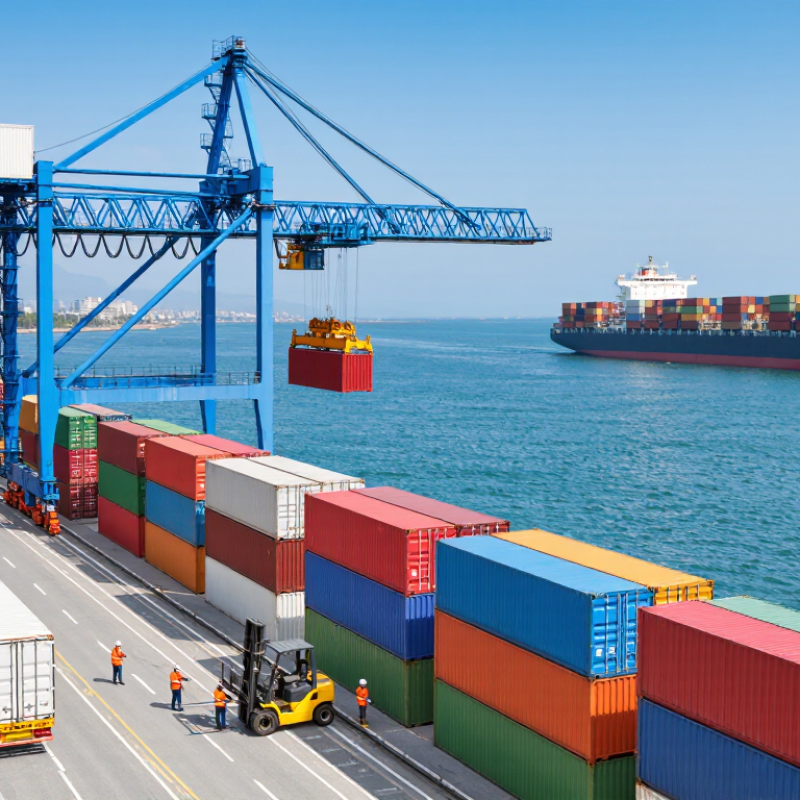
7 Best US to Latin America Freight Forwarding Companies?

How US–Latin America Freight Forwarding Works

US–Latin America freight forwarding connects a supplier, carrier, customs broker, and receiver across several handoffs. The process usually begins with cargo details: dimensions, weight, packaging, pickup address, and delivery deadline. A forwarder uses these details to compare air, ocean, and multimodal routes. Air can suit urgent, compact shipments; ocean is often more practical for larger loads. Small details matter.

Before cargo moves, the shipper and forwarder confirm the commercial invoice, packing list, transport documents, and destination requirements. Exact paperwork varies by country and shipment, so assumptions can cause costly holds. The forwarder coordinates export procedures in the United States, books space, and tracks milestones such as pickup, port arrival, and vessel departure. At destination, local customs clearance and delivery arrangements must be coordinated, too. A shipment is not “done” when it reaches the port.

Clear communication helps prevent avoidable delays. Ask who handles each handoff, what charges are included, and when updates will arrive. Share accurate cargo descriptions and flag special handling needs early. Even a carefully planned schedule can slip when weather, congestion, or inspections intervene. I would treat an estimated transit time as a planning guide, not a promise; that distinction is easy to overlook.

Criteria for Evaluating Freight Forwarders

When comparing freight forwarders, evaluate their experience on your specific US–Latin America corridor. A provider familiar with shipments from Houston to Bogotá may understand different port schedules and handoffs than one focused on São Paulo. Ask how it selects ocean, air, and inland transport, and who coordinates each transfer. Details matter.

Check whether the company explains documentation requirements clearly and identifies who handles each task. Ask for shipment milestones, response times, and a real escalation contact—not just an online tracking page. For temperature-sensitive or fragile cargo, confirm how handling instructions are shared and recorded. A dashboard can look reassuring while updates lag behind the actual shipment. That happens.

Review quotes line by line. Look for clearly stated origin, freight, destination, and accessorial charges, plus what could change the final cost. Ask how delays, missed connections, or cargo damage are reported and addressed. Request references for similar shipment sizes and routes, then ask those customers about communication during disruptions. One imperfect measure is a forwarder’s willingness to explain limits; confident promises about every transit time deserve careful questioning. Compare service details, not just the lowest quoted rate.

Seven Providers Serving US–Latin America Routes

US–Latin America freight providers vary widely in the routes and services they handle. Some focus on ocean freight for full containers; others consolidate smaller shipments or arrange faster air cargo. A useful comparison starts with the actual lane, not a broad claim of regional coverage. A shipment moving from Houston to Veracruz may need different inland coordination than cargo moving from Miami to Cartagena.

Across seven providers, check how clearly each explains transit estimates, transfer points, and delivery options. Ask whether the quote separates pickup, handling, freight, and destination charges. Clear details matter. A low headline rate can hide costs that appear later. For temperature-sensitive cargo, confirm the equipment and monitoring process before booking. For general freight, request milestone updates and a named contact for delays. Port schedules can shift, and inland handoffs are not always seamless. No routing plan is perfect. I would also compare how providers handle disruptions, rather than judging them only by polished tracking screens. Their answers should be specific to the route, shipment size, and required delivery window.

Shipping Modes, Services, and Regional Coverage

Choosing among US-to-Latin America freight forwarders starts with the shipment’s size, urgency, and final destination. Full-container ocean freight can suit steady, larger loads, while less-than-container shipping helps when cargo does not fill a container. Air freight is faster for compact, time-sensitive goods, but usually costs more. It depends.

Ask how each provider handles port pickup, export documentation, cargo tracking, and delivery coordination. A useful quote should identify the transport mode, estimated transit time, likely handoffs, and charges that may change. For inland delivery, confirm whether local trucking is arranged directly or through a regional partner. The paperwork matters.

Regional coverage is not always uniform. A provider may offer frequent sailings to major ports but fewer options for inland cities or smaller markets. Routes through the Caribbean, Central America, and South America can involve different schedules and transfer points. Coverage claims deserve careful checking. Ask which destinations are served directly, where cargo changes carriers, and who updates you if a connection is missed. Even a tidy route plan can shift, so compare realistic service details rather than relying on a broad map.

US to Latin America Freight: Typical Transit-Time Ranges

Compare common shipping modes when evaluating freight-forwarding services. Transit times are indicative planning estimates, not guaranteed delivery windows.

Ranges show typical transit time in days. Actual schedules vary by origin, destination, routing, carrier, and season; customs clearance and inland delivery can add time.

Costs, Customs, and Selecting a Freight Forwarder

Freight costs from the United States to Latin America rarely stop at the ocean or air rate. A quote may also include pickup, export handling, documentation, customs brokerage, destination terminal charges, duties, taxes, and final delivery. Ask whether the rate is door-to-door or port-to-port, and which charges are estimates. Small print matters. A container delayed at a port can collect storage or equipment fees. A shipment requiring extra inspection may need more time and handling. Compare quotes using the same shipment details: dimensions, weight, origin, destination, service speed, and delivery terms. The cheapest line can become expensive later.

Customs planning deserves equal attention. Provide accurate product descriptions, declared values, country of origin, and consistent commercial invoices and packing lists. Ask who checks tariff classifications and whether local brokerage is included; requirements vary by destination and product. No one should promise a guaranteed clearance date. Delays happen. When evaluating a forwarder, request a written cost breakdown, clear operating contacts, shipment tracking, insurance options, and relevant route experience. Confirm how changes, inspections, and missed connections are handled. A polished quote is useful, but not proof of reliable execution. Leave room in the budget for surprises; estimates are not always tidy, and that uncertainty deserves a second look.

FAQS

What route experience should I look for in a freight forwarder?

Choose experience matching your exact corridor. Houston to Bogotá may involve different schedules and handoffs than routes to São Paulo. Details matter.

What should a freight quote include?

Request origin, freight, destination, pickup, documentation, customs, taxes, and final delivery charges. Confirm whether it is door-to-door or port-to-port. Small print matters.

How can I compare two shipping quotes fairly?

Use identical dimensions, weight, origin, destination, speed, and delivery terms. Check which charges are estimates. The cheapest quote may cost more later.

What shipment updates should a forwarder provide?

Ask for milestones, response times, tracking access, and a real escalation contact. A dashboard can look reassuring while updates lag. That happens.

How should fragile or temperature-sensitive cargo be handled?

Confirm how handling instructions are shared, recorded, and checked during transfers. Ask who coordinates each handoff. Written instructions reduce confusion, though mistakes remain possible.

What customs information must I prepare?

Provide accurate product descriptions, declared values, country of origin, invoices, and packing lists. Ask who reviews tariff classifications and local brokerage. Requirements vary.

Can a forwarder guarantee customs clearance or delivery dates?

No responsible provider should guarantee every date. Inspections, missed connections, and port delays can change plans. Leave room for surprises.

How should delays, damage, or missed connections be handled?

Ask for reporting steps, responsible contacts, response times, and insurance options. Request examples from similar shipments. Confident promises deserve careful questioning.

Why should I request customer references?

References can reveal communication quality during disruptions. Ask about shipment size, route, delays, and final costs. One reference is not enough.

What is an imperfect but useful evaluation measure?

Watch how openly the provider explains limitations and uncertain charges. A polished quote is not proof of reliable execution. Recheck assumptions.

Conclusion

This article explains how US to Latin America freight forwarding connects businesses with customers and suppliers across the region, from pickup and export preparation in the United States to transportation, customs coordination, and final delivery. It outlines the main factors to consider when comparing providers, including experience on relevant routes, service reliability, shipment visibility, communication, and the ability to coordinate local logistics.

Readers will also find an overview of seven types of providers serving these trade lanes, along with common shipping options such as air, ocean, and multimodal transport. The article describes how services and regional coverage can vary between countries, and why transit times, cargo characteristics, and delivery requirements matter when choosing a mode. It also examines the cost components that may affect a shipment, the role of accurate documentation and customs coordination, and practical questions to ask before selecting a freight forwarder.

Ethan

Ethan

Ethan is a professional marketing specialist who brings a strong understanding of the company’s products and the needs of its customers. He works closely with product and service teams to turn detailed knowledge into clear, practical information, helping readers understand product features,......