US Brazil cargo shipping connects exporters, importers, ports, customs authorities, and inland carriers across two large markets. It is more than moving a container between countries. Each shipment requires coordinated planning, accurate documents, suitable packaging, and realistic timing.
Dr. Jean-Paul Rodrigue, a respected transportation geographer, explains, “Ports are nodes in a wider transportation network.” This principle applies directly to US Brazil cargo shipping. A typical shipment may leave Santos or Paranaguá, cross the Atlantic, and arrive at Miami, Houston, or another suitable US port. From there, trucks or rail services move the cargo toward its final destination.
The process usually begins with a freight quotation and cargo assessment. Shippers then select ocean freight, air freight, or a combined solution. They must confirm weight, dimensions, commodity details, insurance, and agreed Incoterms. Required commercial and customs documents should match the actual cargo. Small errors can create expensive delays.
The sea journey may appear straightforward. It is not always predictable. Weather, port congestion, inspections, vessel schedules, and inland capacity can change delivery dates. That uncertainty deserves honest communication.
Good providers track milestones from pickup to final delivery. They also explain customs responsibilities clearly. This article examines the practical stages, common costs, transit considerations, and planning decisions behind US Brazil cargo shipping. It also highlights where estimates can fail, because reliable logistics advice should acknowledge limitations rather than promise perfection.
What Is US–Brazil Cargo Shipping?
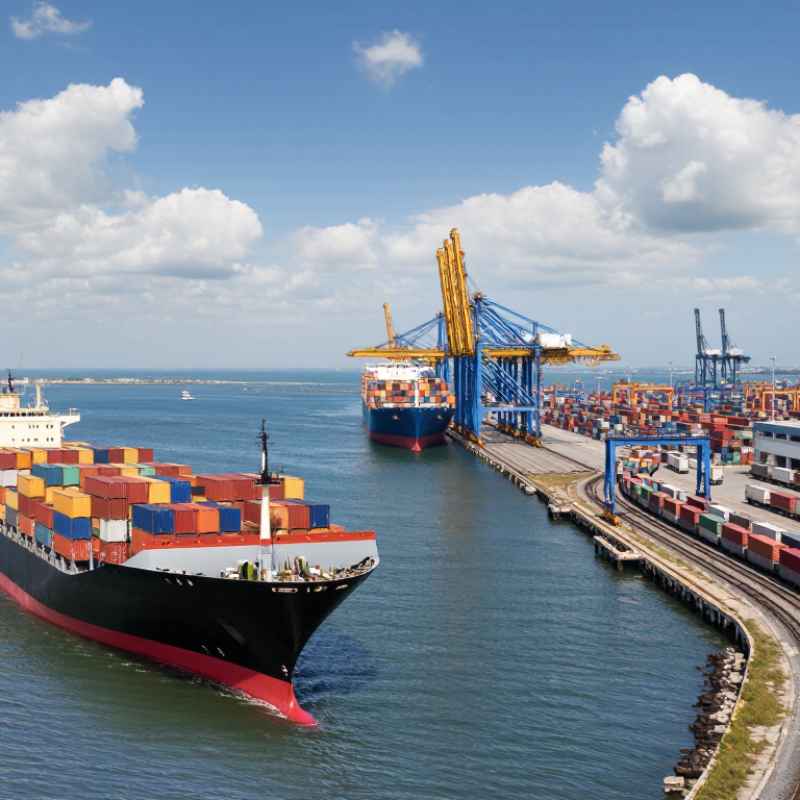
US–Brazil cargo shipping is the organized movement of commercial goods between the two countries. It usually combines ocean freight, air freight, trucking, customs clearance, and warehouse handling. Ocean services suit machinery, food ingredients, furniture, and other large shipments. Air services suit urgent, compact, or high-value cargo.
The trade lane is substantial. The U.S. Census Bureau recorded about 82 billion dollars in two-way goods trade between the countries in 2023. The UNCTAD Review of Maritime Transport 2024 reports that ships carry over 80% of global merchandise trade. This explains why containers remain central to US–Brazil logistics. A typical shipment begins with cargo classification, commercial invoices, packing details, and an agreed delivery term. The exporter then books space, prepares export filings, and delivers the cargo to a port or airport.
Brazilian customs authorities review import data, duties, product requirements, and supporting documents. On the U.S. side, export controls and filing rules also apply. The World Bank’s Logistics Performance Index 2023 highlights customs efficiency and shipment reliability as major logistics factors. Small document errors can create storage charges or missed connections. Delays still happen. Weather, port congestion, inspections, and incomplete descriptions can disrupt schedules. In practice, experienced shippers allow buffer time and verify tariff codes before cargo leaves the warehouse. That step sounds basic, but it is often overlooked.
What Types of Cargo Move Between the United States and Brazil?
Cargo moving between the United States and Brazil reflects both countries’ industries, farms, and consumer markets. From Brazil, vessels commonly carry coffee, soy products, meat, fruit, paper pulp, and selected minerals. These goods may travel in dry containers, refrigerated containers, or specialized bulk equipment.
From the United States, Brazil receives aircraft components, machinery, electronics, vehicles, auto parts, medical equipment, and processed foods. Manufacturers often ship production materials in sealed containers with moisture protection. Temperature-sensitive medicines and food products require monitored conditions, insulated packaging, and careful handling.
Container space matters.
Agricultural cargo needs strict documentation and inspection controls. Fresh fruit may require ventilation, while frozen meat needs a stable temperature throughout the voyage. Coffee beans can absorb nearby odors, so clean, dry containers are essential. These details seem minor, but they can affect quality at arrival.
Heavy machinery creates different challenges. Oversized equipment may need reinforced floors, lifting plans, and port approval. Industrial materials also require accurate classification and safety documents.
Cargo categories are not always tidy; one shipment may combine spare parts, tools, and delicate instruments. That makes packing decisions harder.
Shipping schedules also influence cargo choices. A delayed vessel can hurt fresh produce more than durable machinery. Weather, port congestion, and customs reviews may extend transit times. In my experience, early document checks prevent many avoidable delays, although no plan is perfect. Rates and requirements can change during the shipping process.
How Does the International Shipping Process Work?
International shipping between the United States and Brazil begins with accurate cargo details. The shipper records the goods, quantity, weight, dimensions, value, and final destination. This information helps determine the transport method, estimated cost, and required documents. Small errors can create large delays.
The cargo usually travels by ocean or air. Ocean freight suits heavier shipments and often costs less, while air freight moves urgent goods faster. A freight professional checks packaging, labeling, insurance, and customs requirements before pickup. The shipment then moves to an export facility, where documents and cargo details are reviewed. After departure, tracking updates show major stages, such as loading, transit, arrival, and port release.
Brazilian customs examines the shipment after arrival. Local duties, taxes, and handling charges may apply, depending on the cargo and its declared value. A licensed customs representative can submit documents and answer official questions. Delivery follows only after clearance and payment requirements are completed. Expect some uncertainty. Port congestion, weather, missing paperwork, or a corrected invoice can change the schedule. A careful shipper leaves extra time and keeps commercial invoices, packing lists, transport documents, and proof of value available. Clear communication matters throughout the process. unerquicklich
Which Documents and Customs Steps Are Required?
What Is US Brazil Cargo Shipping and How Does It Work?
Shipping cargo from the United States to Brazil involves transport planning, document checks, and customs clearance. The process may use ocean freight or air freight, depending on cargo size, urgency, and budget. Before booking, confirm the product description, value, weight, dimensions, country of origin, and correct tariff classification. A wrong code can delay release or change the taxes owed.
The core documents usually include a commercial invoice, packing list, and bill of lading or air waybill. Some products also require a certificate of origin, import license, inspection certificate, or special approval from Brazilian authorities. The exporter may need to submit electronic export information in the United States, depending on shipment value and classification. In Brazil, the importer or appointed customs representative normally files the import declaration and provides tax and registration details. Keep every document consistent. Even a small difference in quantity can trigger questions.
Customs officers review the cargo description, declared value, tariff code, and supporting records. Taxes and fees must be assessed before delivery, while restricted product categories may require extra controls. In practice, experienced shippers check requirements before the cargo leaves the warehouse. Still, mistakes happen. I would not rely on an old checklist, because rules and document requirements can change. Confirm current instructions with customs authorities or a qualified representative, especially when goods are regulated, technical, or unusually valuable.
US–Brazil Cargo Shipping: Typical Transit Time by Mode
The chart shows indicative planning midpoints for shipments moving from the United States to Brazil. Actual timing depends on the origin and destination ports, cargo type, customs review, carrier schedule, and inland delivery.
Typical planning ranges are approximately 1–5 days for air cargo, 20–35 days for full-container ocean freight, and 25–45 days for less-than-container-load ocean freight. Common documents include a commercial invoice, packing list, bill of lading or air waybill, import declaration, and a certificate of origin when preferential treatment or regulations require it. The usual customs sequence is document preparation, export clearance in the United States, transport, import declaration in Brazil, customs review and tax payment, release, and final delivery.
What Factors Affect Shipping Time and Cost?
US–Brazil cargo shipping usually combines ocean transport with inland trucking and customs clearance. The route may begin at a U.S. warehouse, move through a seaport, and arrive at a Brazilian port before final delivery. Ocean freight is economical for containers, but it is not always quick. UNCTAD’s Review of Maritime Transport 2024 reports that more than 80% of global merchandise trade by volume moves by sea. That scale also creates pressure during port disruptions.
Shipping time depends on the departure port, destination, transshipment needs, vessel schedules, weather, and customs processing. Direct sailings are generally more predictable than routes requiring a connection. Port congestion can add several days. Public holidays may create another delay. The World Bank’s 2023 Logistics Performance Index ranked Brazil 51st overall, showing why border procedures and inland logistics deserve close attention. Transit estimates still miss reality sometimes.
Cost is shaped by container size, cargo weight, fuel surcharges, handling fees, insurance, trucking distance, and exchange-rate changes. Oversized cargo usually requires special equipment and careful planning. Seasonal demand can also raise freight prices sharply. UNCTAD’s 2024 report links maritime disruptions with longer routes, higher fuel use, and rising transport costs. A low ocean quote may look attractive, but storage and detention charges can erase the saving. Check every charge, including destination fees, before booking.
FAQS
It is the organized movement of commercial goods between the United States and Brazil. It may combine ocean freight, air freight, trucking, customs clearance, and warehouse handling.
Ocean freight suits machinery, furniture, food ingredients, and other large shipments. Air freight suits urgent, compact, or high-value cargo. Cost and timing differ.
Provide the product description, quantity, weight, dimensions, value, origin, and destination. These details help determine transport options, estimated costs, and required documents. Small errors matter.
Common documents include a commercial invoice, packing list, and bill of lading or air waybill. Some goods may need an origin certificate, import license, inspection certificate, or special approval. Requirements can change.
Brazilian customs reviews the cargo description, declared value, tariff code, and supporting records. The importer or appointed customs representative usually submits the import declaration. Duties, taxes, and handling charges may apply before delivery.
Some shipments require electronic export information, depending on value, classification, and cargo details. Export rules should be checked before the goods leave the warehouse. Do not guess.
Transit time depends on the transport method, route, inspections, weather, and port conditions. Ocean freight usually takes longer than air freight. Schedules are not perfectly predictable.
Verify the tariff code, product description, invoice, packing list, and cargo measurements. Keep every document consistent, including quantities and declared values. Allow extra time. An old checklist can mislead.
Tracking usually shows major stages, including loading, transit, arrival, and port release. It may not display every warehouse or inspection event. Updates can pause during customs processing.
Conclusion
US Brazil cargo shipping refers to the organized movement of goods between the United States and Brazil by sea, air, or multimodal transport. It supports trade in products such as machinery, electronics, clothing, food products, raw materials, and other legally permitted commercial goods. The best transportation method depends on the cargo’s size, value, urgency, handling requirements, and destination.
The international shipping process usually includes booking transportation, preparing suitable packaging, arranging pickup, completing export procedures, and transporting the shipment across borders. Importers and exporters may need commercial invoices, packing lists, bills of lading or air waybills, certificates of origin, and product-specific permits. Customs authorities review the documentation, assess duties and taxes, and may inspect the cargo before release. Shipping time and cost are affected by the transport mode, shipment volume and weight, distance, seasonal demand, fuel prices, port conditions, customs processing, insurance, and inland delivery requirements. Careful planning and accurate paperwork can help reduce delays and unexpected expenses.