0%

Shipping goods from China to Miami involves more than booking space on a vessel. A reliable Miami ocean freight forwarder can coordinate pickup, export handling, ocean transport, and delivery arrangements. Each handoff matters. A missed document or unclear fee can disrupt a carefully planned shipment.

This guide introduces leading China ocean freight forwarders serving Miami and explains what businesses should compare before requesting a quote. Providers may handle shipments from ports such as Shanghai, Ningbo, or Shenzhen, but routing, transit times, and service options vary. Confirm the actual schedule for your cargo, rather than relying on a general estimate. Ask whether a price includes origin charges, ocean freight, destination fees, and final delivery. The details matter.

Experience should be visible in practical answers. Can the forwarder explain the difference between less-than-container-load and full-container-load shipping? Will they provide shipment updates and identify documents needed for lawful, accurately declared cargo? Look for clear communication, itemized pricing, suitable cargo coverage, and a named contact. These are useful signs, not guarantees.

A low quote can look reassuring until additional charges appear. Even careful planning cannot remove every delay; port congestion, weather, and schedule changes remain possible. I would treat promised transit times cautiously and ask how exceptions are handled. This overview offers a starting point, not a substitute for checking current service terms and shipment details directly with each provider.
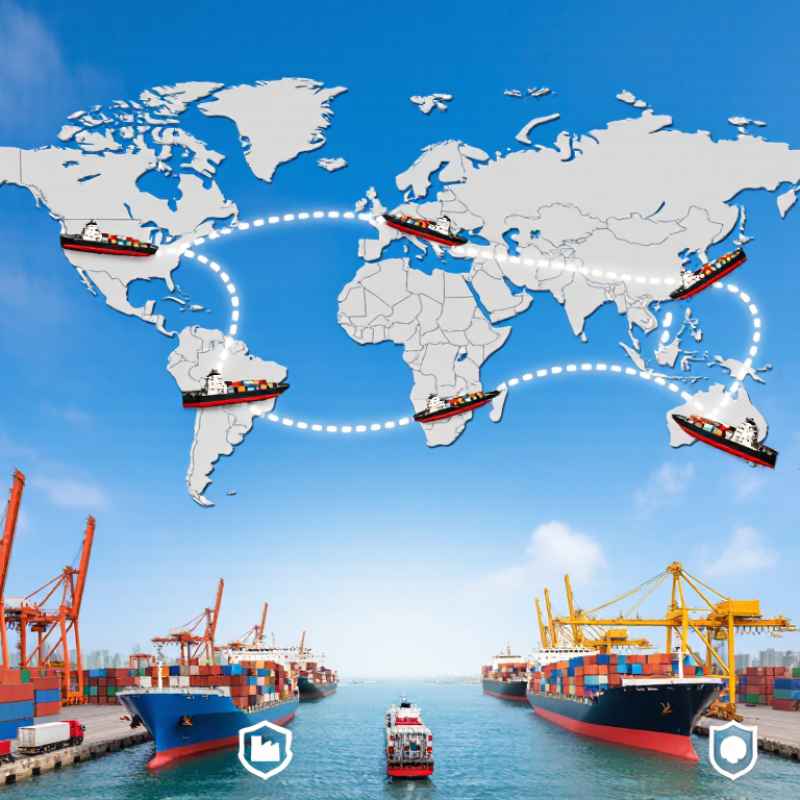
Top China Ocean Freight Forwarders to Miami Shipping

China-to-Miami Ocean Freight: Routes, Transit Times, and Key Basics

Shipping from China to Miami usually begins at major ports such as Shanghai, Ningbo, or Shenzhen. Vessels may cross the Pacific and pass through the Panama Canal, while some services use transshipment hubs. The exact route depends on the carrier’s sailing schedule and available space. Schedules move.

Port-to-port transit often takes about 25 to 40 days, but this is an estimate, not a promise. Weather, port congestion, canal delays, and vessel changes can add time. Ask whether a quoted transit period starts at vessel departure or includes inland pickup and delivery. That detail matters.

Full container load (FCL) suits larger shipments, while less than container load (LCL) shares space with other cargo. LCL can take longer because consolidation and deconsolidation add handling steps. Allow extra time for customs processing, terminal release, and truck delivery after arrival in Miami. Keep invoices and packing details accurate, and confirm who handles each handoff. A tidy schedule can still mislead; build in a buffer.

How Freight Forwarders Coordinate Ocean Shipments from China to Miami

Top China Ocean Freight Forwarders to Miami Shipping

Coordinating ocean freight from China to Miami starts with accurate cargo details. A forwarder needs the shipment’s dimensions, weight, pickup address, and ready date before comparing vessel schedules. Small measurement errors can affect container planning and charges. It happens. The forwarder then arranges pickup, export handling, and a booking that matches the cargo’s timing and service needs. Some routes include a transfer at another port, so the quoted transit time is an estimate, not a guaranteed arrival date.

Clear updates matter after the vessel departs. The forwarder tracks schedule changes, shares shipping documents, and coordinates arrival procedures with the importer and destination service providers. At PortMiami, cargo release depends on completed documentation and applicable clearance steps. The forwarder can help organize the handoff, but the importer should review shipment details and respond promptly to requests. A missed email can delay delivery. Inland trucking should be booked with enough flexibility for port availability and changing vessel schedules.

Tips: Confirm cargo measurements before booking. Ask what the quoted transit time includes, and request updates when the vessel schedule changes. Keep a little time in reserve; plans are not always exact.

Services Offered by Leading China-to-Miami Ocean Freight Forwarders

Top China Ocean Freight Forwarders to Miami Shipping

Leading China-to-Miami ocean freight forwarders offer more than basic vessel bookings. They coordinate cargo pickup, export documentation, container loading, and port delivery. Shippers can choose full container load or less-than-container load services. Consolidation helps smaller shipments control transportation costs. Details matter. A forwarder should explain sailing frequency, transit estimates, cut-off dates, and destination charges before booking.

Professional providers also manage customs paperwork and communicate document requirements clearly. Commercial invoices, packing lists, bills of lading, and product details must match. One incorrect quantity can delay release or create extra handling work. Experienced teams review these details before the container leaves China. They may also arrange cargo insurance, warehouse storage, container drayage, and final delivery within the Miami area.

Visibility is another important service. Reliable forwarders provide milestone updates from factory pickup to port arrival. Some offer online tracking, while others use email reports and direct contacts. In practice, no schedule is perfect. Weather, port congestion, inspections, and equipment shortages can change arrival times. A useful forwarder explains these risks instead of promising certainty. They should also clarify free-time limits, demurrage exposure, and who handles unexpected charges. I would still request written terms, because verbal assurances can become unclear when a shipment is delayed.

Top China Ocean Freight Forwarders to Miami Shipping - Services Offered by Leading China-to-Miami Ocean Freight Forwarders

Service Dimension Typical Service Offered Typical Operational Details Important Considerations
Full Container Load (FCL) Dedicated 20-foot, 40-foot, or 40-foot high-cube container shipping Suitable for larger or container-volume shipments; cargo generally remains in one container during the main ocean leg Container availability, equipment type, peak-season space, and port congestion can affect pricing and schedules
Less-than-Container Load (LCL) Consolidated ocean freight for shipments that do not fill a container Cargo is combined with other shipments at a consolidation warehouse and deconsolidated before final delivery Usually priced by chargeable volume or weight; additional handling may increase transit time and cost
Port-to-Port Transportation Ocean movement from a Chinese export port to a South Florida gateway Common routing includes major Chinese container ports and Miami-area gateways such as PortMiami or Port Everglades The quoted scope may exclude origin trucking, destination charges, customs fees, and final-mile delivery
Door-to-Door Shipping Coordinated pickup in China, ocean transport, customs clearance, and delivery to a Miami-area address One logistics plan covers multiple transport stages, often including trucking and warehouse handling Confirm whether duties, taxes, unloading, appointment fees, and residential or liftgate services are included
Estimated Ocean Transit Scheduled ocean transit planning between China and South Florida Port-to-port transit commonly falls within approximately 25–40 days, depending on origin, routing, transshipment, and sailing schedule Total door-to-door time is longer because it includes cargo preparation, inland transport, customs, terminal handling, and final delivery
Export Documentation Preparation and review of commercial invoices, packing lists, shipping instructions, and bills of lading Documents support cargo booking, export processing, transport, customs entry, and cargo release Product descriptions, quantities, values, weights, and consignee details should be accurate and consistent
U.S. Customs Coordination Customs-entry coordination through a licensed customs broker May include tariff classification support, entry filing, duty estimation, and communication with customs authorities The importer of record remains responsible for compliant classification, valuation, admissibility, and payment obligations
Origin Pickup and Drayage Factory pickup, container trucking, and delivery to the export terminal in China Can include cargo loading coordination, container appointment management, and terminal cutoff planning Pickup location, cargo readiness, container weight, road distance, and local restrictions influence the charge
Miami-Area Drayage and Final Delivery Container pickup from the destination terminal and delivery to a warehouse, distribution center, or business address May include appointment scheduling, chassis coordination, unloading, and empty-container return Storage, demurrage, detention, waiting time, tolls, and special delivery requirements may be billed separately
Warehousing and Distribution Short-term storage, cargo receiving, palletizing, labeling, order preparation, and regional distribution Useful when importers need inventory buffering before delivery to stores, customers, or fulfillment facilities Ask about warehouse location, operating hours, security, handling rates, minimum storage periods, and inventory systems
Cargo Insurance Optional marine cargo insurance arranged according to shipment value and risk profile Coverage may address specified transit risks, subject to policy terms, exclusions, deductibles, and claim procedures Carrier liability is generally limited; review coverage, insured value, exclusions, and claim deadlines before shipment
Shipment Tracking Status updates for booking confirmation, vessel departure, transshipment, arrival, customs, and delivery Tracking commonly relies on booking references, container numbers, bills of lading, and carrier milestone data Tracking visibility can vary by carrier, route, terminal, and the quality of data integration
Special Cargo Handling Support for oversized, temperature-sensitive, fragile, or regulated cargo May require specialized equipment, additional declarations, packaging standards, permits, or carrier approval Provide accurate cargo specifications and safety information before booking; dangerous goods require compliant documentation and handling
Rate and Surcharge Management Freight quotations covering ocean freight and applicable origin or destination charges Quotes may include base freight, terminal handling, documentation, fuel-related charges, security fees, and inland transportation Compare the same shipment scope, validity period, free-time allowance, currency, and included services when evaluating quotes

Note: Transit times, capacity, rates, port charges, customs requirements, and service availability vary by shipment details, sailing schedule, season, and regulatory conditions.

How to Evaluate Forwarders for Pricing, Reliability, and Customs Support

Top China Ocean Freight Forwarders to Miami Shipping

Compare quotes on the same shipment details: cargo dimensions, gross weight, pickup location, and delivery address. Ask whether the rate includes origin handling, ocean freight, destination charges, and delivery to Miami. A low headline price can hide costly exclusions. Request a written breakdown, plus the quote’s validity dates and any surcharge conditions.

Check reliability with shipment-level evidence, not promises. Sea-Intelligence’s Global Liner Performance report put global schedule reliability at 55.8% in May 2024. That figure is not a prediction for any specific China–Miami route, but it shows why sailing schedules need scrutiny. Ask for recent transit-time ranges, port-call options, and a clear process for delay updates. The World Bank’s Logistics Performance Index 2023 evaluates customs efficiency alongside tracking and timeliness; use those same areas when reviewing a forwarder’s service. Can they provide milestone scans and explain who handles exceptions? Details matter.

For customs support, confirm who prepares and checks the shipment documents, and when your team must provide product descriptions and valuation details. Ask how the forwarder coordinates with the customs broker and who contacts you if information is missing. Get responsibilities in writing. Then test the communication before booking: send a practical question and note how clearly it is answered. It is not a perfect test, but vague replies now rarely become clearer at the port.

Top China Ocean Freight Forwarders to Miami: Evaluate Pricing, Reliability, and Customs Support

A practical customs-support benchmark for U.S.-bound ocean shipments

U.S. Importer Security Filing (ISF) requirements include 10 importer-provided data elements and 2 carrier-provided elements. The filing is generally due at least 24 hours before cargo is laden aboard a vessel bound for the United States. When evaluating a forwarder, ask who handles each filing and how deadlines are tracked. Compare itemized quotes and request lane-specific records when assessing pricing and reliability; rates and transit performance vary by shipment.

Choosing a Forwarder and Preparing Your Shipment for Miami Delivery

Choosing a China-to-Miami ocean freight forwarder starts with clear questions, not the lowest quote. Ask what the price includes: origin pickup, export handling, ocean transport, destination charges, and delivery to your address. Confirm whether the estimate covers port-to-port or door-to-door service. These terms affect both cost and responsibility. Request a written schedule with estimated sailing and arrival dates, while allowing for delays at sea or in port. A reliable forwarder should explain tracking updates, cargo insurance options, and how destination fees are calculated. A low quote can look appealing, but missing charges may change the real cost.

Tips: Measure each carton and record its gross weight. Use sturdy boxes, secure pallets, and readable labels showing the consignee’s details. Send accurate packing information before booking.

Prepare the documents and delivery details early. Check that the commercial invoice and packing list match the cargo description, quantities, and values. Give the forwarder a complete Miami delivery address, contact number, and any receiving-hour restrictions. For warehouse delivery, confirm whether appointments, liftgate service, or special unloading equipment are needed. Keep copies of all shipping records. It is easy to focus on ocean transit and overlook the final few miles; that part deserves a second check. Ask who will contact you if customs review or port congestion changes the plan. Estimates help, but they are not guarantees.

FAQS

What details should I provide before booking ocean freight from China to Miami?

Send the cargo dimensions, gross weight, pickup address, and ready date. Check measurements carefully; small errors can affect container planning and charges.

Should I choose full container or less-than-container shipping?

Full container load suits cargo using a whole container. Less-than-container load combines smaller shipments, which may help control costs. Ask about consolidation timing.

Is the quoted ocean transit time guaranteed?

No. Routes may include port transfers, and weather or congestion can change schedules. Treat arrival dates as estimates. Plans shift.

Which shipping documents need to match?

Check that the commercial invoice, packing list, cargo description, quantities, and values agree. One incorrect quantity can delay release.

What services can a freight forwarder coordinate?

Services may include pickup, export handling, vessel booking, document coordination, tracking, storage, insurance options, and final delivery around Miami.

How can I compare freight quotes fairly?

Ask whether the quote includes pickup, export handling, ocean transport, destination charges, and delivery. Confirm if it is port-to-port or door-to-door.

What should I prepare for delivery in Miami?

Provide the complete address, contact number, and receiving hours. Confirm whether the site needs an appointment, liftgate, or special unloading equipment.

What can delay cargo after the vessel arrives?

Documentation checks, port congestion, and changing schedules may affect release or trucking. Keep records handy and respond quickly to requests. A missed email matters.

Conclusion

Shipping ocean freight from China to Miami involves choosing a suitable route, understanding estimated transit times, and planning around port schedules and cargo requirements. A Miami ocean freight forwarder can coordinate space with carriers, arrange pickup and export documentation, track the shipment, and help manage the handoff for delivery in Miami. Depending on shipment size and timing, services may include full-container or shared-container shipping, cargo consolidation, insurance options, and door-to-door coordination.

When comparing forwarders, review the full pricing breakdown, communication practices, experience with the China-to-Miami route, and the customs support they provide. Ask how charges, schedules, and possible delays are handled, and confirm what documents and shipment details are needed before booking. Once you select a forwarder, prepare accurate cargo information, packaging, and delivery instructions in advance. Clear planning helps reduce avoidable delays and makes it easier to coordinate the shipment from origin through arrival and final delivery.

Ethan

Ethan

Ethan is a professional marketing specialist who brings a strong understanding of the company’s products and the needs of its customers. He works closely with product and service teams to turn detailed knowledge into clear, practical information, helping readers understand product features,......