Integrated Equipment & Global Freight Services
Explore our specialized freight handling machinery, logistics infrastructure, and international LCL/FCL shipping capabilities tailored for the Doha trade lane.
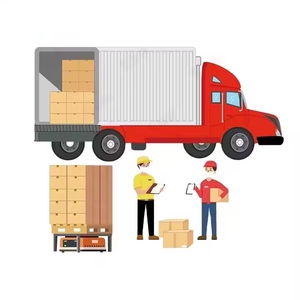
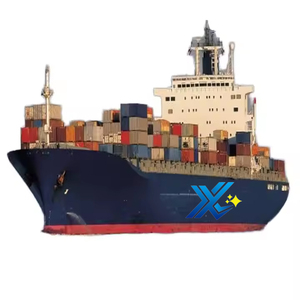

Architectural Excellence in Global-to-Doha LCL Freight Consolidation
An in-depth operational framework examining Container Freight Station (CFS) workflows, volumetric payload optimization, and local Qatari customs clearance protocols.
Multi-Vendor CFS Pooling
Consolidate cargo from hundreds of origin factories into unified, high-density LCL containers across major East Asian ports (Shenzhen, Ningbo, Shanghai) targeted directly for Doha.
Direct Hamad Port Sailings
Bypass multi-port transshipment delays. Our direct LCL console lines reduce transit variability down to 18–22 days, avoiding regional hub bottlenecks.
Single-Window Customs Desk
Complete pre-clearance auditing via Qatar’s Bayan portal, ensuring full alignment with QGOS (Qatar General Organization for Standardization) requirements before arrival.
1. The Mechanics of Less-than-Container-Load (LCL) Engineering
In international logistics, Less than Container Load (LCL) freight consolidation is not merely a shipping method; it is a sophisticated mathematical and spatial optimization discipline. For enterprises importing into Doha, Qatar, buying small-to-medium volumes from dispersed manufacturing facilities across China, Europe, or North America presents an economic dilemma: paying for unutilized full-container capacity (FCL) or suffering inflated air freight expenditures.
Modern consolidation factories resolve this through high-capacity Container Freight Stations (CFS). At our consolidation hubs in key export zones (such as Yiwu, Shenzhen, Ningbo, and Guangzhou), individual shipments are received, barcoded, weighed, and scanned using 3D volumetric laser systems. By calculating cargo density ratios and structural load-bearing parameters, our warehouse engineers utilize advanced 3D container packing algorithms to optimize every cubic meter (CBM) of space.
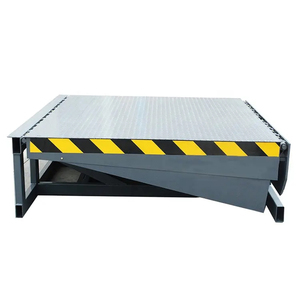
- CBM & Density Balancing: Pairing high-density industrial hardware or fixed hydraulic ramps with low-density commercial products to maximize both payload weight limits and cubic capacity.
- Cargo Segregation Protocols: Enforcing strict IMDG (International Maritime Dangerous Goods) separation rules to prevent cross-contamination between industrial liquids, electronics, and general merchandise.
- Protective Packaging & Moisture Shielding: Applying industrial-grade shrink wrapping, anti-humidity desiccant packs, and heavy-duty wooden crating to combat thermal fluctuations during passage through the Strait of Malacca, Indian Ocean, and Arabian Gulf.
2. Strategic Port Logistics: Navigating Doha’s Maritime Gateway (Hamad Port)
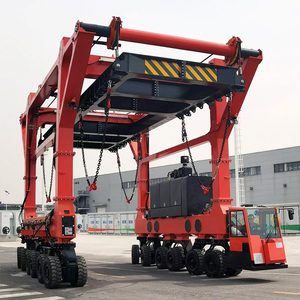
Doha's logistics landscape has undergone a radical transformation with the commissioning of Hamad Port in Umm Al Houl. Featuring state-of-the-art container terminals, automated rubber-tyred gantry (RTG) cranes, and deep-water berths capable of handling ultra-large container vessels (ULCVs), Hamad Port serves as the premier entry point for Qatar Vision 2030 national infrastructure investments.
When LCL consolidation containers arrive at Hamad Port, speed of de-consolidation is paramount. Traditional logistics routes often funnel Qatar-bound cargo through regional transshipment hubs like Jebel Ali (Dubai) or Salalah (Oman), introducing double-handling risks, potential port congestion delays, and additional feeder freight fees. Our dedicated LCL service operates on direct ocean loops. Upon discharge at Hamad Port, consolidated boxes move immediately to designated bonded warehouse facilities within the port zone or adjacent Free Zones (Ras Bufontas and Um Alhoul), reducing terminal dwell time from the industry average of 9 days down to less than 72 hours.
3. LCL vs. Alternative Freight Modes: Operational Decision Matrix
To assist Qatari procurement managers, site project supervisors, and global supply chain directors in evaluating trade-offs, the following visualization outlines key performance metrics across maritime and air transportation options into Doha:
| Freight Execution Mode | Min. Volume Threshold | Average Transit Time | Cost Index (per CBM) | Doha Local Compliance Risk | Recommended Use Case |
|---|---|---|---|---|---|
| LCL Consolidation (Direct) | 1.0 CBM | 18 – 22 Days | Optimal / Low | Low (Pre-audited CFS) | Multi-vendor sourcing, regular stock replenishment, hardware & machinery parts. |
| Full Container Load (FCL) | 15.0 CBM (20' GP) | 18 – 20 Days | Medium (Fixed Box Rate) | Low (Dedicated Seal) | High-volume industrial machinery, construction raw materials, bulk inventory. |
| LCL via Transshipment Hub | 1.0 CBM | 28 – 35 Days | Medium (Hidden Hub Fees) | Moderate (Multi-handled) | Non-urgent merchandise where lowest upfront ocean freight rate is prioritized. |
| Priority Air Freight | 45.0 KG | 3 – 5 Days | High (Premium Rate) | Very Low (Airport CFS) | Critical project spares, medical supplies, high-value electronics, emergency samples. |
Emerging Trends in Qatar’s Freight & Import Ecosystem
How National Vision 2030, Free Zone Expansion, and Digital Customs Frameworks are Reshaping Doha Logistics.
The Rise of Ras Bufontas & Um Alhoul Special Economic Zones
Qatar’s economic diversification drive has expanded specialized logistics infrastructure beyond traditional industrial zones. The establishment of Ras Bufontas Free Zone (adjacent to Hamad International Airport) and Um Alhoul Free Zone (neighboring Hamad Port) has created unprecedented demand for agile supply chain solutions.
Companies establishing light manufacturing, assembly, and distribution entities within these free zones require seamless inbound LCL cargo streams. Consolidated containers can be routed directly under bonded customs status from Hamad Port into free zone warehouses without immediate payment of customs duties. This operational framework drastically optimizes working capital for international businesses operating in Doha.
Stringent Quality Standards & Customs Verification
Importers must navigate Qatar's meticulous customs landscape. The Ministry of Commerce and Industry (MOCI) alongside the Qatar General Organization for Standardization (QGOS) enforce strict compliance checks. Key regulatory checkpoints include:
- Certificate of Conformity (CoC): Mandatory for regulated goods, proving compliance with Qatari National Standards (QS) or Gulf Standardization Organization (GSO) rules.
- Non-Falsifiable Country of Origin Labels: Every item within an LCL consolidated shipment must carry clear, indelible origin markings ("Made in China", "Made in USA", etc.) directly engraved or affixed to the product and outer carton.
- Bayan Customs Portal Integration: Manifests, commercial invoices, packing lists, and bills of lading must be digitized and uploaded prior to vessel berth to prevent demurrage.
Zero-Defect LCL Quality Mandate
Our specialized origin CFS factories incorporate pre-shipment inspections into the consolidation routine. By catching packaging defects, mislabeled HS codes, or missing country-of-origin tags before cargo enters the container, we guarantee 100% compliance with Doha port entry regulations.
Why Procurement Leaders Partner with Our Logistics Desk
Built on decades of hands-on freight operations, founder-led accountability, and an unyielding commitment to supply chain transparency.
Founder-Led Oversight
Every account is personally backed by executive leadership with over 20 combined years in international logistics. You communicate directly with decision-makers who manage your cargo step-by-step.
1 Business Day Response SLA
Inquiries are never swallowed by automated call centers or ticketing queues. We guarantee detailed routing proposals, volume quotes, and schedule options within 24 business hours.
Transparent Tariff Structure
Say goodbye to predatory destination fees. Our all-inclusive LCL cost breakdown clearly outlines freight charges, origin handling, CFS fees, and Doha port discharge costs upfront.
"Our Family Name Rides with Every Container"
Logistics is fundamentally about personal responsibility. When managing LCL freight consolidation into high-stakes markets like Doha, having an executive team that monitors container stuffing, bill of lading releases, and port customs clearance makes the difference between supply chain excellence and operational downtime.
Frequently Asked Questions: Shipping LCL to Doha
Essential guidance for procurement teams, logistics managers, and business owners importing consolidated cargo into Qatar.