Specialized Fleet & Hazmat Logistics Capabilities
Deploying engineered equipment, certified ISO tanks, and heavy-duty port terminal carriers for compliant hazardous substance transport across Greater Bangkok and global trade corridors.
1. Executive Summary: Navigating Hazardous Cargo Logistics in Bangkok
Managing the transport of Dangerous Goods (DG) and hazardous materials (Hazmat) into, out of, and across Greater Bangkok demands far more than basic freight forwarding. As the economic engine of Thailand and the primary industrial gateway for Southeast Asia’s Eastern Economic Corridor (EEC), Bangkok operates under a stringent dual framework of international maritime protocols (IMDG Code), aviation standards (ICAO/IATA DGR), and complex local statutory regulations enforced by the Department of Industrial Works (DIW), the Port Authority of Thailand (PAT), and the Thai Customs Department.
Procuring reliable Hazmat cargo shipping suppliers in Bangkok requires an in-depth understanding of localized infrastructure—such as draft limitations at Klong Toey Port (Bangkok Port), specialized terminal storage protocols at Laem Chabang Deep Sea Port, and strict chemical handling regulations at Suvarnabhumi Airport (BKK). Selecting an unqualified supplier introduces severe operational risks, including catastrophic cargo rejection, heavy statutory fines under the Hazardous Substance Act B.E. 2535, port demurrage spikes, and environmental contamination liabilities. This whitepaper establishes an authoritative operational framework for chemical manufacturers, global procurement executives, and industrial importers seeking verified, compliant, and highly secure Hazmat logistics solutions across Bangkok.
2. Classification Framework & Handling Protocols for UN Classes 1 to 9
Hazmat logistics mandates strict segregation, specialized UN-rated packaging, exact hazard labeling, and accurate Safety Data Sheet (SDS) translations. Our operational framework in Bangkok strictly adheres to the UN Recommendations on the Transport of Dangerous Goods, governing nine distinct hazard classes:
Class 2 & Class 3: Gases & Flammable Liquids
Covering compressed, liquefied, or dissolved gases (UN 1075, UN 1950) and high-volatility flammable solvents (UN 1263, UN 1993). Requires certified ISO tanks, specialized vapor recovery systems, and explosion-proof transport vehicles equipped with GPS monitoring.
Class 4 & Class 5: Reactive Solvents & Organic Peroxides
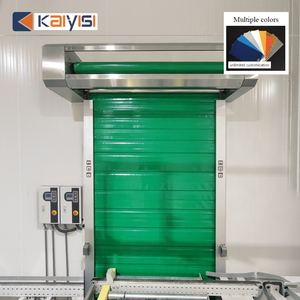
Encompasses flammable solids, self-reactive substances, and organic peroxides (UN 3105). Demands continuous reefer temperature monitoring, specialized thermal insulation doors, and immediate emergency spill containment gear during transit.
Class 6 & Class 8: Toxics & Corrosive Substances
Covers industrial acids, alkalis, and toxic materials (UN 1830, UN 2024). Mandatory neutralization kits, secondary containment barriers, chemical-resistant linings, and protective personal equipment (PPE) for all transport personnel are enforced.
Class 9: Lithium Batteries & EV Tech
Covers UN 3480 and UN 3481 Lithium-ion batteries driving Greater Bangkok's rapidly expanding Electric Vehicle (EV) assembly plants. Demands strict thermal runaway protection, UN-certified outer packaging, and specialized state-of-charge (SoC) management.
3. Comparative Matrix: Modes of Hazmat Transport in Bangkok
Selecting the optimal transport mode requires balancing transit velocity, volumetric risk, and regulatory overhead. The matrix below outlines operational parameters across ocean, air, and cross-border road modes servicing the Bangkok industrial basin.
| Transport Mode | Primary Gateway | Target UN Classes | Regulatory Clearance Lead Time | Specialized Equipment Required |
|---|---|---|---|---|
| Ocean FCL / ISO Tank | Laem Chabang Port / Bangkok Port (Klong Toey) | Class 2, 3, 4, 5, 6, 8, 9 | 48 - 72 Hours (Pre-arrival DIW permit) | IMO Type 1/4/5 ISO Tanks, UN-lined Reefers |
| Ocean LCL Consolidation | Laem Chabang Specialized DG Hub | Class 3 (Flashpoint >60°C), Class 8, 9 | 72 Hours (Strict compatibility audit) | Segregated DG Containers, Moisture Barriers |
| Priority Air Freight | Suvarnabhumi Airport (BKK Cargo Hub) | Class 3 (Limited), Class 6, 7, 9 | 12 - 24 Hours (ICAO/IATA DGR check) | UN Certified Fiberboard, Temperature Loggers |
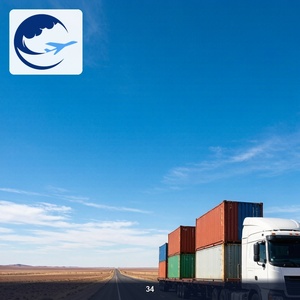
| Cross-Border Road Trucking | Cross-Border Customs Checkpoints (TIR Convention) | Class 2, 3, 6, 8, 9 | 24 - 48 Hours (Multi-border licenses) | ADR-Compliant GPS Vans, Spill Control Trailers |
4. Regulatory Landscape & Localized Compliance Matrix in Thailand
Navigating the statutory regulatory landscape in Thailand demands deep local intelligence and active coordination with multiple government ministries. The primary regulatory governing framework is the Hazardous Substance Act B.E. 2535 (1992) and its subsequent amendments, which categorizes chemical substances into four distinct control types based on toxicity, flashpoint, and environmental impact:
- Type 1 Hazardous Substances: Requires strict adherence to declared manufacturing, import, and transport rules without formal license registration.
- Type 2 Hazardous Substances: Mandates prior notification to the Department of Industrial Works (DIW) and official receipt of declaration before movement.
- Type 3 Hazardous Substances: Demands formal permit authorization from the DIW, rigorous facility audits, and specialized transport licenses for every individual import/export consignment.
- Type 4 Hazardous Substances: Absolute prohibition from production, import, export, or transit through Thai territory due to severe safety risks.
In addition to DIW oversight, clearance through the Port Authority of Thailand (PAT) at Klong Toey or the JWD Dangerous Goods Port Warehouse at Laem Chabang requires advance dangerous goods declarations (DG Manifests) filed at least 48 hours prior to vessel berthing. Failure to provide accurate UN numbers, CAS registry numbers, and 16-section Safety Data Sheets (SDS) in both English and Thai can result in immediate container quarantine, port storage penalties, or vessel rejection.
5. Infrastructure & Specialized Handling Capabilities in Greater Bangkok
Modern Hazmat supply networks in Bangkok rely on cutting-edge infrastructure to handle complex logistics scenarios. The region’s tropical climate—characterized by elevated humidity and high ambient temperatures—presents severe challenges for thermally sensitive chemicals and organic peroxides. Specialized supply infrastructure must incorporate:
Explosion-Proof Warehousing
Equipped with automatic thermal insulation PVC high-speed doors, foam deluge suppression systems, continuous VOC monitoring, and floor drainage sumps to contain chemical spills.
ISO Tank Depot & Refurbishment
Full-service ISO tank washing, pressure testing, vacuum testing, and periodic 2.5/5-year recertification facilities located strategically near Map Ta Phut and Laem Chabang.
Cold Chain Reagent Logistics
Active temperature-controlled transport units designed to maintain continuous ranges from -20°C to +4°C for pharmaceutical chemicals, biological samples, and specialized resins.
6. Strategic Checklist for Bangkok Hazmat Procurement Officers
To eliminate operational bottlenecks and mitigate regulatory exposure when importing or exporting hazardous materials through Thailand, procurement officers must validate the following compliance parameters before executing contracts:
| Audit Step | Required Documentation / Verification | Responsible Thai Regulatory Authority | Risk Mitigation Impact |
|---|---|---|---|
| 1. Chemical Classification | GHS Compliant 16-Section SDS (English & Thai) | Department of Industrial Works (DIW) | Prevents incorrect UN hazard classification & customs seizures. |
| 2. Import Permit Auditing | DIW Hazardous Substance License (Type 2/3) | Ministry of Industry / Thai FDA | Eliminates heavy fines and port container quarantine. |
| 3. Packaging Certification | UN Specification Packaging Certificate | Marine Dept / Port Authority of Thailand | Ensures structural integrity during sea transit & port handling. |
| 4. Transport Fleet Audit | Licensed DG Driver Permit & GPS Real-Time Feed | Department of Land Transport (DLT) | Guarantees active emergency response during road transport. |
| 5. Customs DG Clearance | e-Customs Hazmat Tariff & Duty Filing | Thai Customs Department | Prevents demurrages at Laem Chabang & Suvarnabhumi BKK. |
7. Industry Growth Trends: The Shift Toward Green & Digital Hazmat Supply
The hazardous material supply chain in Thailand is undergoing a profound structural evolution driven by the development of the Eastern Economic Corridor (EEC) and regional sustainability mandates. Key trends shaping the future of Bangkok’s Hazmat ecosystem include:
Accelerated Electric Vehicle (EV) Supply Chains: Thailand’s ambition to become Southeast Asia's primary EV production hub has led to an unprecedented surge in UN 3480 Lithium-ion battery imports. Managing these shipments requires specialized fire-suppression transport containers, strict state-of-charge (SoC) management during transit, and certified hazardous waste recycling pathways for defective modules.
Digitalization & Real-Time Telematics: Leading Bangkok Hazmat suppliers are integrating IoT sensors into ISO tanks and reefer containers. Procurement managers now demand real-time visibility into internal tank pressure, ambient temperature, humidity, and precise GPS location tracking to ensure zero thermal excursions throughout the supply chain.
Decarbonization of Chemical Freight: Chemical manufacturers operating in the Map Ta Phut and Eastern Seaboard industrial zones are increasingly selecting suppliers with eco-friendly Euro 5/6 transport fleets, optimized multimodal rail linkages, and consolidated LCL solutions to reduce overall Scope 3 carbon emissions.
8. Enterprise Advantages: Why Partner with Our Global Network
Building on over two decades of international freight forwarding excellence—established under the foundational leadership of industry veterans Marcus Vinícius Soares and Marco Junior—our global logistics network bridges complex international trade lanes with deeply localized execution across Bangkok and Southeast Asia.
Direct Founder Accountability
Every complex Hazmat shipment is overseen directly by senior logistics leaders, ensuring rapid decision-making, zero bureaucratic delay, and custom operational planning tailored to your exact chemical profile.
Trilingual Regulatory Expertise
Our operational desk communicates seamlessly in English, Spanish, and Portuguese, working alongside certified local Thai customs brokers to bridge international buyers with Thai government agencies.
End-to-End Multimodal Control
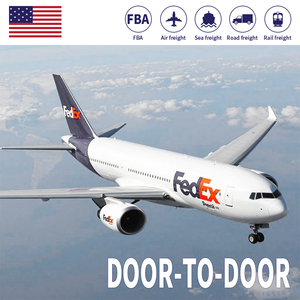
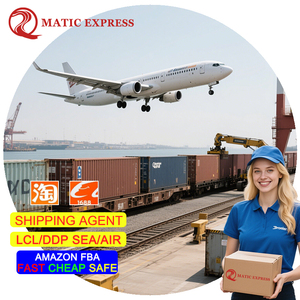
From factory pickup to ocean FCL, priority air cargo, customs clearance, and final door-to-door delivery, we manage every handoff under a single accountable Bill of Lading.
9. Bangkok Buyer Frequently Asked Questions (FAQ)
What documentation is required to import Hazmat chemical cargo through Port of Bangkok or Laem Chabang?
Can all classes of Dangerous Goods be cleared at Klong Toey (Bangkok Port)?
How are temperature-sensitive dangerous goods handled during tropical transit in Thailand?
What is the lead time for obtaining a DIW hazardous substance import permit in Thailand?
Do you provide specialized ISO tank transport from Laem Chabang to industrial estates in Map Ta Phut?
Streamline Your Hazmat Logistics in Bangkok Today
Partner with certified dangerous goods specialists who prioritize regulatory compliance, operational safety, and direct founder accountability. Request our comprehensive catalog and technical specifications now.
Get Catalog