Catalog of Core Cargo & Fulfillment Capabilities
Verified international logistics programs engineered for high-density trade routes connecting key manufacturing hubs to Chilean commercial zones.
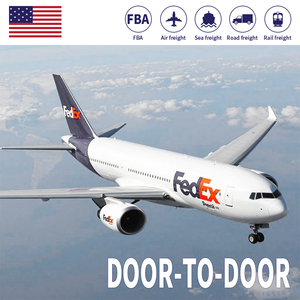
Road Freight Forwarding FedEx Transportation From China to World / US Door-to-Door Express Air Freight
Contact Us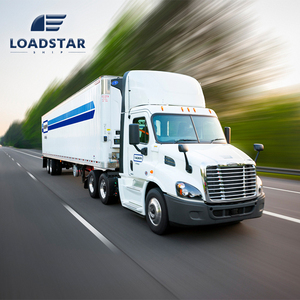
Silk Road Freight Trucking 50% Cheaper Than Air Weekly International Express Departures
Contact Us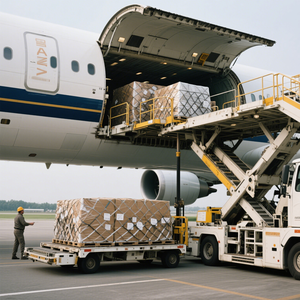
Charter Flight Solutions for Project Cargo DDP Shipping EU FBA Warehouses Trucking Express 7-11 Days
Contact Us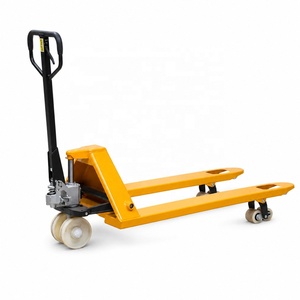
Hydraulic Pallet Truck BF 3500kg for Port Terminal Cargo Handling Heavy Duty Material Transport
Contact Us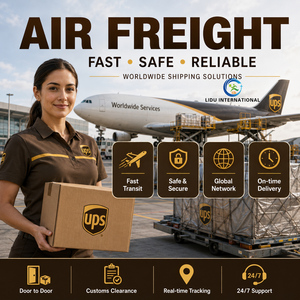
Freight Cargo Door To Door Forward Supplier Air Shipping Logistics Service Consolidation Rates Export Cargo
Contact Us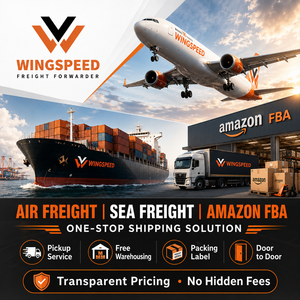
Quality Inspection Shopify, TK Dropshipping Agent Shipping Forwarder With Global Fulfillment Warehouse
Contact Us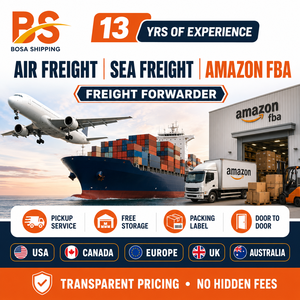
Forwarder Shipping DDP Sea Freight LCL Container Shipping For Bulk Pallets Heavy Cargo Warehouses
Contact Us
Cheapest Logistics Shipping Rates Courier Express Service To Door Sea & Air Cargo Freight Forwarder
Contact UsChilean Trade Lane Capability Metrics
Quantifiable infrastructure and hands-on founder management ensuring frictionless customs entries and optimized transit timelines.
Optimizing Cross-Border Supply Chains to Chile
An in-depth operational analysis of customs frameworks, port bottlenecks, and direct-to-destination fulfillment architectures across the Republic of Chile.
Port Dynamics: San Antonio & Valparaíso
Navigating Chile's primary maritime gateways requires precise booking synchronization. Port of San Antonio (Puerto San Antonio - STI/PCE) handles over 60% of containerized throughput, while Valparaíso (TPS) focuses on fast-track container logistics. Partnering with a forwarder that pre-clears DIN (Declaración Directa e Ingreso) documentation minimizes costly port demurrage and storage penalties.
China-Chile & US-Chile FTA Maximization
Chile maintains one of the world's most extensive networks of Free Trade Agreements. Leveraging the China-Chile FTA via valid Form F Certificates of Origin allows qualified industrial goods, electronics, and heavy machinery to enter Chile at zero or substantially reduced tariff rates. Our logistics solutions embed origin documentation checks prior to vessel departure.
SAG & Phytosanitary Compliance
The Servicio Agrícola y Ganadero (SAG) enforces rigorous biosecurity inspections on imported wood packaging material (ISPM-15) and raw agricultural machinery. Non-compliance results in severe transit delays or re-export mandates. Our factories and warehousing operations strictly apply HT (Heat Treatment) stamping and verified clean container stuffing procedures.
Key Industry Use Cases Across Chilean Economic Zones
Tailored freight architectures designed for the distinct geographic and industrial demands of South America's Pacific corridor.
Atacama Renewable Energy & Solar Logistics
The high-altitude Atacama Desert represents the world's premier solar energy development hub. Logistics projects destined for Calama or Antofagasta require specialized project cargo handling, heavy-duty hydraulic pallet jacks (such as 3500kg BF pallet trucks for site positioning), and breakbulk oversized ocean charters routed via Port of Antofagasta or Mejillones.
Santiago E-Commerce & Retail Fulfillment
With Santiago housing over 40% of Chile's consumer market, cross-border e-commerce brands require frictionless air freight and express DDP logistics. By routing high-velocity SKUs through Santiago International Airport (SCL) with direct integration into local 3PL networks like Starken, Chilexpress, or Blue Express, final-mile fulfillment achieves 48-72 hour delivery cycles.
ZOFRI Free Zone (Iquique) Transshipment
The Zona Franca de Iquique (ZOFRI) serves as the primary commercial distribution point for northern Chile, Bolivia, and Peru. Importers use consolidated ocean container services (LCL) or high-volume FCL to land goods tariff-free within ZOFRI bond, enabling duty-deferred warehousing, quality inspection, and secondary regional breakdown.
Chilean Import Transportation Matrix
A comparative structural guide for supply chain managers balancing speed, landed cost, and volumetric weight to South America.
| Transport Mode | Avg. Transit Time | Target Commodity Type | Chilean Port / Gateway | Customs Framework |
|---|---|---|---|---|
| Direct Ocean FCL | 26 - 32 Days | Heavy Industrial, Bulk Machinery, Consumer Goods | San Antonio / Valparaíso | Standard DIN Clearance |
| Consolidated Ocean LCL | 30 - 36 Days | Medium Volumes, Spare Parts, Retail Stock | San Antonio / ZOFRI Iquique | De-consolidation Bond |
| Priority Air Cargo | 3 - 5 Days | Time-Critical Electronics, Medical, High-Value SKUs | Santiago Airport (SCL) | Express Customs Release |
| Express DDP Air Courier | 5 - 8 Days | Cross-Border E-Commerce, Samples, Direct-to-Door | SCL Air Hub / Door Delivery | Pre-Paid Duty (DDP) |
| Overweight Project Charter | Tailored Schedule | Mining Equipment, Solar Farm Components | Antofagasta / Mejillones | Special Oversized Permit |
Emerging Logistics Paradigms in Chile (2026+)
Strategic evolution driving sustainable, digitized, and resilient trade connections across South America's Pacific rim.
Digitalization of Servicio Nacional de Aduanas
Chile's customs authority has rapidly accelerated single-window electronic declarations (SICEX). Modern logistics suppliers must interface directly with digital customs portals to eliminate paper bottlenecks, validate HS codes instantaneously, and secure immediate release for compliant cargo.
Nearshoring & South American Hub Consolidation
Global manufacturers are increasingly establishing strategic buffer inventory stock in Chile's bonded logistics zones (ZAL San Antonio & Pudahuel Logistics Parks) to serve surrounding regional markets such as Argentina, Uruguay, and Bolivia under re-export regimes.
Green Corridor Initiatives & Decarbonization
With Chile targeting carbon neutrality by 2050, maritime carriers and domestic trucking providers serving the Valparaíso-Santiago corridor are adopting electric drayage vehicles and eco-rated container fleets. ESG-focused corporate buyers favor logistics partners with audited carbon footprint offset programs.
The 2M Freight & Logistics Difference
Family-owned operational discipline combined with global scale. We remove the layers of automated call centers to offer direct founder oversight on every container.
Marcus Vinícius Soares
Co-Founder & Operations ExecutiveHaving spent more than a decade overseeing large-scale freight operations, inland transportation, and complex cross-border logistics systems in South America, Marcus manages corporate accounts with rigorous operational oversight and zero communication delay.
Marco Junior
Co-Founder & Trade Lane SpecialistSpecializing in international freight forwarding, multimodal rail, and air charter logistics, Marco works directly with ocean carriers, air operators, and customs brokers to engineer fast, cost-optimized transport programs tailored to client timelines.
1 Business Day SLA Response
Every rate request, routing inquiry, or operational question receives a tailored response from a founder within 24 business hours—no endless ticketing queues.
Multilingual Expertise
Our operational desk communicates seamlessly in English, Spanish, and Portuguese, removing cross-border friction between Asian factories and South American consignees.
End-to-End DDP Transparency
From factory floor pickup in China/US to final delivery at your warehouse in Santiago or Concepción, we provide transparent, itemized pricing inclusive of duties and taxes.
Frequently Asked Questions: Importing into Chile
Expert answers addressing regulatory, tax, documentation, and operational protocols for buyers sourcing goods into Chile.
What documentation is required to clear customs smoothly in Chile?
To clear imported commercial goods in Chile, you must provide the Commercial Invoice (Factura Comercial), Bill of Lading (B/L) or Air Waybill (AWB), Packing List, and the Declaración Directa e Ingreso (DIN). If you are claiming preferential tariff treatment under the China-Chile or US-Chile FTA, an original Certificate of Origin (Form F for China) is mandatory prior to customs lodgment.
How are import duties and VAT (IVA) calculated in Chile?
Chile applies a uniform ad-valorem tariff rate of 6% on the CIF value (Cost, Insurance, Freight) of goods coming from non-FTA countries. However, for goods qualifying under Free Trade Agreements, this duty is typically reduced to 0%. Additionally, a Value Added Tax (IVA) of 19% is calculated on the combined total of [CIF Value + Applicable Ad-Valorem Duty].
What are the phytosanitary requirements for wooden packaging (ISPM 15) in Chile?
The Servicio Agrícola y Ganadero (SAG) strictly enforces ISPM 15 regulations. All wood packaging materials (pallets, dunnage, crating) entering Chile must undergo authorized Heat Treatment (HT) or Methyl Bromide (MB) fumigation and carry the official IPPC stamp. Failure to show valid marks will lead to mandatory treatment at port or total rejection of cargo.
What is the typical transit time from main China ports to San Antonio / Valparaíso?
Direct ocean container liners operating from main China ports (Shenzhen, Ningbo, Shanghai, Qingdao) to main Chilean ports (San Antonio, Valparaíso) average between 26 and 32 days on ocean transit. When factoring in origin export handling and Chilean customs clearance, plan for an end-to-end timeline of approximately 35 to 40 days.
Can you manage DDP (Delivered Duty Paid) shipments directly to Chilean warehouses?
Yes. Our DDP services cover factory pickup, international carriage (ocean or air), export documentation, Chilean customs broker management, payment of Chilean import duties and 19% IVA, and final domestic trucking straight to your facility door in Santiago, Valparaíso, Antofagasta, or elsewhere in Chile.
How do you handle demurrage and detention risks at Chilean container terminals?
Port congestion at San Antonio or weather-related closures (marejadas) at Valparaíso can shorten free-time windows. We mitigate risk by securing extended free-time agreements (typically 10-14 days) directly with ocean carriers and submitting pre-arrival customs clearances (DIN anticipada) so containers can be immediately drayed out upon discharge.