Executive Strategy: Navigating Industrial Cargo Transshipment from China to Landlocked Hungary
Hungary's strategic repositioning as Central Europe's primary hub for electric vehicle (EV) gigafactories, renewable energy equipment, automotive tooling, and heavy metallurgical processing has dramatically transformed its maritime logistics demands. Lacking direct coastline access, Hungarian industrial conglomerates and project procurement directors rely on specialized ocean vessel charter services to transport non-standard, heavy-lift, and high-volume breakbulk commodities from major Chinese manufacturing hubs—including Shanghai, Ningbo-舟山 (Zhoushan), Tianjin, and Shenzhen.
Establishing an efficient maritime pipeline requires high-level coordination across vessel chartering modes, customs compliance, and multimodal intermodal corridors. This industry whitepaper breaks down critical selection criteria for securing trustworthy China Vessel Charter Services Manufacturers & Suppliers, outlining ocean-to-land transit architectures, EU regulatory updates (CBAM and EU ETS), structural engineering requirements for breakbulk cargo, and localized inland transport integration via Adriatic seaports and Danubian barge networks.
Featured Logistics & Charter Solutions
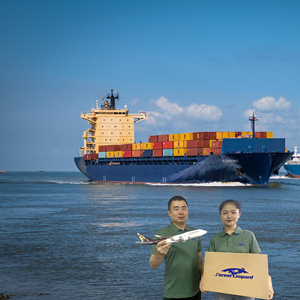
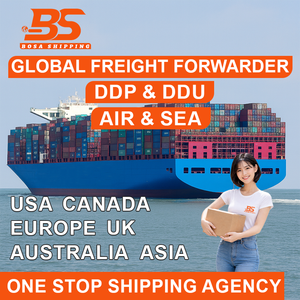
Tailored ocean bulk, heavy-lift project cargo, and containerized charter operations optimized for Hungary and European supply chains.
Vessel Charter Contracts & Operational Frameworks
Selecting the optimal charter party agreement based on cargo profiles, laytime calculations, and risk allocation.
1. Voyage Chartering (VC) vs. Time Chartering (TC) vs. Bareboat Chartering
When procuring charter services from Chinese shipowners and chartering managers for European delivery, selecting the appropriate contract structure dictates financial predictability and operational flexibility:
- Voyage Charter (VC): Best suited for spot industrial shipments where the vessel owner assumes operational expenses (bunkering, port charges, canal dues). The charterer pays a agreed freight rate per metric ton or lump-sum freight. Critical clauses for Hungarian buyers include strict Laytime & Demurrage definitions (Gencon 94 terms) to prevent demurrage penalties at congested transshipment terminals.
- Time Charter (TC): Preferred by major EPC contractors managing ongoing plant construction in Hungary. The vessel is hired for a specified period (e.g., 6 months to 2 years), with the charterer maintaining operational control over port calls and fueling (bunkering) while the shipowner manages crew and technical maintenance.
- Contract of Affreightment (COA): Ideal for long-term raw material deliveries (e.g., synthetic graphite, solar glass, steel coils). COA guarantees the transport of specified total volumes over set timeframes without fixing a single specific vessel hull.
| Chartering Mode | Primary Cargo Type | Operational Cost Risk | Hungary Routing Suitability |
|---|---|---|---|
| Voyage Charter | Heavy Machinery, Stamping Lines, Steel Structures | Shipowner handles bunkering & transit costs | High (Direct port-to-port single project cargo) |
| Time Charter | Multi-phase Industrial Equipment Supply | Charterer manages fuel & port disbursement | Medium-High (For continuous project deployment) |
| COA (Contract of Affreightment) | Raw Materials, Bulk Minerals, Coils | Fixed rate per ton over high volume/time | High (For recurring industrial factory inputs) |
| Breakbulk RORO Vessel | Rolling Stock, Heavy Vehicles, Oversized Modules | Lump-sum per unit/CBM | Ideal for Koper/Rijeka discharge & low-loader transit |
2. Heavy-Lift & Project Cargo Engineering Solutions
Transporting non-containerized heavy equipment—such as 200-ton power transformers, industrial autoclave tanks, and automotive press beds—demands rigorous maritime engineering. Qualified China vessel charter suppliers provide end-to-end technical documentation including:
Method Statements & Lifting Plans
Computer-simulated tandem crane lifting calculations, center-of-gravity (CG) verification, and spreader bar load distributions certified by classification societies (DNV, RINA, or CCS).
Stowage & Lashing Calculations
Deck load density limits (MT/m²), dynamic acceleration forces analysis based on IMO Code of Safe Practice for Cargo Stowage and Securing (CSS Code).
Port Marine Warranty Survey (MWS)
Third-party physical inspection at Chinese loading berths to approve hatch cover integrity, dunnage placement, and chain/wire-rope tensioning before departure.
Localized Application Scenarios in Hungary
Connecting major Chinese port terminals with key industrial construction zones in Debrecen, Budapest, Szeged, and Győr.
Debrecen EV Battery Gigafactory Supply Pipeline
With massive investments from premier Asian battery manufacturers in Eastern Hungary (Debrecen Southern Industrial Park), chartering bulk vessels for cathode material production lines, cleanroom modules, and automated assembly machinery has become essential.
Logistics Route: Tianjin / Ningbo → Port of Koper (Slovenia) via ocean charter vessel → Dedicated heavy-load rail block trains → Debrecen Terminal. This route avoids low-clearance bridges while cutting inland transit time to under 48 hours from the coast.
Danubian Heavy Machinery Transshipment via Waterways
For ultra-heavy or super-out-of-gauge (OOG) machinery destined for central Hungarian industrial complexes along the Danube (Csepel Freeport Budapest, Dunanújváros), direct river-sea charter integration provides unmatched cost-efficiency.
Logistics Route: Shanghai / Taicang → Port of Constanta (Romania) via ocean breakbulk charter → Transshipment onto inland Danubian push-barges → Direct river quay discharge at Csepel Port, Hungary.
Regulatory Compliance & European Market Trends
Mastering EU environmental mandates, tax optimization, and cross-border customs procedures for vessel chartering.
1. EU ETS (Emissions Trading System) Maritime Integration
Since 2024, the EU ETS covers greenhouse gas emissions from all large ships (above 5,000 gross tonnage) entering European ports. When chartering vessels from China to European ports servicing Hungary (such as Koper, Rijeka, or Rotterdam), charter agreements must explicitly define the responsible party for purchasing European Union Allowances (EUAs). Expert charter suppliers assist buyers in calculating voyage carbon intensities and selecting fuel-efficient modern vessel hulls to minimize carbon surcharges.
2. EU CBAM (Carbon Border Adjustment Mechanism) Documentation
For charter shipments transporting primary industrial commodities—such as raw iron, steel girders, aluminum structures, and cement—importers in Hungary must comply with CBAM reporting. Experienced China charter partners ensure that raw material certificates, mill test certificates (MTC), and embedded emissions calculations are verified prior to vessel departure, preventing extended customs holds at EU border entry points.
3. T1 Transit Procedures & Hungarian Customs Fiscal Representation
Because ocean vessels discharge at coastal EU entry points (Slovenia, Croatia, Netherlands, Romania), cargo destined for Hungary moves under T1 external transit status. Professional chartering and freight forwarder teams coordinate seamless bond guarantees, ensuring tax-deferred movements across borders until final customs clearance and Deferred VAT accounting take place within Hungarian jurisdiction.
Frequently Asked Questions by Procurement Managers
Address key operational concerns when chartering vessels from China for delivery into Hungary.
Which European discharge ports offer the best transit times for charter cargo to Hungary?
How are Laytime, SHINC/SHEX, and Demurrage calculated in vessel charter agreements?
What parameters are needed to request a formal Vessel Charter Quotation for project cargo?
Can charter vessels handle hazardous or temperature-sensitive bulk raw materials?
How does founder oversight benefit our chartering operations compared to traditional freight brokers?
Enterprise Strengths & Founder Accountability
Our vessel chartering service is built on operational integrity, specialized maritime engineering, and dedicated accountability. Founded by industry veterans with deep expertise in heavy-lift transport, rail corridors, and international customs clearance, we bridge the complex operational gap between Chinese manufacturing plants and European end-users.
Hands-On Leadership
Every charter contract is managed directly by executive founders, eliminating bureaucracy, automated chatbots, and communication layers.
Multilingual Support
Fluent operational communication across English, German, Hungarian, Mandarin, Spanish, and Portuguese for real-time clarity with ports and suppliers.
End-to-End Intermodal DDP
Full capability to execute from origin factory floor in China all the way to final foundation positioning at Hungarian job sites.
Ready to Plan Your Cargo Charter to Hungary?
Speak directly with our senior chartering engineers today. Receive a comprehensive vessel feasibility study and laytime calculation within 24 hours.