Executive Summary: Navigating China-to-Istanbul Multimodal Trade Dynamics
Istanbul occupies an unparalleled position in global commerce. Situated at the junction of Europe and Asia, straddling the Bosporus, Istanbul serves as the premier logistics gateway for Turkey, the Balkans, the Caucasus, and the wider Middle East. For enterprise importers, procurement directors, and industrial manufacturers operating across Istanbul’s vibrant trade hubs—such as the Ambarlı Port Complex, Halkalı Intermodal Rail Terminal, Gebze Logistics Zone, and Istanbul Airport Cargo Hub (IST)—securing a resilient, cost-optimized, and highly adaptable supply chain from China is a strategic imperative.
As global trade lanes experience ongoing volatility, traditional ocean-only routes through the Suez Canal often encounter bottlenecking, rate surcharges, or extended transit delays. Consequently, modern supply chains demand **multimodal transport architectures**—seamlessly combining ocean freight (FCL/LCL), the Trans-Caspian International Transport Route (Middle Corridor Rail), Cross-Border TIR Road Freight, and Express Air Freight. As a leading China-based multimodal freight transport supplier and exporter serving Istanbul, our organization provides targeted end-to-end logistics solutions, combining hands-on technical oversight, deep customs compliance expertise, and direct founder accountability.
Key Insight for Istanbul Importers: Utilizing the Middle Corridor rail and TIR road transport under the TIR Convention can reduce China-to-Istanbul door-to-door transit times by 40% to 60% compared to traditional maritime routes around the Cape of Good Hope, offering critical agility for high-value industrial and retail supply chains.
Semantic Breakdown of Multimodal Modes: Ocean, Rail, Road TIR & Air
Choosing the correct freight mode requires balancing lead times, budget constraints, volume thresholds, and commodity sensitivity. Below is a comprehensive comparative matrix detailing the operational parameters for shipments originating in China's prime manufacturing belts (Ningbo, Shanghai, Shenzhen, Qingdao, Yiwu, Xi'an) routed into key Istanbul discharge terminals.
| Logistics Mode |
Typical China Origin |
Istanbul Hub / Entry Point |
Transit Time |
Optimal Cargo Types |
| Ocean Freight (FCL) |
Ningbo, Shenzhen, Shanghai, Tianjin |
Ambarlı (Marport / Kumport), Haydarpaşa |
24 – 32 Days |
Heavy industrial machinery, raw material bulk, consumer electronics, furniture. |
| Ocean Freight (LCL) |
Yiwu, Guangzhou, Ningbo |
Ambarlı CFS Warehouses / Erenköy Customs |
28 – 35 Days |
Small-to-medium consolidation lots, spare parts, commercial totes & samples. |
| Rail Freight (Middle Corridor) |
Xi'an, Chengdu, Zhengzhou, Urumqi |
Halkalı Railway Station, Muratbey Customs |
16 – 20 Days |
Automotive components, industrial equipment, high-value consumer goods. |
| Cross-Border Road (TIR) |
Kashgar, Khorgos, Alashankou |
Erenköy, Halkalı, Gebze Warehouses |
12 – 16 Days |
Time-sensitive apparel, express e-commerce, perishable or oversized freight. |
| Priority Air Freight |
PVG, CAN, SZX, HKG, CGO |
Istanbul Airport (IST), Sabiha Gökçen (SAW) |
3 – 5 Days |
High-tech electronics, urgent medical equipment, fashion samples, critical machinery parts. |
Ambarlı & Kumport Maritime Operations
Handling large-scale FCL container inflows (20GP, 40HQ, 45HQ) from China's coastal ports. We handle direct carrier bookings, local port clearance, demurrage management, and drayage to industrial centers in Avrupa Yakası (European side) and Anadolu Yakası (Asian side).
Halkalı & Muratbey Rail-Road Hubs
Direct integration with China-Europe freight trains arriving via the Caspian Sea route. Our dedicated customs brokerage team operates directly at Halkalı and Muratbey to expedite T1 transit documents and customs declarations without demurrage risk.
Gebze & İkitelli Warehouse Integration
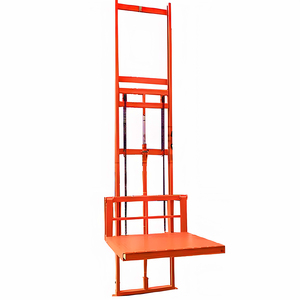
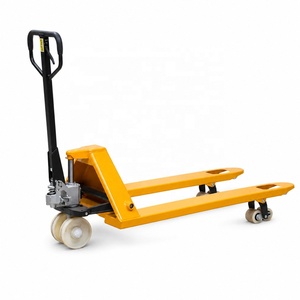
Supplying heavy material handling assets—such as 3.5-Ton Hydraulic Pallet Trucks and Customized Vertical Hydraulic Freight Lifts—for modern multi-story logistics parks in Gebze, Hadımköy, and İkitelli Organized Industrial Zones (OSB).
Strategic Localization: Navigating Turkish Customs & Import Compliance
Importing goods into Turkey requires a nuanced understanding of Turkish Customs Law No. 4458, the Tarex technical compliance monitoring system, and specific tariff schedules (GTİP - Gümrük Tarife İstatistik Pozisyonu). As an authoritative China-to-Istanbul freight forwarder, our operational protocols proactively prevent common clearance pitfalls.
1. ATR and EUR.1 Movement Certificates & Origin Declarations
While goods originating in China do not directly qualify for ATR preferences reserved for EU-Turkey customs union trade, precise documentation detailing country of origin, Certificate of Origin (CO) legalization by CCPIT, and correct HS Code mapping are mandatory. Mismatched GTİP codes can result in unexpected Additional Customs Duties (İlave Gümrük Vergisi - İGV) or placement in the Red Channel (Kırmızı Hat) for physical inspection.
2. T1 Transit Documentation for Inland Bonded Transfer
For containerized or truck-loaded cargo arriving at Istanbul maritime ports or airport terminals that needs to be transferred to inland customs bonded warehouses (Antrepo) in Tuzla, Erenköy, or Çerkezköy, we issue seamlessly integrated T1 transit guarantees. This allows importers to manage customs clearance at their preferred regional office, optimizing cash flow and timing.
3. Specialized Equipment & Industrial Logistics Support
Beyond traditional freight forwarding, modern supply chains require terminal material handling and specialized infrastructure equipment. In response to requests from warehousing and courier operations across Istanbul, we supply specialized logisitcs equipment:
- Heavy-Duty Warehouse Hydraulic Freight Lifts: Custom Q235 steel vertical lifting systems (up to 16m elevation) engineered for industrial logistics centers in Istanbul’s multi-tier warehouses.
- Terminal Pallet Handling Machinery: 3.5-Ton capacity heavy-duty hydraulic pallet trucks built for rigorous dockside container loading and unloading at Marport and Kumport terminals.
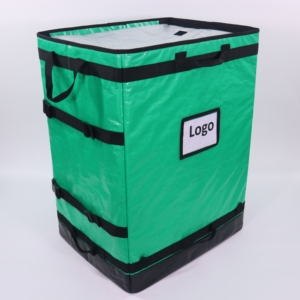
- Courier & E-Commerce Sorting Totes: High-durability OEM custom logistics sorting bags engineered for rapid parcel distribution across Last-Mile delivery networks in Turkey.
E-E-A-T Commitment: Our dedicated account managers bring over 20 years of combined multimodal logistics expertise. Every account is assigned a direct operational supervisor fluent in English, Turkish, and Chinese, ensuring seamless communications between factory floors in China and import desks in Istanbul.
Istanbul's Evolving Role in Global Supply Chain Diversification
Looking toward the 2025–2030 horizon, Turkey’s position as a nearshoring superpower for Europe elevates Istanbul from a mere destination into a re-export trade hub. Products imported from China as raw materials or intermediate components are increasingly processed within Turkish Free Zones (such as Istanbul Trakya Free Zone or AHL Free Zone) before re-exporting to EU member states via road TIR under simplified customs procedures.
Partnering with a forwarder that understands both sides of the corridor—China's manufacturing hubs and Istanbul's strategic transshipment network—gives enterprises a distinct competitive advantage in lead times, tariff control, and supply chain resilience.
What is the most cost-effective shipping mode from China to Istanbul for non-urgent bulk cargo?
For non-urgent volume shipments exceeding 15 CBM or weighing over 3 tons, Ocean Freight Full Container Load (FCL) in 40HQ or 20GP containers routed directly to Istanbul’s Ambarlı Port Complex offers the lowest per-unit transport cost. Typical sea transit from primary Chinese ports (Ningbo/Shanghai/Shenzhen) ranges between 24 and 32 days depending on direct or transshipment ocean service lines.
How does TIR Road Freight from China to Istanbul compare to Rail and Ocean?
Cross-border TIR (Transports Internationaux Routiers) truck freight provides door-to-door transit times of 12 to 16 days from Western China (via Khorgos/Kashgar border points through Kazakhstan and Azerbaijan/Georgia into Turkey). It is faster than both ocean and rail, provides door-to-door flexibility without container station transfers, and simplifies transit customs via the international TIR carnet system.
Which customs documentation is required for clearance at Erenköy or Halkalı Customs in Istanbul?
Required documents include the Commercial Invoice, Packing List, legalized Certificate of Origin (CO), Master Bill of Lading (MBL) / Rail Waybill (CIM/SMGS) / TIR Carnet, and GTİP tariff code specification. Depending on the product category, Tarex compliance certificates, CE declarations, or Ministry of Agriculture approvals may be mandatory prior to customs release.
Can you coordinate door-to-door DDP/DAP shipments directly to factory sites in Gebze or Çerkezköy?
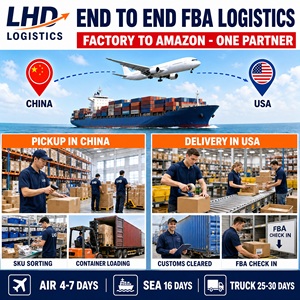
Yes. Our multimodal door-to-door services encompass factory pickup in China, export customs clearance, main international carriage (Sea, Rail, Road, or Air), transit bond management, Turkish import customs clearance coordination, and final inland trucking delivery straight to industrial parks across Kocaeli, Gebze, Çerkezköy, or Greater Istanbul.
How do you mitigate risk regarding demurrage and storage fees at Istanbul ports?
We secure extended free-time agreements (typically 14 to 21 days free demurrage/detention) directly with ocean carriers prior to vessel departure from China. Furthermore, our local operational team pre-verifies all shipping documents 5-7 days before vessel arrival to ensure instantaneous customs filing upon container discharge at Marport or Kumport.