Essential China Supply Chain & Infrastructure Factory Solutions
Vetted heavy-duty logistical hardware, structural cold chain factory units, and end-to-end multi-modal freight services tailored for the Greater Houston industrial ecosystem.


Navigating the China-to-Houston Logistics Corridor
An engineering and supply chain analysis of transpacific freight mechanics, Port of Houston maritime throughput, and specialized industrial equipment imports for Gulf Coast buyers.
Executive Summary: The Strategic Importance of Houston
As the primary economic engine of the U.S. Gulf Coast, the Greater Houston Metropolitan Area represents a critical node in global trade. Historically dominated by energy, petrochemicals, and heavy manufacturing, Houston's commercial landscape has rapidly expanded into e-commerce distribution, automated logistics hubs, and cold-chain agricultural processing. Importing industrial machinery, modular steel structures, and dock loading infrastructure directly from top-tier China manufacturing factories requires more than standardized booking; it demands deep domain expertise in transpacific ocean transit, Panama Canal draft restrictions, and local U.S. Customs and Border Protection (CBP) regulatory compliance.
This whitepaper synthesizes operational frameworks designed by seasoned freight forwarders and logistics engineers to assist Houston-based procurement officers, plant managers, and supply chain directors in minimizing landside demurrage, optimizing Section 301 tariff burdens, and executing seamless door-to-door (DDP/DAP) industrial deliveries.
Transpacific Shipping Lane Matrix: China Base Ports to Houston Terminals
Comparative operational metrics for ocean container cargo entering Barbours Cut and Bayport Container Terminals versus West Coast intermodal land-bridges.
| Routing / Trade Lane | Avg. Transit Time | Primary Port Call Terminals | Demurrage Risk Profile | Ideal Cargo Application |
|---|---|---|---|---|
| Direct All-Water (via Panama Canal) | 24 – 28 Days | Port of Houston (Bayport / Barbours Cut) | Low (Bypasses West Coast Rail Congestion) | Heavy Machinery, FCL Steel Structures, Bulk PVC Equipment |
| USWC Mini-Landbridge (LA/Long Beach + Rail) | 16 – 20 Days | LA/LB Pier Discharge to Union Pacific/BNSF Houston Ramp | Moderate-High (Subject to Rail Car Availability) | Time-Sensitive E-Commerce, High-Value Industrial Spares |
| USEC Transshipment (Savannah/Charleston + Truck) | 28 – 32 Days | South Atlantic Discharge to Interstate Drayage | Low | Over-Dimensional Cargo (OOG) needing Flat Racks |
Localized Industrial Application Scenarios
How Houston’s core commercial sectors deploy Chinese logistics technology and containerized infrastructure to maintain operational velocity.
Energy & Heavy Machinery Manufacturing
Location Focus: Ship Channel Industrial District, Pasadena, Baytown.
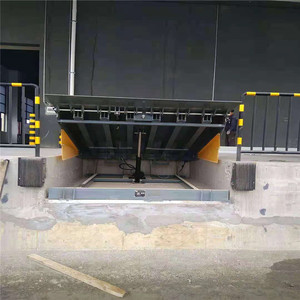
Oilfield equipment suppliers require robust material handling hardware. Importing heavy mobile hydraulic loading ramps (6t to 15t capacity) directly from Chinese factories enables rapid staging of heavy drill bits, valve assemblies, and skidded machinery. Utilizing 40HQ flat-rack ocean containers via direct all-water calls ensures zero intermediate rail-shake damage.
Cold Storage & Perishable Logistics
Location Focus: Port of Houston Cold Hubs, Katy, Sugar Land.
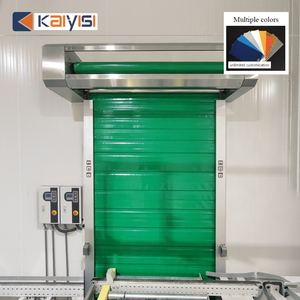
Texas food distributors expanding cold storage space mandate ultra-low thermal drift. Pre-engineered steel structure walk-in freezers paired with automatic thermal insulation PVC high-speed doors mitigate humidity ingress during Gulf Coast summer humidity spikes. High-speed roll-up doors cycle in 1.2 seconds, retaining internal temperatures down to -25°C while minimizing compressor load.
E-Commerce Reverse Logistics & Fulfillment
Location Focus: North Houston (IAH Airport Corridor), Northwest Hwy 290 Logistics Parks.
Cross-border e-commerce operations in Houston process thousands of high-velocity parcel returns weekly. Deploying automated sorting systems, return management protocols, and centralized consolidation logistics reduces reverse logistics costs. Air-express integrated pipelines allow high-value electronics and apparel returns to be processed, re-labeled, or returned to primary overseas factories seamlessly.
Macro Supply Chain Trends Reshaping Houston Trade
Strategic insights for Texas procurement officers preparing for next-generation port infrastructure, nearshoring dynamics, and regulatory compliance.
1. Project 11 Expansion at Port of Houston
The $1 billion Project 11 initiative to widen and deepen the Houston Ship Channel (widening the Galveston Bay reach to 700 feet and deepening to 45 feet) allows larger 15,000+ TEU neo-Panamax container vessels to dock directly at Bayport and Barbours Cut. Chinese exporters can now utilize larger vessel loops, reducing per-container ocean freight costs by up to 18% for Houston importers.
2. Nearshoring Integration & US-Mexico-Texas Triangle
As manufacturing migrates to Mexican industrial parks (Monterrey, Saltillo), Houston has evolved into a master distribution hub for dual-origin supply chains. Raw industrial machinery components sourced from factories in Ningbo or Shenzhen are shipped to Houston, assembled or staged, and routed via I-35 down to Texas border ports such as Laredo and McAllen.
3. Growth of Bonded Warehousing & Foreign Trade Zones (FTZ No. 84)
To mitigate Section 301 tariff costs, Houston importers are increasingly leveraging FTZ No. 84. Storage of imported Chinese factory infrastructure—such as heavy steel building components and dock levelers—inside a FTZ allows duty deferral until goods enter domestic commerce, dramatically improving corporate cash flow management.
4. Automated Cold Chain Infrastructure Requirements
Rising labor costs across Texas have driven demand for smart, automated cold chain factory solutions. Insulated PVC rapid roll-up doors with PLC microprocessor controllers and radar sensors are now standard specification for modern refrigerated distribution centers, preventing thermal bridging and ensuring compliance with FDA FSMA guidelines.
The 2M Freight & China Factory Ecosystem
Combining ground-level Chinese factory procurement with veteran U.S. freight forwarding accountability. No automated queues, no call centers—just personal leadership oversight.
20+
Years Combined Logistics Leadership
2
Founders Personally Accountable
3
Working Languages (EN / PT / ES)
24h
Maximum Response Time Guarantee
MV
Marcus Vinicius Soares
Co-Founder & Operational Director
Over a decade leading large-scale multi-modal operations, managing complex supply chains across South America and the United States. Specialist in heavy cargo lashing, maritime customs clearance, and high-volume freight contracts.
MJ
Marco Junior
Co-Founder & Global Network Lead
Hands-on international freight forwarder with specialized experience in rail transport infrastructure, intermodal cross-docking, and carrier network optimization spanning Asia, the U.S., and Latin America.
Frequently Asked Questions by Houston Importers
Detailed technical and operational answers to common inquiries surrounding China-to-Houston industrial freight.
What is the average ocean freight transit time from main China ports to the Port of Houston?
For direct all-water services traveling through the Panama Canal (calling at Shanghai, Ningbo, Yantian, or Qingdao), the average port-to-port transit time to Houston (Bayport or Barbours Cut Terminal) ranges between 24 and 28 days. If using an express Mini-Landbridge (MLB) service via West Coast ports (Los Angeles/Long Beach) with Union Pacific rail drayage to Houston, total transit is approximately 16 to 20 days, though rail car availability can introduce variance.
How are heavy oversized equipment and structural factory components shipped to Houston?
Oversized industrial machinery (such as 15t mobile loading ramps or prefabricated steel structures) is typically secured using 20ft or 40ft Flat-Rack or Open-Top containers for standard ocean carrier loops. For extreme dimensions, Breakbulk or Roll-on/Roll-off (RoRo) vessels calling at the Port of Houston’s Turning Basin Terminal are utilized. Our team oversees heavy-duty lashing certification, export clearance in China, and specialized Texas heavy-haul drayage permits upon arrival.
What documentation is required for seamless U.S. Customs clearance in Houston?
To comply with U.S. Customs and Border Protection (CBP) requirements, importers must file an ISF (Importer Security Filing / 10+2) at least 24 hours prior to cargo vessel loading at the Chinese port of origin. Key documentation includes: Commercial Invoice, Packing List with accurate gross weights and HTS codes, Master & House Bill of Lading, and specialized certificates (e.g., USDA/FDA certificates for cold storage materials or EPA compliance for motorized machinery).
How do high-speed thermal PVC doors perform in Houston’s humid climate?
Greater Houston experiences elevated ambient humidity and intense summer heat. Automatic thermal PVC high-speed doors imported from our specialized cold-chain factory partners feature double-layer insulated curtains with anti-condensation heat strips and heavy-duty side-guide seals. This structural design prevents icing along seal edges in walk-in freezers, reduces thermal transference, and protects structural integrity against moisture damage.
Can 2M Freight handle DDP (Delivered Duty Paid) door-to-door logistics to Texas facilities?
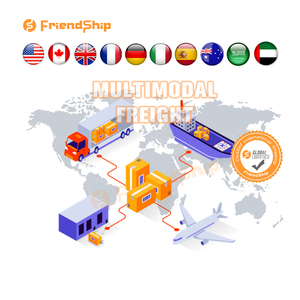
Yes. Under DDP Incoterms, we handle the complete door-to-door chain: factory pickup in China, export customs clearance, ocean/air main carriage, U.S. customs entry, payment of customs duties/tariffs (including Section 301 duties), and final landside trucking to your warehouse anywhere in Houston, Dallas, San Antonio, or Austin.
How quickly will I receive a customized quote for industrial equipment forwarding?
Every inquiry received is reviewed personally by founders Marcus Vinicius or Marco Junior. You will receive a comprehensive routing plan, line-item cost estimate, and transit schedule within one business day.
Optimize Your China-to-Houston Supply Chain Today
Whether you require custom cold-storage steel factory builds, heavy container unloading ramps, or seamless ocean freight forwarding, our founders are ready to assist.