
1. Strategic Overview: The Dangerous Goods Logistics Landscape in Finland
Finland occupies a key geopolitical and logistical position in Northern Europe, serving as a critical gateway between the Baltic Sea basin, Scandinavian industrial corridors, and global trade lanes. As high-tech manufacturing, battery gigafactories, specialty chemical production, and forestry bio-refineries expand across Finland (specifically within key hubs like Helsinki, Kotka-Hamina, Turku, Vaasa, and Kokkola), the demand for highly specialized OEM/ODM Dangerous Goods (DG) logistics and custom equipment manufacturing has reached unprecedented levels.
Managing dangerous goods—spanning Class 1 explosives down to Class 9 lithium-ion batteries and environmentally hazardous substances—requires far more than conventional freight forwarding. It demands a holistic integration of UN-certified packaging, specialized transport chassis engineering, extreme cold-weather thermal management, and strict regulatory adherence to international and Finnish national maritime, road, rail, and air transport laws.
Core Technical Competency
Our OEM/ODM capability encompasses both the engineering of specialized logistics machinery (terminal chassis, container ramps, ATEX-rated stackers) and end-to-end hazardous cargo movement under Finland’s strict Traficom and European Chemicals Agency (ECHA) standards.
2. Regulatory Ecosystem & Compliance Framework in Nordic Operations
Exporting and importing dangerous goods through Finnish ports and transit highways requires deep operational familiarity with multiple regulatory bodies and international safety conventions. Non-compliance can result in catastrophic environmental risk, severe administrative fines, or total cargo impoundment by Finnish Customs (Tulli).
A. ADR (European Road Transport Agreement)
All road freight movements involving hazardous substances within Finland and across Scandinavian boundaries must comply with ADR provisions. Transport vehicles must be equipped with EX/II, EX/III, FL, or AT vehicle certifications depending on cargo classification. Furthermore, drivers must possess specialized ADR training certificates, and vehicles must feature insulated thermal protection to handle temperature swings between summer ambient temperatures and sub-zero Arctic winter extremes (-30°C to -35°C).
B. IMDG Code (International Maritime Dangerous Goods)
With major ports such as the Port of Helsinki (Vuosaari) and HaminaKotka handling vast volumes of containerized chemical exports and raw material imports, maritime transport requires flawless IMDG compliance. This includes verified dangerous goods manifest submissions, dangerous goods declarations (DGD), correct hazard labeling, segregation of incompatible materials (e.g., separating Class 5.1 oxidizers from Class 3 flammable liquids), and structural container integrity testing for sea-state dynamic forces.
C. ICAO / IATA DGR (Air Freight Regulations)
For time-critical hazardous shipments—such as prototype lithium battery packs from Finnish R&D facilities or critical industrial reagents—Helsinki-Vantaa Airport serves as the primary air cargo gateway. Our operations adhere strictly to IATA Dangerous Goods Regulations, utilizing UN-tested combination packaging, state-of-charge (SoC) management for battery freight, and cargo-aircraft-only (CAO) routing protocols.
3. Technical Classification Matrix for Hazardous Cargo Handling
The following matrix outlines the operational protocols, specialized equipment requirements, and environmental control parameters enforced across our Finnish OEM/ODM logistics network:
| DG Class | Hazardous Classification | Primary Finnish Application | Transport Equipment & Asset Used | Compliance Standard |
|---|---|---|---|---|
| Class 1 | Explosives & Pyrotechnics | Mining, quarrying, defense manufacturing | EX/III certified container trailers, remote monitoring | ADR EX/III, Traficom Permit |
| Class 2 | Compressed / Liquefied Gases | Industrial gas supply, LNG ship bunkering | High-pressure tank containers, cryo-insulated chassis | TPED, IMDG Tank Code |
| Class 3 | Flammable Liquids | Bio-fuels, paints, resin manufacturing | ATEX-rated electric stackers, steel structure spill-bunded storage | ADR FL, ATEX Zone 1/2 |
| Class 4 | Flammable Solids & Reactive Materials | Pulp mill process chemicals, metals processing | Moisture-proof container chassis, thermal insulation | IMDG Segregation Group 1 |
| Class 5 | Oxidizing Substances & Organic Peroxides | Water treatment, fertilizer production | Temperature-controlled reefer containers, insulated ramps | SADT Monitoring, ADR Class 5.2 |
| Class 8 | Corrosive Substances | Battery acid, industrial etching agents | Acid-resistant container lining, mobile leveling ramps | UN Pack Group I/II Spec |
| Class 9 | Lithium Batteries & Misc. Goods | Electric Vehicle (EV) batteries, tech recycling | Thermal run-away suppression boxes, shock-damped trailers | UN 3480 / UN 3481, SP 376/377 |
4. OEM/ODM Hardware Engineering for Hazardous Cargo Operations
A distinctive advantage of our enterprise offering lies in the physical design and OEM/ODM manufacturing of specialized logistics hardware tailored to hazardous environments. Conventional port and warehouse machinery often fails under the combined stress of heavy hazardous payloads and extreme Nordic climatic exposure. We engineer robust hardware solutions to solve these operational pain points:
A. Heavy-Duty Terminal Chassis & Easy-Unload Trailers
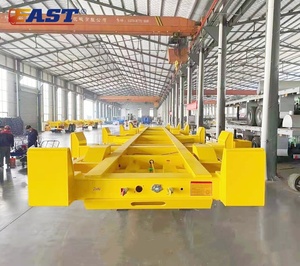
Port transshipment terminals require specialized chassis capable of carrying ISO tank containers and hazardous dry-bulk containers without risking frame distortion or pin-lock failures. Our EAST Container Transshipment Terminal Trailers feature high-tensile steel frames, reinforced multi-axle suspension systems, and low-center-of-gravity geometry designed to prevent tipping during rapid port maneuvers on icy tarmac surfaces.
B. 6t to 15t Mobile Container Loading Ramps
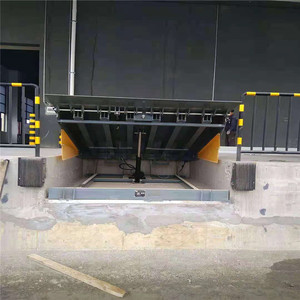
Hazardous material loading requires absolute stability during forklift ingress and egress. Our heavy-duty mobile loading ramps (rated from 6 metric tons up to 15 metric tons) incorporate anti-skid serrated steel grating, hydraulic leveling machines for uneven terminal aprons, and integrated safety chains that securely lock the ramp to the container body, preventing dangerous detachment during chemical pallet handling.
C. ATEX-Certified Triplex Mast Full Electric Stackers
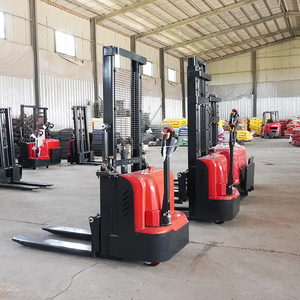
Inside dangerous goods storage facilities, internal combustion engine forklifts represent an unacceptable ignition risk for Class 3 flammable vapors or Class 4 combustible dusts. Our OEM/ODM electric stackers feature triplex high-lift masts, enclosed explosion-proof motor housings, anti-static poly wheels, and precise electronic proportional controls that allow smooth, drop-free placement of sensitive hazardous IBC totes and drum pallets.
D. Prefabricated Steel Structure Hazardous Material Warehouses
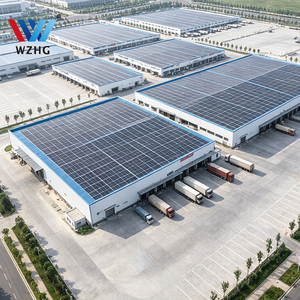
To support localized distribution in Finland, we design and deploy modular steel structure logistics warehouses. These facilities feature segregated fire-rated compartments, automatic foam deluge fire suppression systems, force-ventilated chemical storage zones, anti-spark flooring, and custom-designed dock loading areas tailored for rapid parcel sorting and hazardous freight consolidation.
5. Localized Application Scenarios Across Finland Industry Sectors
Our tailored dangerous goods supply chain services directly power major industrial initiatives across Northern Europe:
Scenario A: The Vaasa & Kokkola Nordic Battery Belt
Finland has emerged as a premier European epicenter for battery cell manufacturing, cathode material processing, and lithium-ion recycling. Transporting precursor chemicals (such as nickel sulfate and cobalt solutions) and finished lithium battery energy storage systems (ESS) requires specialized Class 9 and Class 8 handling. We provide temperature-monitored, shock-insulated container chassis transport directly from manufacturing sites in Vaasa to export terminals in Turku and Helsinki.
Scenario B: Forest Industry & Paper Bio-Refinery Chemicals
Finland's world-leading forest and paper products industry relies on vast quantities of processing chemicals, including hydrogen peroxide, sodium chlorate, and caustic soda. We manage the multi-modal transshipment of these bulk corrosive and oxidizing liquids via rail tank cars and specialized road tankers, leveraging easy-to-unload container trailers to streamline supply lines to remote inland mills in Lapland and Central Finland.
Scenario C: High-Tech Cleanroom Chemical Express Freight
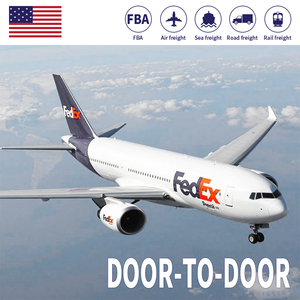
Finland’s microelectronics and quantum computing research corridors demand ultra-pure, high-hazard process gases and liquid etchants. Utilizing priority air freight corridors from Asia and North America through Helsinki-Vantaa Airport, we coordinate immediate DDP door-to-door express customs clearance and air-conditioned temperature-controlled delivery directly to cleanroom receiving bays.
6. Global Multimodal Corridors: China to Finland & Worldwide DDP Logistics
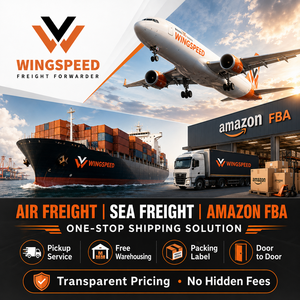
Beyond hardware and regional trucking, our freight forwarding division operates robust global trade routes connecting Finnish industrial importers with manufacturing hubs across China, North America, Australia, and the Middle East:
- DDP Ocean Freight LCL/FCL: Complete end-to-end Ocean Freight services from major Chinese ports (Ningbo, Shanghai, Shenzhen) to Finland’s primary container terminals. We handle bulk pallet consolidation, hazardous cargo packing supervision, marine insurance, customs tariff classification, and final inland delivery to warehouse facilities.
- Eurasian Cross-Border Rail Freight: Highly cost-effective and faster transit alternative to sea shipping for heavy industrial machinery and non-reactive hazardous bulk cargo. Rail corridors provide direct connectivity across East-West trade arteries into Baltic distribution points.
- Priority Air Freight Forwarding: Rapid air freight express shipping for urgent replacement components, dangerous goods sample testing, and high-value industrial technology.
7. Strategic Value & E-E-A-T Enterprise Commitment
Selecting a logistics partner for dangerous goods in Finland requires total confidence in operational reliability, regulatory accountability, and equipment durability. Every custom trailer built, every container ramp engineered, and every hazardous container booked through our network carries our foundational commitment to safety and quality.
By combining direct owner accountability with deep technical knowledge of European dangerous goods legislation, we eliminate complex middle-layer agency fees and communication delays. Your procurement team gains direct access to senior logistics engineers and certified Dangerous Goods Safety Advisers (DGSA) capable of making real-time route modifications and custom machinery adjustments.