Specialized Freight Assets & Logistics Equipment for Uruguay Exports
Explore high-capacity machinery, cold-chain containment doors, project cargo chartering solutions, and multi-modal handling equipment optimized for Montevideo and River Plate trade lanes.
1. The Uruguayan Maritime Economy: Navigating Mercosur's Logistics Gateway
The Oriental Republic of Uruguay occupies a uniquely strategic position within the Southern Cone of South America. Situated at the mouth of the Río de la Plata, Uruguay functions not merely as a sovereign import-export market of 3.5 million consumers, but as the premier transshipment hub, free-zone logistics sanctuary, and maritime entry point for the vast Mercosur economic bloc—encompassing Brazil, Argentina, Paraguay, and Bolivia. For global manufacturers, exporters, and supply chain directors, mastering ocean freight logistics in Uruguay requires an in-depth understanding of its specialized port mechanics, tax-free logistics legislation (Ley de Zonas Francas No. 15.921), and the evolving hydrographic depth parameters of the Port of Montevideo.
As the international trade architecture recalibrates toward resilient regional supply chains, Uruguay’s export portfolio—dominated by agricultural commodities such as cellulose pulp, chilled beef, soybeans, dairy, and rice—demands sophisticated ocean logistics. Simultaneously, Uruguayan industrial importers rely heavily on capital equipment, automotive parts, renewable energy components, and fast-moving consumer goods (FMCG) sourced from Asia, North America, and Europe. Navigating this dual flow of high-volume containerized cargo and specialized refrigerated goods mandates a freight forwarding partner with hands-on operational authority, regulatory mastery, and deep carrier network connections.
Key Strategic Value Drivers of Uruguay's Ocean Logistics Corridor:
- Dredging to 14 Meters: The ongoing deepening of the Port of Montevideo’s access channel to 14 meters (46 feet) enables the direct berthing of neo-Panamax container vessels, significantly lowering slot costs for international ocean carriers.
- Free Zone Customs Immunity: Facilities like Zonamerica, Parque de las Ciencias, and WTC Free Zone allow global manufacturers to store, consolidate, re-pack, and add value to merchandise tariff-free prior to final Mercosur distribution.
- The Paraná-Paraguay Waterway Feeder Network: River barges connect landlocked Paraguay and inland Argentina directly to Montevideo’s deep-water terminals for ocean vessel transshipment.
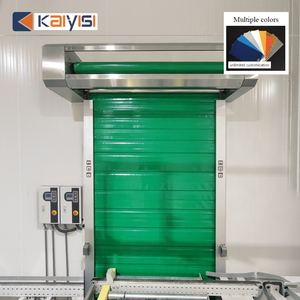
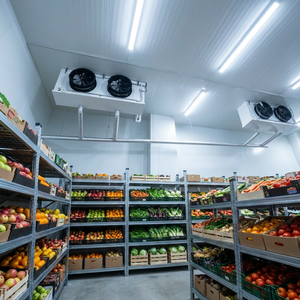
- Advanced Cold Chain Integrity: High-density reefer container infrastructure supported by specialized rapid roll-up PVC thermal doors and uninterrupted cold storage protocols ensures compliance with USDA, EU, and GACC food safety standards.
FCL & LCL Ocean Consolidation
Full Container Load (20' & 40' Dry/High Cube) and Less than Container Load services connecting North American and Asian ports directly with Montevideo’s Terminal Cuenca del Plata (TCP).
Controlled Atmosphere Reefer Logistics
End-to-end cold chain management featuring automated thermal insulation monitoring, rapid roll-up warehouse isolation, and USDA-compliant in-transit cold treatment protocol execution.
Founder-Led Enterprise Operations
Direct communication with company co-founders Marcus Vinicius Soares and Marco Junior. No call centers, no generic ticket queues—just 20+ years of operational accountability.
2. Port Infrastructure & Technical Ocean Freight Routing Matrix
Ocean freight execution in Uruguay relies on two main maritime access points: the Port of Montevideo (handling virtually 100% of containerized, project, and reefer traffic) and the Port of Nueva Palmira (specializing in dry bulk agricultural exports). When selecting an ocean shipping mode, international procurement directors must weigh volume requirements, transit sensitivity, and terminal handling charges (THC).
Under the leadership of 2M Freight and Logistics, supply chain architects are provided with customized routing options that optimize both transit time and landed cost. Whether dispatching heavy diesel forklifts for port cargo handling or routing temperature-sensitive pharmaceuticals into Zonamerica, matching cargo parameters to container specifications is crucial.
Comparative Analysis: Ocean Freight Modes for Uruguayan Trade Lanes
| Freight Mode | Ideal Cargo Profile | Avg. Transit (US Gulf to MVD) | Avg. Transit (Asia Base to MVD) | Key Operational Advantage |
|---|---|---|---|---|
| FCL Dry Container (20' GP / 40' HC) | Heavy industrial machinery, consumer goods, raw plastics, solar panels | 18 - 24 Days | 32 - 40 Days | Maximum volume security; direct seal from origin factory to destination warehouse. |
| Reefer Container (20' RE / 40' HR) | Chilled beef, fresh poultry, dairy products, pharmaceuticals, seeds | 20 - 25 Days | 35 - 42 Days | Active micro-climate controls (humidity, O2/CO2 levels, temperature mapping). |
| LCL Freight Consolidation | Small-batch industrial spares, commercial samples, retail restocks | 22 - 28 Days | 38 - 45 Days | Pay-per-cubic-meter (CBM); avoids paying for unused full container space. |
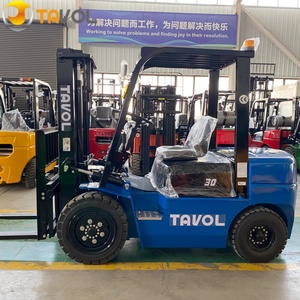
| Breakbulk & Project Cargo | Pulp mill components, wind turbine blades, 10-ton diesel forklifts | Individually Scheduled | Individually Scheduled | Tailored heavy-lift crane handling and flat-rack/open-top container rigging. |
For manufacturers exporting to Uruguay under DDP (Delivered Duty Paid) or DAP (Delivered at Place) Incoterms, ocean freight is merely the sea-leg component. Inland drayage from Montevideo terminal to industrial zones in Canelones, San José, or Salto requires bonded road transport fleets outfitted with GPS tracking and specialized loading ramps.
3. Enterprise Expertise & The 2M Freight Accountability Framework
In an era dominated by automated logistics platforms and digital freight brokerages that lack physical operational presence, 2M Freight and Logistics LLC stands out by offering genuine operational experience, deep domain knowledge, and complete accountability. Grounded in the E-E-A-T guidelines (Experience, Expertise, Authoritativeness, Trustworthiness), our organization is built on decades of hands-on freight management across the Americas.
Founded on Operational Leadership
The core leadership team at 2M Freight brings over 20 years of combined, ground-level logistics experience directly to your supply chain:
- Marcus Vinicius Soares (Co-Founder): Spent over a decade managing large-scale freight operations in Brazil, overseeing hundreds of logistics personnel and managing multi-million-dollar corporate accounts across complex South American customs regimes.
- Marco Junior (Co-Founder): An international freight forwarding specialist with extensive experience leading multi-modal rail, road, and maritime operations across international borders and carrier networks.
Operating from our strategic North American gateway in Doral, Miami, Florida, 2M Freight bridges the operational divide between North American manufacturers, Asian production hubs, and Latin American consignees. Our trilingual operational team communicates fluently in English, Spanish, and Portuguese, eliminating the language barriers and regulatory miscommunications that frequently delay shipments at South American customs checkpoints.
The Founder Accountability Promise
"Every freight quote, route plan, and customs filing is personally reviewed or managed by a company founder. We do not pass your cargo off to overseas call centers. When you ship to or from Uruguay with 2M, our family name and professional reputation travel inside every container."
4. Uruguayan Customs Compliance, DUA Documentation & Mercosur Rules of Origin
Importing and exporting via Uruguayan ocean ports requires strict adherence to the regulations of the Dirección Nacional de Aduanas (DNA). A single error in tariff classification or documentation can lead to severe penalties, demurrage charges at Montevideo terminals, or cargo seizure.
Essential Documentation Checklist for Uruguay Ocean Freight
- Declaración Única Aduanera (DUA): The mandatory electronic customs declaration filed through the LUCIA system by an authorized Uruguayan customs broker (Despachante de Aduana).
- Ocean Bill of Lading (B/L): Must clearly state freight charges (Prepaid or Collect), HS Code (NCM - Nomenclatura Común del Mercosur), tax identification numbers (RUT for Uruguayan companies), and precise cargo weight in kilograms.
- Commercial Invoice & Detailed Packing List: Must detail unit prices, total FOB/CIF values, container seal numbers, and itemized packages matching physical container contents exactly.
- Certificate of Origin (Certificado de Origen Mercosur): Crucial for goods originating within Mercosur member states to qualify for zero-tariff intra-zone preferences under the Régimen de Origen Mercosur (ROM).
- Phytosanitary & Sanitary Certificates: Required by MGAP (Ministerio de Ganadería, Agricultura y Pesca) for food products, timber, seeds, and agricultural machinery to prevent ecological bio-hazards.
Furthermore, global exporters shipping industrial equipment—such as rapid roll-up PVC cold storage doors or heavy counterbalance diesel forklifts—must ensure that electrical standards, engine emission certificates, and safety ratings comply with Uruguayan UNIT standards before ocean dispatch.
5. Future Trends: Green Shipping Corridors & Supply Chain Digitization in Uruguay
As Uruguay solidifies its status as a green energy leader—generating over 98% of its electricity from renewable sources (wind, hydro, biomass, and solar)—the national logistics sector is undergoing a parallel green transformation. Freight forwarders and ocean carriers operating in Montevideo are rapidly adapting to new ESG (Environmental, Social, and Governance) benchmarks.
Key Trends Shaping Uruguayan Logistics (2025–2030):
- Green Hydrogen & E-Fuels Integration: Massive investments in green hydrogen projects in Tacuarembó and Paysandú are positioning Uruguay to become a refueling hub for low-emission ocean vessels along South America's East Coast.
- Smart Terminal Operations at TCP: Terminal Cuenca del Plata’s $600M expansion includes fully electrified gantry cranes, automated container gate processing, and real-time container monitoring infrastructure.
- Rail Transport Revival (Ferrocarril Central): The modern 273 km railway linking Paso de los Toros directly to the Port of Montevideo has revolutionized inland pulp logistics, taking thousands of heavy trucks off national highways and reducing carbon emissions per ton-kilometer.
- IoT-Enabled Cold Chains: Real-time telematics devices mounted inside reefer units provide continuous live monitoring of temperature, humidity, and door-opening events during sea transit and final road drayage across Uruguay.
Frequently Asked Questions by Uruguay Market Trade Partners
Expert insights addressing key operational, tariff, documentation, and transit questions for ocean freight shipping to and from Montevideo.
What is the average ocean freight transit time from US ports to Montevideo, Uruguay?
How do Uruguay's Free Zone laws benefit international ocean exporters?
What is the difference between FCL and LCL ocean shipping when importing into Uruguay?
What specific requirements apply to refrigerated beef and perishable exports from Uruguay?
How does 2M Freight ensure seamless customs clearance in Montevideo?
Can 2M Freight handle heavy project cargo, such as 10-ton forklifts or industrial machinery?
Optimize Your Ocean Logistics Corridor to Uruguay Today
Connect directly with company co-founders Marcus Vinicius Soares or Marco Junior for an expert review of your trade lane, custom tariff calculation, or tailored FCL/LCL ocean freight proposal.