Featured Cross-Docking & Global Freight Solutions
Engineered for seamless supply chain velocity, container deconsolidation, and high-volume Midwest distribution.
Strategic Cross-Docking Architecture for the Greater Chicago Logistics Hub
As the primary freight epicenter of North America, the Chicago metropolitan area—anchored by O'Hare International Airport (ORD), the Port of Chicago (Customs Port 3901), and major Class I rail intermodal terminals in Joliet and Elgin—demands operational agility that legacy long-term warehousing simply cannot supply. Modern manufacturers and exporters shipping into Illinois require a high-velocity Cross-Docking & Container Transloading Infrastructure designed to eliminate costly warehouse storage fees, prevent demurrage penalties, and compress total supply chain lead times.
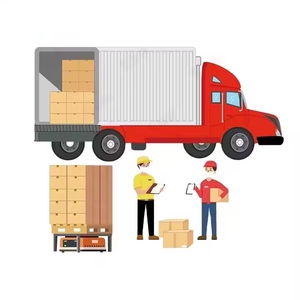
Cross-docking serves as the direct operational bridge between incoming international ocean FCL containers (or priority air cargo) and outbound domestic over-the-road (OTR) trucking fleets. By transferring inbound freight directly from import containers into 53-foot dry vans or temperature-controlled trailers with zero to minimal intermediate storage, manufacturers achieve unprecedented cash-flow velocity and inventory turnover ratios across Midwest distribution networks.
Zero-Dwell Transloading
Direct floor-to-floor container unloading bypasses racking systems, allowing inbound freight to be sorted, palletized, and dispatched within 12 to 24 hours of gate arrival.
Demurrage & Detention Shield
Rapid drayage pulling from BNSF Logistics Park Chicago & UP Global IV terminal allows empty ISO containers to be returned within free-time limits, insulating shippers from fees.
Customs & Bonded Clearance
Integrated U.S. Customs Compliance coordination guarantees clean documentation, FDA/USDA agricultural holds resolution, and duty drawback handling for return cargo.
Technical Operational Comparison: Traditional Warehousing vs. Chicago Cross-Docking
To quantify the financial and operational benefits for procurement directors sourcing industrial cross-docking services in Chicago, the matrix below details key performance metrics across typical Midwest supply chain workflows:
| Operational Metric | Traditional Inland Warehousing | High-Velocity Chicago Cross-Docking | Manufacturer Bottom-Line Impact |
|---|---|---|---|
| Average Freight Dwell Time | 7 to 30 Days | 4 to 24 Hours | 85% Reduction in Holding Costs |
| ISO Container Yard Storage Fees | High Risk (Per-Diem Accumulation) | Zero Risk (Immediate Dray & Return) | Saves $150 - $400 / Day / Container |
| Handling Touchpoints | 5 - 7 Touchpoints (Put-away, Pick, Pack) | 2 Touchpoints (Direct In-to-Out) | 65% Lower Freight Damage Claim Rate |
| Truckload Utilization (Cube Out) | Sub-optimal standard loading | Consolidated 53ft Dry Van Transloading | 3 ISO 40' Containers fit into 2 Dry Vans |
| Supply Chain Visibility | Batch EDI Updates | Real-Time Milestone Tracking | Total End-to-End Control |
Localized Industrial Application Scenarios Across Chicagoland
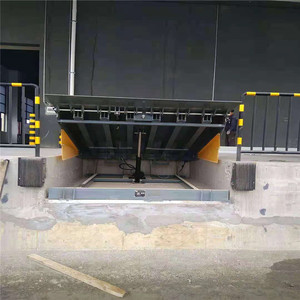
Cross-docking is not a one-size-fits-all solution; its execution varies significantly across different industrial sectors operating within the Illinois freight corridors. Our specialized equipment, including high-capacity 6t to 15t container loading ramps and mobile terminal leveling machines, allows customized handling for specific regional industrial applications:
1. Elgin & Joliet Fulfillment Corridors (E-Commerce & High-Tech Retail)
E-commerce sellers importing ocean cargo through West Coast ports via rail intermodal require immediate deconsolidation in Chicago's southwest industrial submarkets (Joliet, Bolingbrook, Elgin). Overseas FCL containers carrying palletized goods are rapidly broken down, sorted by zip code, and loaded directly onto LTL (Less-than-Truckload) carriers for same-day delivery across the Midwest regional market.
2. Rockford-to-Chicago Automotive & Heavy Machinery Equipment
Original Equipment Manufacturers (OEMs) relying on Just-In-Time (JIT) delivery of heavy machinery parts and steel components utilize heavy-duty mobile loading ramps. Our facilities utilize specialized leveling equipment to move oversized project cargo, 40HQ heavy-lift units, and industrial machinery parts directly onto flatbeds without risk of structural stress or plant downtime.
3. Cold-Chain & Perishable Food Industry (O'Hare Air Freight Hub)
Time-critical perishable goods arriving via air cargo at O'Hare (ORD) or reefer sea containers are handled under strict thermal compliance protocols. Immediate cross-docking prevents temperature spikes, transferring chilled or frozen products into temperature-monitored domestic reefer trailers destined for regional grocery distribution centers across Illinois, Indiana, and Wisconsin.
4. Reverse Logistics & US-Origin Return Cargo Processing
International exporters require robust reverse logistics handling for warranty returns, re-manufactured machinery, and origin-rejected cargo. Operating direct sea-freight lanes from China back to North America and vice versa, our Chicago terminal inspects, re-packs, and re-documents returned commodities, ensuring full regulatory compliance with U.S. Customs CBP regulations.
Strategic Development Trends in Chicago Logistics & Transloading
Navigating the modern North American trade landscape requires staying ahead of macro-economic shifts and technological developments shaping the Midwest logistics ecosystem:
Nearshoring and LATAM-US-China Triangular Trade Expansion: As global manufacturing diversifies across Southeast Asia, China, and Latin America (particularly Mexico and Brazil), Chicago has evolved into the key inland clearing hub for multi-origin freight. Shippers are increasingly combining sea freight ocean lines with cross-border rail and road transport, demanding unified logistics oversight across international borders.
Widespread Adoption of Heavy Terminal Equipment: Manual unloading is rapidly fading in modern transloading. Modern facilities deploy heavy-duty 10t to 15t mobile loading ramps and dock leveling machinery to handle non-standard cargo, heavy machinery, and dense industrial pallets safely, protecting dock workers and drastically accelerating container turnaround times.
Scope 3 Carbon Reduction via Transload Ratio Optimization: Environmental regulations and enterprise ESG targets are pushing logistics managers to optimize fuel efficiency. By transloading three 40-foot ocean containers into two 53-foot over-the-road dry vans at Chicago cross-docks, companies cut domestic truck trips by 33%, achieving significant carbon reductions and freight expense savings.
Why Global Manufacturers Choose Our Chicago Cross-Docking Network
Rooted in real-world freight operational expertise, our team provides personal accountability and operational depth that automated platforms and massive faceless freight brokers cannot match.
Founders' Direct Oversight
Founded by logistics veterans Marcus Vinicius Soares (former enterprise freight operations leader managing large-scale infrastructure) and Marco Junior (international rail and multi-modal transport agent), every account receives direct executive supervision without call-center delays.
Trilingual Operational Team
Cross-border supply chains require clear communication. Our operations team works fluently in English, Portuguese, and Spanish, streamlining coordination between international factories, ocean carriers, customs brokers, and domestic truck drivers.
End-to-End Compliance & Coverage
From handling international customs clearance documentation to operating specialized container loading ramps, cold chain FBA logistics, and ocean project cargo handling (20GP, 40GP, 40HQ), we manage your complete supply chain lifecycle under one accountable roof.
Frequently Asked Questions by Chicago Freight Buyers & Importers
Optimize Your Midwest Cross-Docking & Freight Operations
Connect directly with our logistics founding team for tailored routing plans, terminal cross-dock pricing, and comprehensive global catalog specifications.
Get Catalog