Sea Shipping Bulk Vessels & FCL Container Logistics to Europe
OEM Customized Logistics Sorting & Factory Courier Delivery
Heavy Industrial Cargo Service & Last-Mile Expert LCL/FCL
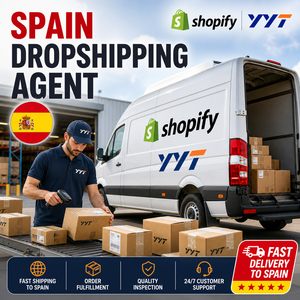
Cross-Border Express Delivery & Multi-Channel Warehousing FBA Prep
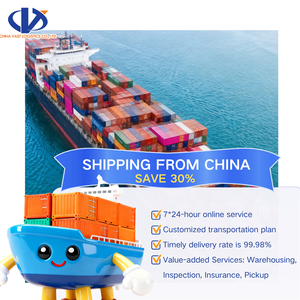
20ft / 40ft / 40HQ Seaworthy Container Global Ocean Freight
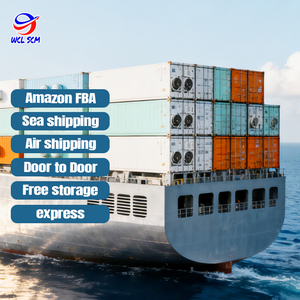
High-Quality International Freight Agent & Door-to-Door Carrier
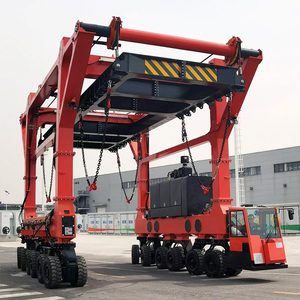
Heavy Duty Container Straddle Carrier & Terminal Handling Solutions
Strategic Logistics Whitepaper
Navigating Landlocked Supply Chain Architecture Serving Austria
An authoritative analysis on optimizing modal routes, transit time vectors, and regulatory clearance frameworks for global manufacturing hubs targeting Central and Eastern Europe.
1. Strategic Gateway Analysis: Solving Austria’s Landlocked Geography
As a key economic powerhouse in Central Europe, the Republic of Austria presents a unique supply chain structural dynamic. Being geographically landlocked, Austrian manufacturing hubs—such as the heavy machinery sector in Upper Austria (Linz/Wels), the automotive and mobility cluster in Styria (Graz), and the high-tech green technology hubs around Vienna and Carinthia—rely entirely on seamless ocean-to-rail and ocean-to-road intermodal corridors.
Traditional freight forwarding models frequently default to Northern European sea ports such as Hamburg, Bremerhaven, or Rotterdam. However, modern supply chain engineering demonstrates that for origins in Asia-Pacific, North America, and South America, Southern European Maritime Gateways (specifically the Adriatic Ports of Koper, Slovenia, and Trieste, Italy) provide a decisive competitive advantage. Rail block trains connecting Port of Koper directly to the Vienna South (Wien Süd) and Linz Freight Terminals reduce maritime transit times by 4 to 7 days compared to Northern Range options, eliminating unnecessary carbon expenditure and reducing overall transit variance.
Information Gain Insight: Routing ocean freight destined for Southern and Eastern Austria via the Adriatic Corridor (Trieste/Koper) yields up to a 18% reduction in fuel-burn index and avoids Northern corridor rail congestion bottlenecks during peak seasonal traffic.
| Corridor / Mode | Entry Gateway | Avg. Transit Time | Primary Industry Application | Customs Control Point |
|---|---|---|---|---|
| Adriatic Rail Express | Port of Koper / Trieste | 14 - 18 Days (Asia-AT) | Industrial Machinery, Automotive Parts, Steel | e-Zoll Austria / Koper T1 |
| Northern Sea Feeder | Hamburg / Bremerhaven | 22 - 26 Days (Asia-AT) | Consumer Electronics, Bulk Retail, Packaging | ATLAS / Zollamt Österreich |
| Silk Road Rail Express | Malaszewicze / Budapest | 16 - 20 Days (Trans-Eurasia) | Time-Sensitive Automotive & High-Tech Components | EU Border Transit (T1) |
| Air Priority Cargo | Vienna Intl. Airport (VIE) | 2 - 4 Days (Global Direct) | Pharma, Emergency OEM Spare Parts, Prototyping | VIE Cargo Terminal Customs |
2. Austrian Industrial Cluster Demands & Specialized Application Scenarios
Supply chain precision requires customizing logistics execution based on localized regional manufacturing clusters. Freight forwarders supporting factories serving Austria must align their equipment, container staging, and inland distribution models with regional operational profiles:
Styria & Graz Mobility Cluster
High-frequency, just-in-sequence (JIS) deliveries for tier-1 automotive components. Requires climate-tracked FCL containers, strict SLA tracking, and zero-delay inland transport to prevent production line disruption.
Upper Austria (Linz & Wels) OEM Sector
Heavy machinery and industrial equipment manufacturing. Demands Specialized Flat-Rack, Open-Top, and Heavy-Duty Straddle Carriers along with breakbulk loading protocols at river terminals along the Danube.
Greater Vienna & East Tech Hub
High-value electronics, pharmaceuticals, and consumer goods. Utilizes prioritized door-to-door air freight services into Vienna Airport (VIE) with temperature-controlled last-mile delivery vehicles.
Regulatory Compliance & Trends
E-E-A-T Execution: EU Customs, CBAM & Austria’s 2025-2030 Freight Framework
Navigating evolving regulatory requirements ensures zero-stoppage import clearances and verifiable sustainability data for modern European enterprise compliance.
3. Deciphering EU Customs (e-Zoll Austria) & Carbon Accounting (CBAM)
Cross-border shipping into Austria demands rigorous adherence to the Union Customs Code (UCC) and the Austrian federal customs authority (Zollamt Österreich). All commercial imports require structured electronic declarations submitted via the e-Zoll administrative portal. Key operational checkpoints managed directly by our senior team include:
- Import VAT Deferment (Einfuhrumsatzsteuer-Stundung): Implementing official Austrian VAT deferral mechanisms to optimize cash flow by avoiding immediate tax settlement upon entry.
- CBAM Compliance Integration: As the EU Carbon Border Adjustment Mechanism enforces mandatory reporting on carbon-intensive commodities (steel, aluminum, cement, fertilizers), our logistics protocols embed audited CO2 emissions statements directly into shipping documentation.
- EORI & HS Code Harmonization: Rigorous pre-shipment classification checks ensuring correct tariff application, preventing costly border re-inspection or administrative penalties.
4. Enterprise Capabilities: Founder-Led Logistics Accountability
Direct Founder Accountability
Founded by Marcus Vinicius Soares and Marco Junior—industry veterans with over 20 combined years leading large-scale multi-modal operations. Every Austrian trade lane program is directly overseen by owners, eliminating call-center latency.
Seamless Multilingual Communication
Our operational desk operates fluently across English, German, Portuguese, and Spanish, facilitating clear communication between overseas factories, ocean lines, and local Austrian consignees.
End-to-End Security & Insured Transit
Every shipment—from FCL ocean containers to project cargo and heavy straddle carriers—is backed by comprehensive cargo insurance options, verified carrier networks, and continuous GPS tracking.
Complete Door-to-Door Integration
We manage the entire transit sequence: factory pick-up, origin port consolidation, main ocean/air transport, customs brokerage, and final truck delivery directly to industrial facilities in Austria.
Frequently Asked Questions
Cross-Border Logistics FAQ: Serving Austrian Importers & Buyers
Clear responses to key operational and regulatory inquiries frequently raised by procurement officers in Austria.
What is the optimal shipping route for factory cargo originating in Asia or the Americas bound for Austria?
While Northern European ports (Hamburg/Rotterdam) are widely used, routing via the Adriatic Sea Ports (Port of Koper, Slovenia, or Port of Trieste, Italy) coupled with direct intermodal rail to Austrian terminals (Vienna Süd, Linz) typically reduces total maritime transit time by 4 to 7 days for cargo arriving from Asia or the US East Coast. For urgent, high-value components, air cargo via Vienna International Airport (VIE) provides rapid door-to-door turnarounds.
How are customs clearance and import VAT managed when importing goods into Austria?
All imports are submitted to Zollamt Österreich using the electronic e-Zoll platform. Importers registered in Austria can leverage the Austrian Import VAT Deferment scheme (Einfuhrumsatzsteuer-Stundung), allowing import VAT to be declared on monthly tax returns rather than paid immediately at border entry, significantly preserving corporate liquidity.
Can you accommodate heavy machinery, out-of-gauge (OOG) industrial equipment, and container straddle carriers?
Yes. We specialize in heavy-lift project cargo, utilization of Open-Top and Flat-Rack containers, and specialized breakbulk logistics for heavy machinery. We also handle specialized equipment transport—such as container straddle carriers—coordinating heavy-haul permits and last-mile escort vehicles across Austrian road networks.
How does CBAM (Carbon Border Adjustment Mechanism) affect factory shipments into Austria?
CBAM requires EU importers of specific energy-intensive goods (such as iron, steel, aluminum, and fertilizers) to report embedded direct and indirect carbon emissions. Our team assists manufacturers and Austrian consignees by ensuring shipping documents include compliant emissions data and origin certificates required for quarterly CBAM reporting.
What details are required to receive an accurate, door-to-door freight quote for Austria?
To provide a comprehensive quote, please provide: commodity description and HS code, total weight and package dimensions, pick-up origin address, final delivery address in Austria, preferred Incoterms (e.g. FOB, CIF, DAP, DDP), and target cargo ready dates. Our team guarantees a direct founder response within one business day.
Optimize Your Supply Chain to Austria Today
Partner with an experienced freight forwarder led directly by enterprise founders. Contact our team to request a custom multimodal logistics plan and competitive rate structure.
Send an Inquiry