Integrated Supply Chain Portfolio for Seattle Importers
Engineered for high-density import traffic serving the Port of Seattle, Tacoma NWSA terminals, and Kent Valley fulfillment nodes. Select a specialized service model below to initialize procurement logistics.

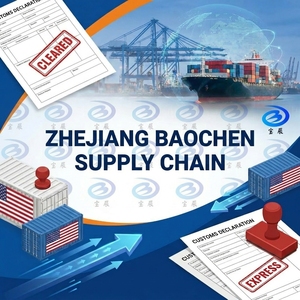
Whitepaper: Strategic Contract Logistics Architecture for the Transpacific–Seattle Gateway
The Pacific Northwest (PNW) trade corridor, anchored by the Northwest Seaport Alliance (NWSA) combining the Port of Seattle and Port of Tacoma, represents the fastest geographical ocean route from major Eastern Chinese manufacturing hubs (Shenzhen, Ningbo, Shanghai, Qingdao) to the U.S. mainland. Operating through the Great Circle Route, container vessels bound for Seattle enjoy a 2- to 3-day ocean transit advantage over Southern California ports (Los Angeles and Long Beach). However, extracting maximum economic value from this geographical advantage requires an integrated, highly specialized 3PL/4PL contract logistics exporter based in China with dedicated operational extensions throughout Washington State.
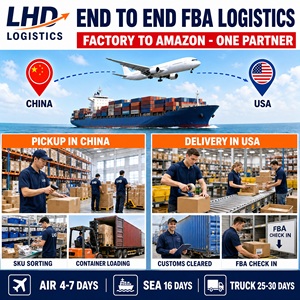
As enterprise wholesale contract logistics exporters serving the Seattle market, we bridge the complex operational gap between Chinese factory floors and Pacific Northwest distribution networks. From initial factory-side cargo consolidation, pre-shipment quality audits, and automated sorting to customs clearance under U.S. Customs and Border Protection (CBP) Port 3001 (Seattle) and Port 3002 (Tacoma), our end-to-end framework eliminates supply chain opacity and costly demurrage penalties.
Information Gain Insight: Unlike generic freight forwarders who hand off bills of lading to third-party brokers, contract logistics exporters specializing in Seattle provide unified door-to-door oversight under Delivered Duty Paid (DDP) or Delivered at Place (DAP) Incoterms 2020. This includes pre-cleared ISF 10+2 filings, direct terminal-to-rail transloading, and dedicated last-mile drayage along the Interstate-5 corridor.
Optimizing Ocean Transpacific Routes: Shanghai/Ningbo to Port of Seattle (Terminal 5 & 18)
Ocean freight remains the bedrock of wholesale contract logistics. Full Container Loads (FCL) dispatched from Yantian, Ningbo-Zhoushan, or Shanghai to Seattle’s Terminal 5 (operated by SSA Terminals) or Terminal 18 benefit from shorter berth wait times compared to Southern California. For smaller wholesale consignments, Less than Container Load (LCL) consolidation programs aggregate products at Chinese export hubs, guaranteeing space allocation during peak shipping windows (Q3/Q4 pre-holiday surge).
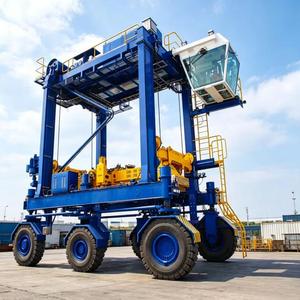
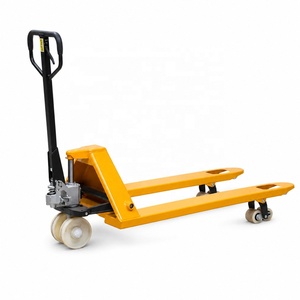
Furthermore, our integrated heavy equipment handling solutions—deploying heavy-duty hydraulic pallet trucks (up to 3500kg capacity) and container straddle carriers at terminal consolidation points—ensure zero structural damage during transloading of industrial machinery, automotive spares, and heavy retail shipments destined for Seattle enterprise buyers.
Localized Application Scenarios Across the Seattle Metropolitan Area
Contract logistics is not a one-size-fits-all execution. The physical economy of the Seattle metropolitan area spans diverse industrial sectors, each with unique warehousing, handling, and velocity requirements. Below are four key localized application scenarios where our China-to-Seattle contract logistics infrastructure delivers demonstrable competitive advantages.
1. Kent Valley & Sumner Amazon FBA Inbound Cross-Docking
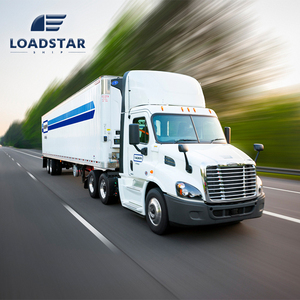
The Kent Valley (Kent, Renton, Auburn, Sumner, Puyallup) forms the primary warehousing spine of the Pacific Northwest. Wholesale e-commerce sellers shipping from China leverage our direct DDP container trucking service to bypass regional sorting centers, performing rapid pallet de-consolidation and automated labeling for immediate appointment-based delivery to Amazon FBA fulfillment facilities (BFI4, BFI5, BFI7).
2. High-Tech & Clean-Tech Components for Bellevue/Redmond Innovation Hubs
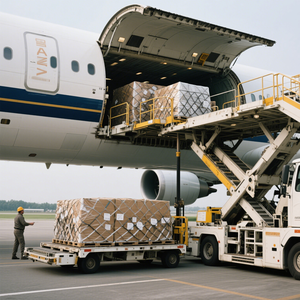
Seattle’s Eastside technology corridor requires time-critical, high-value component logistics. By pairing charter flight options (7–11 day door-to-door transit) and specialized Silk Road expedited trucking corridors with Sea-Tac Airport (SEA) air cargo handling, we secure high-value electronics, sensor arrays, and prototype hardware under strict temperature and shock-monitored protocols.
3. Heavy Machinery & Terminal Material Handling Equipment Logistics
For industrial buyers located in Everett, Tacoma, or Harbor Island involved in maritime construction and port operations, our logistics framework covers heavy-lift project cargo. This includes exporting CE-certified 60-Ton Rubber-Tyred Container Straddle Carriers and industrial-grade hydraulic pallet trucks directly from Chinese manufacturers to Seattle dockside staging areas with complete marine insurance and heavy haul road permits.
4. Omnichannel Retail Distribution & Dropshipping Quality Inspections
Enterprise retailers distributing throughout Washington, Oregon, and Idaho utilize our origin-side quality inspection agents. Products sourced across Guangdong and Zhejiang undergo factory-gate compliance checking, customized Shopify order fulfillment packaging, and barcode validation before ocean container loading, preventing costly reverse logistics from Seattle warehouses.
Localized Development Trends Shaping Pacific Northwest Supply Chains
Procurement directors and supply chain VPs serving the Seattle market face evolving regulatory, environmental, and technological landscapes. Staying competitive requires aligning contract logistics contracts with three macro trends defining the China-to-Seattle trade corridor:
1. NWSA Clean Air Strategy & Decarbonized Drayage Logistics
The Northwest Seaport Alliance has committed to zero-emission maritime operations by 2050. In response, local drayage fleets operating out of Seattle’s Terminal 5 and Tacoma’s Husky Terminal are rapidly transitioning to electric and clean-diesel transport models. Contract logistics exporters offering carbon-transparent shipping options, optimized container load factors, and green inland drayage enable Seattle importers to meet stringent corporate ESG (Environmental, Social, and Governance) targets.
2. Dynamic Multimodal Routing: Air-Sea-Truck Hybrid Solutions
Supply chain volatility—ranging from ocean carrier blank sailings to fuel surcharge fluctuations—has made single-mode transit risky. Modern Seattle importers rely on agile multimodal contracts. When ocean transit encounters congestive delays, contract exporters dynamically pivot high-priority SKUs into charter flights (7-11 day transit) or Silk Road overland trucking networks (offering up to 50% cost savings compared to traditional direct air freight), ensuring seamless retail inventory replenishment.
3. Smart Customs Clearance and Automated Sorting Ecosystems
With U.S. Customs intensifying scrutiny under the Section 301 tariffs, Uyghur Forced Labor Prevention Act (UFLPA), and Type 86 e-commerce entries, compliance error is the leading cause of unexpected warehouse delays in Washington State. Leading contract logistics exporters incorporate automated origin-side sorting, digital packing list serialization, and pre-filed Entry Summary (CBP Form 7501) documentation, enabling instant customs release upon vessel docking in Elliott Bay.
Enterprise Advantages: Why Seattle Importers Trust Our Logistics Framework
Combining over two decades of combined global freight experience with direct founder oversight, we operate as a dedicated extension of your procurement team.
Founder-Led Accountability
No call center buffers or automated ticketing queues. Every contract logistics account is overseen by seasoned logistics operators accountable for every shipment from China factory gates to Seattle unloading docks.
Tri-Lingual Operational Desk
Our operational leadership works fluently across English, Spanish, and Portuguese, streamlining complex multi-national supply chains, vendor communication in China, and regional distribution across the Americas.
Complete Incoterm Versatility
From factory-gate EXW pickup and FOB port staging to full DDP door-to-door delivery with duties, tariffs, and harbor maintenance fees (HMF) fully handled, we adapt to your cash flow and accounting preferences.
Strict SLA & Fast Response
Time is capital. Every inquiry, rate request, and milestone routing update receives a comprehensive operational response within 1 business day guaranteed.
Seattle Enterprise Buyer Procurement FAQ
Addressing core operational, legal, and financial queries common among Pacific Northwest procurement officers and supply chain managers sourcing wholesale contract logistics from China.
What is the average ocean freight transit time from main China ports to Seattle (NWSA)?
Direct ocean transit from major East China ports such as Shanghai, Ningbo-Zhoushan, and Qingdao to the Port of Seattle (Terminal 5 / Terminal 18) or Port of Tacoma typically averages 11 to 14 days port-to-port. When factoring in origin export customs clearance, container vessel loading, US Customs processing under Port 3001, and local drayage to Kent Valley warehouses, the door-to-door transit time ranges between 16 and 21 days under standard FCL conditions.
How do contract logistics exporters mitigate demurrage and detention charges at Port of Seattle terminals?
Demurrage (charges for containers remaining inside the port terminal beyond free time) and detention (charges for holding equipment past allowed off-site days) are minimized through proactive logistics architecture. We ensure Importer Security Filings (ISF 10+2) are lodged at least 24 hours prior to vessel departure from China. Furthermore, our localized Seattle drayage network pre-books terminal appointment slots (via eMODodal systems) prior to vessel discharge, guaranteeing immediate chassis availability and rapid container pulls to off-dock warehouses.
What is the difference between DDP and FOB when importing wholesale goods from China to Seattle?
Under FOB (Free On Board), the seller's responsibility ends once goods are loaded onto the vessel at the Chinese port (e.g., Shanghai). The Seattle buyer assumes all freight costs, marine insurance, US customs brokerage, duties/tariffs (Section 301), and inland transport. Under DDP (Delivered Duty Paid), our contract logistics service handles the entire chain: sea freight, customs entry clearance, Section 301 tariff management, harbor maintenance fees (HMF), merchandise processing fees (MPF), and final delivery to your specified Seattle facility—providing a single, predictable landed cost per unit.
Can you manage specialized project cargo and heavy port terminal equipment exports to Washington State?
Yes. We specialize in contract logistics for heavy machinery and port terminal infrastructure, such as CE-certified 60-Ton Rubber-Tyred Container Straddle Carriers and heavy-duty hydraulic pallet trucks (3500kg capacity). Our project cargo division arranges Out-of-Gauge (OOG) flat rack container shipping, Ro-Ro (Roll-on/Roll-off) vessel chartering, specialized riggers at dockside, and Washington State Department of Transportation (WSDOT) heavy haul permits for seamless transport to final industrial job sites.
How are Amazon FBA inbound logistics handled for sellers based in the Pacific Northwest?
We provide specialized end-to-end Amazon FBA logistics. Goods collected from Chinese factories are audited at origin, palleted according to strict Amazon FBA requirements, and shipped via ocean FCL or air charter directly to Seattle/Tacoma ports. Upon arrival, our local drayage trucks transport containers to our regional cross-dock warehouse in Kent, WA, where automated sorting, FBA box/pallet labeling, and CARP (Carrier Appointment Request Portal) scheduling are performed before final delivery to regional centers like BFI4.
What documentation is required for seamless US Customs entry at Port 3001 (Seattle)?
Standard documentation includes a Commercial Invoice (detailing itemized value, currency, and origin), Detailed Packing List (net/gross weights and dimensions), Master Bill of Lading (MBL) / House Bill of Lading (HBL), HTS (Harmonized Tariff Schedule) Code Classification, and signed Customs Power of Attorney (POA). Depending on commodity type, additional certificates such as FDA registration, EPA compliance, or Lacey Act declarations may be required. Our compliance team audits all documentation prior to Chinese port departure.
Optimize Your Transpacific Supply Chain to Seattle Today
Connect with our senior logistics architects to evaluate your current freight contracts, receive a comprehensive landed-cost calculation, or establish a customized DDP contract logistics program.
Inquire Now