CE Certified Containerized Cargo & Logistics Solutions
Standardized & Customized ISO Seaworthy Containers Engineered for Global Export Corridors & Port of Osaka Intermodal Delivery
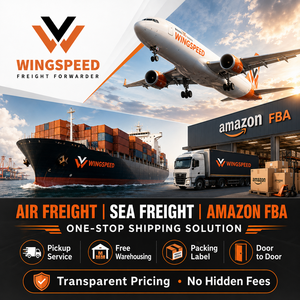
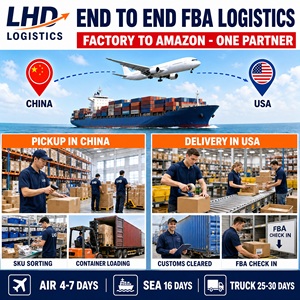
Engineering Rigor: CE Certified Containerized Cargo Manufacturing for Osaka Import Standards
A Comprehensive Structural Analysis of ISO 668/1496 Certified Shipping Containers & Modular Cargo Systems Engineered for Kansai Maritime Terminals
Corten-A Steel Structural Integrity
Our containerized manufacturing protocols leverage high-tensile SPA-H Corten-A atmospheric corrosion-resistant steel (EN 10025-5 compliant). Specially treated for harsh oceanic transits through the East China Sea into Osaka Bay, each unit resists oxidation, saltwater degradation, and severe marine conditions.
- Yield strength rating exceeding 355 MPa for high-stacking capacity.
- Fully continuous automated robotic welding along corner post joints.
- CSC (Container Safety Convention) plate certified by DNV-GL/ABS.
JIS & Japanese Safety Standards Synchronization
Importing containerized equipment and raw freight into Japan demands compliance with both CE Machinery Directive 2006/42/EC and Japanese Industrial Standards (JIS). Our factories customize floor load distribution structures to conform with Japan Ministry of Land, Infrastructure, Transport and Tourism (MLIT) intermodal road laws.
- Heavy-duty 28mm marine-grade bamboo/plywood flooring with low emissions.
- Reinforced ISO 1161 corner castings tested for multi-tier stacking at Port of Osaka.
- Integrated lashing rings rated at 2,000 kg D-ring pull test points.
Technical Specification Matrix: Export-Grade Containerized Freight Units
Comparing Heavy Machinery Enclosures, Standard ISO Shipping Containers, and Custom Modular Equipment Units
| Container Category | Structural Steel Grade | Payload Capacity (Payload Max) | Surface Treatment / Paint | Regulatory Certifications | Osaka Port Suitability |
|---|---|---|---|---|---|
| 20ft Standard Dry Van (20GP) | Cort-A / SPA-H Steel | 28,200 kg | C5-M Marine Epoxy Zinc Primer (300µm) | ISO 668, CSC, CE, TIR | Nanko Container Terminal / Intermodal Road |
| 40ft High Cube Cargo (40HQ) | SPA-H Corten Anti-Corrosion | 28,620 kg | C5-M Multi-layer Polyurethane Topcoat | ISO 1496-1, CSC, CE, BV | Yumeshima Logistics Hub & Hanshin Port Cluster |
| Flat Rack & Open Top (OOG) | Structural Steel S355JR / SPA-H | 45,000 kg (Reinforced) | Heavy-Duty Marine Galvanized Coating | CE Machinery Directive, ISO 1161 | Oversized Industrial Equipment & Machinery DDP |
| Modular Machinery Enclosures | Custom Heavy I-Beam Framing | Tailored to Precision Gear | Thermal Barrier + Salt-Spray Resistant Coat | JIS Building Code, CE Mark, ISO 9001 | Sakai Industrial District & Factory Direct Offloading |
Localized Application Scenarios: Powering Osaka’s Maritime & Industrial Ecosystem
From Port of Osaka (Nanko & Yumeshima) to the Keihanshin Industrial Hub — Tailored Logistics & Cargo Execution
1. Yumeshima & Nanko Logistics Port District Integration
The Port of Osaka (Hanshin Port cluster) serves as the primary gateway for western Japan. Our CE-certified containerized cargo systems are optimized for rapid quay-side handling at Nanko Container Terminal and Yumeshima Green Logistics Zone. We ensure seamless clearance via Japan’s Automated Cargo Clearance (NACCS) system, reducing dwell times to zero.
2. Sakai Industrial Area Precision Equipment Transport
Osaka’s manufacturing belt—stretching through Sakai, Higashiosaka, and Kadoma—requires ultra-reliable heavy machinery transport. Our 40HQ FCL flat rack containers and specialized modular units provide shock-absorption, moisture-tight sealing, and anti-vibration framing tailored for high-precision machinery manufacturers importing component assemblies.
3. Modular Factory & Containerized Genset Shipping
For modular energy storage systems (ESS), containerized generator sets, and industrial water treatment modules destined for Kansai commercial projects, our factories produce customized CE-stamped enclosures that comply directly with Japanese fire safety codes and environmental noise emission thresholds.
Logistics & Infrastructure Trends Shaping the Osaka Market (2025–2030)
Market Analysis on Decarbonized Shipping, Expo Legacy Logistics, and Automated Customs Brokerage
Green Shipping Corridors & Decarbonization
With Japan's strict commitment to Net-Zero carbon emissions by 2050, Hanshin Port is converting its terminal infrastructure to shore power (Cold Ironing) and green hydrogen fuel cells. Exporters serving Osaka must provide eco-certified containerized units manufactured under ISO 14001 environmental management systems, utilizing low-VOC marine coatings and sustainable bamboo flooring solutions.
Rise of DDP (Delivered Duty Paid) End-to-End Demands
Japanese buyers in Osaka increasingly favor DDP (Delivered Duty Paid) Incoterms over traditional FOB terms. This shift places complete operational accountability on the exporter and logistics partner to manage origin factory loading, ocean freight booking, Japan Customs clearance, Consumption Tax (JCT) settlement, and final overland drayage to inland warehouses in Kobe or Kyoto.
Enterprise Excellence: Why Leading Global Importers Partner With Us
Built on Founder Accountability, Decades of Maritime Expertise, and Rigorous Cross-Border Logistics Precision
Hands-On Founder Accountability
Unlike massive, impersonal logistics conglomerates where your cargo gets lost in ticket queues, our enterprise is spearheaded by seasoned industry founders (drawing on over 20 years of combined global freight experience). Every complex container movement is directly supervised by Senior Operations Directors who take personal pride in performance.
End-to-End Quality & Compliance Control
From raw Corten steel factory inspection to final port container release in Osaka, our teams manage every node. We pre-audit commercial invoices, packing lists, bill of lading (B/L) drafts, and Certificate of Origin documents to ensure 100% smooth entry through Japan Customs, eliminating costly port storage fees.
Multilingual Operational Desk
International cross-border logistics requires crystal-clear communication. Our specialized trade desk operates fluently in English, Japanese, Chinese, Spanish, and Portuguese—bridging supply chain gaps between manufacturing plants in Asia/Americas and consignees across the Osaka Bay industrial area.
Frequently Asked Questions: Containerized Cargo Procurement for Osaka
Addressing Buyer Intent, Regulatory Compliance, and Port Operations in Osaka & Hanshin Region
What certifications are required for importing shipping containers into the Port of Osaka?
For sea freight intermodal transport, shipping containers must carry a valid CSC (Container Safety Convention) plate certified by recognized classification societies (such as DNV-GL, ABS, or LR) confirming structural integrity under ISO 1496-1. If the containerized unit houses machinery or electrical equipment for use in Japan, it must also satisfy CE Marking (for international export standard) and conform to Japanese Electrical Appliance and Material Safety Law (PSE) or JIS guidelines where applicable.
How long is the sea transit time from major Asian origin ports to Osaka (Nanko/Yumeshima)?
Direct ocean freight services from major manufacturing hubs such as Shanghai, Ningbo, Qingdao, or Shenzhen to the Port of Osaka typically range between 3 to 7 days transit time depending on the carrier line. Including origin container loading, customs clearance export filing, ocean transit, and Osaka port handling, total end-to-end door-to-door transit under DDP terms averages 10 to 14 business days.
Can you handle DDP (Delivered Duty Paid) shipping to inland destinations in Kansai?
Yes. Our comprehensive DDP freight solution encompasses origin factory pickup, ocean container carriage, export clearance, Japan import customs entry through NACCS, payment of Japan Consumption Tax (JCT) and applicable import tariffs, as well as final heavy-lift truck drayage directly to your factory or warehouse site in Osaka, Kobe, Kyoto, Nara, or Sakai.
What anti-corrosion protection is applied to containers traveling to Osaka’s humid marine climate?
All our factory-produced containerized units are constructed using SPA-H Corten-A steel, followed by an aggressive blast cleaning process (ISO 8501-1 SA 2.5 standard). We apply a C5-M high-durability marine coating system comprising an zinc-rich epoxy primer, intermediate epoxy tie-coat, and a top-grade polyurethane finish with a total dry film thickness (DFT) exceeding 300 microns, built to withstand marine ocean atmospheric salinity.
What documentation is required to ensure smooth Japan Customs clearance?
Standard mandatory documentation includes the Commercial Invoice (specifying accurate HS codes), Packing List, Clean on Board Ocean Bill of Lading (B/L), Certificate of Origin (Form E or RCEP preferential certificates if applicable), and detailed technical specification sheets for containerized equipment. Our trade compliance experts review all draft documentation prior to vessel departure to guarantee zero delays at Osaka Customs.
Partner With a Trusted Container Factory & Global Logistics Exporter
Elevate your Osaka import operations with CE-certified structural engineering, direct founder oversight, and flawless DDP sea cargo execution.
Get a Quote