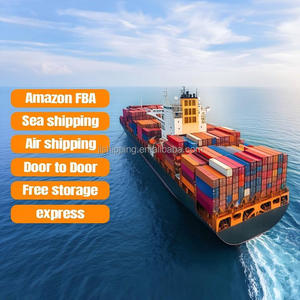
Trusted Global Logistics Partner Freight Forwarding Import Export Consolidation Project Cargo Specialized Handling Company
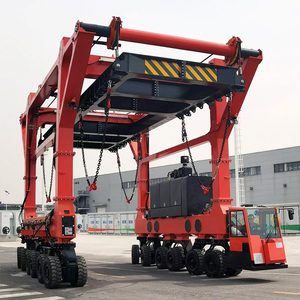
Heavy Duty Container Straddle Carrier for Efficient Port Terminal Container Handling and Transport
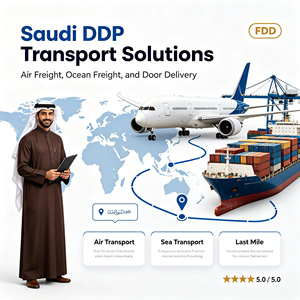
FCL Container Shipping To Dammam Jeddah Saudi Arabia DDP Sea Freight
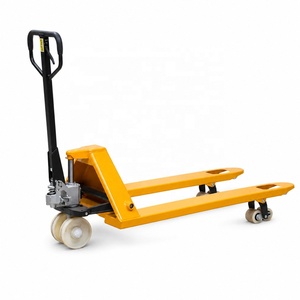
Hydraulic Pallet Truck BF 3500kg for Port Terminal Cargo Handling Heavy Duty Material Transport
Professional DDP Shipping Service China to USA with Automated Sorting & Express Last-mile Delivery
China Freight Forwarder FCL From China to PUERTO CALDERA CR Project Cargo Handling 40GP/20GP/40HQ Containers
Forwarder Shipping From China to Canada DDP Sea Freight LCL Container Shipping for Bulk Pallets Heavy Cargo
Executive White Paper: Bonded Warehousing Infrastructure Serving the Philippines
In the contemporary landscape of global logistics, Customs Bonded Warehousing (CBW) has emerged as a cornerstone strategy for multinational manufacturers, regional distributors, and trading conglomerates operating within the Republic of the Philippines. Regulated under the statutory framework of the Customs Modernization and Tariff Act (CMTA - Republic Act No. 10863) and overseen by the Bureau of Customs (BOC), bonded warehousing facilities afford businesses a legally compliant mechanism to store imported goods, raw materials, components, and finished products without the immediate assessment and payment of customs duties and value-added taxes (VAT).
As the Philippines accelerates its strategic positioning within the ASEAN economic network—anchored by major maritime trade gateways in Manila (MICP and South Harbor), Batangas, Subic Bay, Clark, and Cebu—the demand for high-tier, technology-driven bonded warehousing solutions has reached unprecedented levels. Our enterprise logistics architecture bridges global manufacturing hubs (including China, North America, and Europe) with Philippine industrial centers, providing specialized infrastructure tailored for Duty Deferment, Value-Added Processing, Re-exportation Logistics, and PEZA (Philippine Economic Zone Authority) Integration.
Localized Application Scenarios & Industrial Hub Integration
The Philippine archipelago presents a unique archipelagic logistics environment requiring customized, region-specific bonded warehousing strategies. Our operations are specifically engineered to integrate with the country's prime industrial economic zones and commercial gateways:
Metro Manila & Batangas Gateway
Serving the Manila International Container Port (MICP), Port of Manila South Harbor, and the Port of Batangas. Ideal for high-volume fast-moving consumer goods (FMCG), retail imports, and urban distribution where duty deferment maximizes working capital efficiency before releasing stock into local commercial channels.
PEZA Ecozones (Luzon Corridor)
Direct interoperability with PEZA-registered technology parks in Laguna, Cavite, Batangas, and Pampanga. Facilitates tax-exempt cross-docking, raw material consolidation for electronics assembly, and seamless transfer between bonded manufacturing warehouses (ICBW/CCBW).
Subic & Clark Freeport Zones
Leveraging Northern Luzon’s premier logistics bypass corridors. Provides multi-modal air-sea connectivity, regional distribution center (RDC) staging, and tax-sheltered transshipment for machinery, heavy project equipment, and automotive spare parts.
Technical Framework: Bureau of Customs (BOC) Classifications
Under Philippine Customs Administrative Orders (CAO) and Customs Memorandum Orders (CMO), bonded warehouse facilities are categorized based on ownership, operational scope, and commodity nature. Understanding these technical distinctions allows enterprise buyers to structure legally compliant supply chains:
| BOC Facility Type | Regulatory Purpose | Target Industrial Sector | Financial & Tax Advantage |
|---|---|---|---|
| Public CBW | Storage of imported general merchandise for third-party account owners. | General Importers, E-Commerce, Retailers | Duty deferment up to 1 year; release upon partial tax payment. |
| Private CBW | Dedicated storage owned/operated by a single enterprise for proprietary goods. | Multinational Manufacturers, Automotive OEM | Streamlined inventory auditing; integrated WMS compliance. |
| Industry-Specific CBW (ICBW) | Storage and processing of raw materials for specific export industries. | Garments, Semi-Conductors, Electronics Assembly | 100% tax exemption upon re-exportation of finished goods. |
| Customs Common Bonded (CCBW) | Consolidated raw material sourcing facility serving participating micro/SME exporters. | Export Manufacturing Clusters, Cottage Industries | Shared operational overhead with individual duty accounting. |
Philippine Bonded Logistics Trends & Strategic Outlook (2025–2030)
The Philippine freight and logistics landscape is undergoing a systemic transformation driven by legislative modernization, digital customs enforcement, and structural shifts in global manufacturing networks:
01
E2M & Automated Tracking
Full digital integration with the Bureau of Customs Electronic-to-Mobile (E2M) system and automated WMS API linkage, enabling real-time audit trails and automated duty calculation.
02
China+1 Realignment
As global enterprise manufacturers diversify supply bases away from single-source nations, the Philippines acts as a primary secondary node for light manufacturing and sub-assembly storage.
03
Cold Chain Expansion
Surging demand for temperature-controlled bonded facilities to support imported pharmaceuticals, agricultural perishables, and biopharmaceutical supply lines entering Manila and Cebu.
04
Green Warehousing
Adoption of solar-powered logistics assets, eco-friendly material handling equipment (MHE), and reduced carbon footprint documentation for ESG-conscious global brands.
Why Enterprise Buyers Partner with Our Logistics Network
Backed by over two decades of combined operational leadership—rooted in the extensive management experience of co-founders Marcus Vinicius Soares and Marco Junior—our international logistics company delivers a distinct, founder-led operational methodology. Unlike legacy corporate freight forwarders who route client requests through automated call centers and decentralized ticketing systems, our organization assigns direct accountability to senior industry professionals.
Precision Customs Engineering
Our team brings deep expertise in tariff nomenclature, HS Code classification, and valuation rules under the World Customs Organization (WCO) framework, eliminating risk of customs penalties or unexpected cargo holds in Philippine ports.
Multi-Modal Logistics Integration
From ocean FCL/LCL consolidation to priority air freight and heavy-lift straddle carrier project logistics, we handle end-to-end transport across sea, air, rail, and land interfaces with singular accountability.
Multilingual Operational Control
Operations executed fluently across English, Spanish, and Portuguese, streamlining communications across suppliers in Asia, port authorities in LATAM/US, and buyers in the Philippines.
Frequently Asked Questions by Philippine Importers & Global Suppliers
? What is the maximum allowable storage period in a Philippine Customs Bonded Warehouse?
Under the CMTA (Republic Act No. 10863), goods imported into a Customs Bonded Warehouse may remain in storage for up to one (1) year from the date of arrival. Extension requests may be granted by the Bureau of Customs for valid operational reasons, particularly for raw materials intended for manufacturing export products in ICBW facilities.
? How do PEZA-registered companies interact with Bonded Warehousing services?
PEZA-accredited entities enjoy tax and duty exemption privileges. When moving goods between a Customs Bonded Warehouse and a PEZA Economic Zone (such as in Laguna or Cavite), goods move under Customs Transit Documents (e-TRACC system) without incurring duty or local VAT, maintaining a zero-rated tax environment throughout the supply chain.
? What documentation is required to clear bonded shipments at Manila ports?
Key compliance documents include: Commercial Invoice, Detailed Packing List, Master Bill of Lading (B/L) or Air Waybill (AWB), Certificate of Origin (Form E/Form D if utilizing FTA tariff discounts), Import Entry & Internal Revenue Declaration (IEIRD), and specific BOC Surety Bond coverage for deferred duties.
? Can bonded warehousing be utilized for DDP (Delivered Duty Paid) shipments?
Yes. In a DDP agreement serving Philippine consignees, our logistics network handles all pre-clearance, port charges, bonded storage, and custom entry filings. Duties and VAT are calculated, deferred during storage, and cleared immediately prior to final mile trucking dispatch to the buyer's designated address.
? What happens if stored bonded goods are damaged or degraded during warehouse tenure?
Goods damaged or destroyed within a supervised bonded warehouse due to force majeure or non-negligent causes can be exempted from duty assessment upon joint inspection by Bureau of Customs officers and warehouse operators, followed by official condemnation or destruction protocols under CMO regulations.
? How quickly can a customized quote and routing proposal be generated?
Every inquiry submitted to our team receives a formal operational review and transparent pricing structure within one (1) business day, handled directly by an executive logistics strategist.
Optimize Your Philippine Supply Chain & Duty Architecture
Connect with senior logistics directors today to discuss customized bonded storage, customs clearance, or multimodal freight strategies designed specifically for your cargo requirements.
Send an Inquiry