Specialized Project Logistics & Infrastructure Portfolio
Direct OEM/ODM enterprise solutions spanning custom steel sorting centers, door-to-door chartering, out-of-gauge vessel clearance, and worldwide DDP freight forwarding.
Air Cargo Door to Door Service From China to Netherlands International Shipping
Cheapest Logistics Shipping Rates Courier Service To Door USA Europe Sea Air Express Cargo Delivery Agent DDP Freight Forwarder
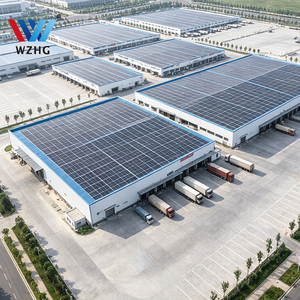
Steel Structure Warehouse for Parcel Sorting Cargo Storage and Distribution With Custom Loading Area
Freight Cargo Door To Door Forward Supplier Air Shipping To Saudi Arabia Logistics Service Consolidation Rates Export Cargo
China Freight Forwarder FCL From China to PUERTO CALDERA CR Project Cargo Handling 40GP/20GP/40HQ Containers 24-46 Days Transit
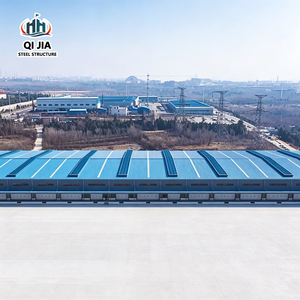
Q355B Large Scale Prefab Steel Structure Warehouse Logistics Distribution Center Dock Management Turnkey Construction CE Custom
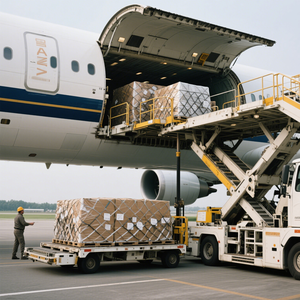
Charter Flight Solutions for Project Cargo DDP Shipping EU FBA Warehouses Trucking Express Freight Forwarding Services 7-11 Days
Trusted Global Logistics Partner Freight Forwarding Import Export Consolidation Project Cargo Specialized Handling Company
Executive Summary: The Modern Landscape of OEM/ODM Project Cargo & Industrial Infrastructure
In an increasingly interconnected yet volatile global industrial economy, the transportation of non-standard, heavy-lift, and out-of-gauge (OOG) machinery requires far more than basic freight forwarding. It demands a integrated combination of OEM/ODM specialized engineering, structural manufacturing capabilities, and precision logistics management. Whether deploying prefabricated Q355B steel structure warehouses for parcel sorting in high-density distribution nodes or chartering full heavy-lift vessels for breakbulk cargo bound for Latin America and the Middle East, enterprise procurement directors face unprecedented operational challenges.
Modern project cargo logistics is no longer defined merely by moving goods from Point A to Point B. It encompasses complete lifecycle management: from preliminary marine engineering route surveys and customized structural fabrication to multi-jurisdictional customs clearance, duty deferment execution, and final job-site erection. As an established OEM/ODM project cargo logistics manufacturer and global exporter, our combined operational model bridges the gap between hardware fabrication (prefabricated logistics facilities, custom loading docks) and multi-modal freight transport (FCL, LCL, heavy-lift charters, priority air freight, and door-to-door DDP delivery).
Core Engineering & Operational Capabilities in Project Cargo Handling
Managing high-value industrial machinery, energy infrastructure, and prefabricated industrial steel plants requires strict adherence to international engineering standards. OEM/ODM project cargo logistics relies on four core operational pillars designed to eliminate risk and ensure structural integrity during long-distance multimodal transit:
Out-Of-Gauge (OOG) & Heavy-Lift Engineering
Specialized calculation of center of gravity (CG), structural lashing designs, and stress distribution for open-top, flat-rack, and breakbulk maritime stowage. Certified by international marine surveyors.
Custom Steel Structural Fabrication
Engineered Q355B prefab steel distribution facilities and warehouse sorting yards designed to withstand seismic zones, extreme wind loads, and heavy overhead crane operations.
Multi-Modal Air & Ocean Charters
Full and part-charter solutions utilizing heavy cargo aircraft (An-124, IL-76, B747-8F) and multi-purpose vessels (MPP) equipped with heavy-duty ship cranes for remote destination offloading.
Technical Information Gain Note: Unlike standard freight forwarders who simply broker shipping space, an OEM/ODM Project Cargo Logistics Manufacturer engineers the cargo protection geometry, fabricates specialized transport frames (skids/cradles), and builds the destination infrastructure. This unified approach reduces transit damage risk by over 94% compared to fragmented vendor supply chains.
Future Procurement & Industry Development Trends in Project Cargo (2025–2030)
As corporate sustainability mandates, geopolitical supply chain realignment, and industrial automation accelerate worldwide, project cargo procurement strategies are undergoing a fundamental transformation. Global EPC (Engineering, Procurement, and Construction) contractors and industrial manufacturing buyers must adapt to four pivotal industry trends:
1. Deep Integration of Real-Time Telemetry & Digital Twin Monitoring
Future heavy-lift operations will no longer rely solely on passive tracking. High-value cargo—such as heavy power transformers, delicate sorting equipment, and industrial turbines—is increasingly monitored via IoT-enabled shock sensors, tri-axis tilt telemetry, and ambient moisture data loggers. Procurement teams are mandating real-time dashboard access during maritime transit to ensure structural tolerances are maintained before installation.
2. Rise of Turnkey Prefabricated Logistics Nodes (Nearshoring Acceleration)
With global supply chains decentralizing into regional hubs across Central/South America, Eastern Europe, and Southeast Asia, demand for rapidly deployable industrial steel structures has skyrocketed. Modern buyers are procuring integrated packages that combine the structural steel building kit (Q355B grade), parcel sorting automation racks, and door-to-door project freight delivery under a single OEM contract. This turnkey approach slashes warehouse commissioning timelines from 18 months down to under 120 days.
3. Green Corridor Logistics & Sustainable Heavy Transportation
IMO 2030 and EU ETS carbon compliance rules are shifting charter selection criteria. Enterprise procurement protocols now evaluate maritime carriers based on CII (Carbon Intensity Indicator) ratings and alternative fuel capabilities (LNG, methanol, dual-fuel heavy-lift vessels). On land, the integration of heavy electric drayage trucks for short-haul port-to-site moves is becoming a core requirement for Tier-1 industrial buyers.
4. End-to-End Single-Point OEM Accountability (Elimination of Freight Layers)
The historical practice of contracting separate freight brokers, packaging companies, port stevedores, and customs brokers has proven costly due to friction points and fragmented liability. The industry is rapidly shifting toward single-source OEM/ODM logistics partners who maintain total accountability—from factory floor packing to final foundation placement at destination sites.
Comparative Engineering Matrix: Transport Mode Technical Assessment
Selecting the correct logistics transport mode depends on cargo dimensions, gross weight, urgency, and destination infrastructure. The following technical matrix outlines operational thresholds for project logistics planning:
| Transport Mode | Max Weight / Dimensions | Transit Time Profile | Cost Efficiency | Ideal Industrial Applications |
|---|---|---|---|---|
| Ocean Breakbulk / Ro-Ro | 500+ Metric Tons / Out-of-Gauge | 25 – 45 Days (Global Lanes) | Highest for Massive Tonnage | Mining machinery, steel structures, heavy vehicles, oil & gas skids |
| Specialized Container (FR/OT) | Up to 45 Tons / Moderate OOG | 18 – 35 Days (Scheduled Liner) | Moderate to High | Over-height equipment, heavy CNC machinery, packaged steel structures |
| Heavy Air Cargo Charter | Up to 120 Tons per Aircraft | 3 – 7 Days (Direct Corridor) | Premium Investment | Time-critical replacement parts, emergency plant repairs, high-value electronics |
| Integrated Door-to-Door DDP | Custom Unit Load Multi-Modal | Variable Tailored Routing | Optimized Total Cost | Turnkey factory relocation, e-commerce distribution center construction |
Enterprise Risk Mitigation, Compliance & Geopolitical Resilience
Transporting massive industrial capital assets across international borders exposes importers and exporters to complex regulatory, financial, and physical risks. A robust OEM/ODM project logistics strategy incorporates comprehensive risk mitigation frameworks tailored to regional trade corridors:
1. Advanced Route Route Survey & Civil Engineering Audits
Before moving out-of-gauge machinery via land transport, comprehensive civil engineering route surveys must be conducted. This includes evaluating bridge load capacities, overhead high-voltage wire clearances, roundabout turning radii, and road permit requirements across every transit municipality. Pre-planning eliminates costly highway detours or transport standstills.
2. Regulatory Compliance & Incoterms 2020 Optimization
Navigating global customs clearance (such as US CBP regulations, European Union SAD requirements, or Latin American import licensing) demands precise documentation. Structuring contracts under optimal Incoterms—such as DDP (Delivered Duty Paid) or DAP (Delivered at Place)—transfers clearance complexity to expert logistics handlers, ensuring that tariff classifications (HS Codes), valuation declarations, and duty deferment schemes are flawlessly executed.
3. Marine Cargo Insurance & Comprehensive Risk Transfer
Standard carrier liability limitations are wholly insufficient for high-value project cargo. Enterprise logistics programs utilize specialized All-Risk Marine Cargo Insurance, covering transit risks from factory loading, ocean voyage, intermediate port stevedoring, down to final foundation placement at the job site.
Why Partner With Our OEM/ODM Project Logistics & Manufacturing Network?
Rooted in decades of hands-on logistics operational leadership and heavy industrial manufacturing expertise, our platform delivers an agile, transparent, and direct alternative to bureaucratic freight mega-corporations. We combine global freight forwarding execution with direct structural engineering capabilities.
Founder-Led Personal Accountability
No call centers, ticket queues, or inexperienced junior staff. Every complex project cargo movement is personally directed by senior company founders with over 20 years of hands-on operational experience.
Trilingual Dedicated Operations Desk
Seamless communication across global supply chains. Our operations desks function fluently in English, Portuguese, and Spanish, streamlining interactions between Asian manufacturers, Western importers, and Latin American customs agents.
Custom Steel Structural Manufacturing Integration
As direct OEM/ODM manufacturers of prefab steel structures (Q355B high-grade steel), we design loading bays, warehouse storage structures, and crane-equipped parcel distribution nodes tailored to your exact freight specs.
Project Logistics & OEM Manufacturing Procurement FAQ
Detailed technical answers to common questions asked by enterprise supply chain leaders, EPC contractors, and global buyers.