Custom Hazmat Shipping Solutions & Specialized Fleet
Explore our certified intermodal hazmat transport assets, heavy-lift port machinery, and temperature-controlled logistics modules engineered to international maritime and dangerous goods standards.

Custom OEM Hazmat Cargo Container Manufacturing & Logistics Engineering
In modern industrial logistics, the transportation of dangerous goods—ranging from industrial chemicals, lithium-ion battery banks, flammable liquids, and cryogenic compressed gases to toxic materials—requires an uncompromising alignment between OEM container engineering and international regulatory compliance frameworks. Standard ISO freight containers are fundamentally insufficient for high-risk dangerous goods. Contracting a certified Custom OEM Hazmat Cargo Shipping Manufacturer is critical to eliminating catastrophic containment failures, mitigating supply chain bottlenecks, and meeting stringent maritime, aviation, and overland transport standards.
Logistics engineering for hazardous materials (Hazmat) demands precision structural modifications. Specialized OEM manufacturers engineer heavy-duty steel containment structures integrated with 316L stainless steel linings, anti-corrosive epoxy coatings, automatic pressure-relief valves, thermal insulation sandwich panels, and active leak detection sensors. Whether shipping via ocean vessel under the IMDG Code, air transport following IATA DGR, or intermodal road/rail networks regulated by US DOT 49 CFR and ADR, custom dangerous goods containers must pass rigorous drop tests, hydrostatic pressure thresholds, and stacking load validations.
UN Dangerous Goods Classification Matrix & Container Engineering Standards
To assist procurement managers, chemical engineers, and supply chain directors, the matrix below details the requisite OEM engineering modifications and compliance criteria required across primary Hazmat classes:
| Hazmat Class | Primary Commodity Risk | UN Packing Group | OEM Container Engineering Requirement | Regulatory Framework |
|---|---|---|---|---|
| Class 1 | Explosives & Pyrotechnics | PG I (High) | Spark-proof wooden lining, anti-static flooring, explosion relief vents. | IMDG Sec. 4.1 / DOT 49 CFR |
| Class 3 | Flammable Liquids (Fuel, Solvents) | PG I / II | T11/T50 ISO Stainless Tanks, internal baffle plates, emergency shutoff valves. | ASME VIII / UN Portable Tank |
| Class 8 | Corrosives (Acids, Alkalis) | PG II / III | Rubber/PTFE interior lining, acid-resistant drainage sumps, dual seals. | RID / ADR / IMDG Code 41-22 |
| Class 9 | Lithium Batteries & EV Packs | PG II Specific | Thermal runaway suppression systems, fire-rated insulation, continuous telemetry. | UN 38.3 / IATA PI 965-967 |
Why Standard Freight Forwarding Fails in Hazmat Supply Chains
The global dangerous goods shipping sector suffers from systemic friction caused by improper documentation, inaccurate UN hazard labeling, and inadequate cargo packaging. Generic logistics brokers lack hands-on operational experience with hazardous material handling, leading to container rejections at port terminals, severe regulatory fines, and vessel stowage delays.
End-to-end reliability requires an integrated manufacturing and freight forwarding approach. OEM Hazmat container manufacturing is not simply about building steel boxes; it encompasses the complete engineering life-cycle: designing UN-certified intermediate bulk containers (IBCs), constructing temperature-stabilized cold chain storage units using polyurethane sandwich panels, and mobilizing specialized terminal support machinery—such as CE-certified 60-ton rubber-tyred straddle carriers and heavy-duty counterbalance diesel forklifts for precision lifting.
Future Procurement & Technology Trends in Custom Hazmat Shipping
The next decade of global dangerous goods procurement is undergoing a paradigm shift driven by stringent ESG regulations, the rapid expansion of the electric vehicle (EV) battery supply chain, and advanced IoT telemetry integration. Procurement executives must adapt their sourcing strategies to match these emerging trends:
Smart Hazmat IoT Telemetry
Real-time monitoring of internal container pressure, temperature, shock, and gas leaks via satellite-linked sensors. Digital twin platforms allow shippers to preemptively detect thermal runaway risks in lithium-ion battery shipments before vessel loading.
Tightening UN Packaging Regulations
Global maritime authorities are enforcing stricter drop-test and puncture-resistance thresholds for intermediate bulk containers (IBCs). OEM manufacturers are shifting toward hybrid composite steel-polyethylene designs offering superior chemical inertness.
Green Corridor Intermodal Freight
Transitioning long-haul hazardous transport from pure air cargo to cost-effective, low-emission overland Silk Road express trucking and electrified rail networks, cutting logistics costs by up to 50% without compromising delivery schedules.
Sustainable Cold Chain & Hazardous Storage Engineering
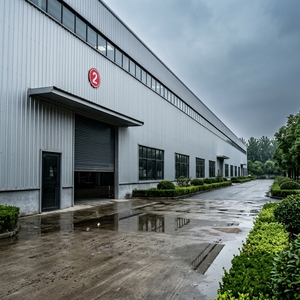
As global chemical demand expands across pharmaceutical and food-grade sectors, the procurement of cold storage infrastructure has shifted toward thermal insulated sandwich panel steel structures. These prefabricated modular warehouses provide climate-controlled containment for temperature-sensitive hazardous agents, preventing volatile chemical degradation and reducing industrial power consumption by up to 35% using high-density polyurethane cores.
Industry Development Trends in OEM Dangerous Goods Equipment
The manufacturing of equipment serving the Hazmat supply chain is evolving toward heavy automation, dual-drive efficiency, and modularization. Port terminals and chemical processing hubs are modernizing their handling hardware to prevent manual operational errors during high-weight container transfers.
Dual-Drive Terminal Straddle Carriers
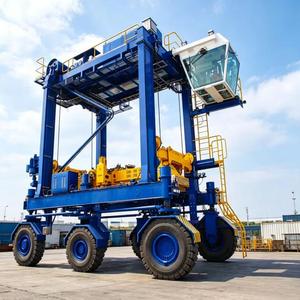
Modern ports are deploying CE-certified 60-ton rubber-tyred container straddle carriers equipped with dual diesel-electric drive systems. These units handle heavy ISO tank containers and loaded Hazmat boxes with millimeter precision, minimizing lateral sway and container stress.
Explosion-Proof Counterbalance Lifters
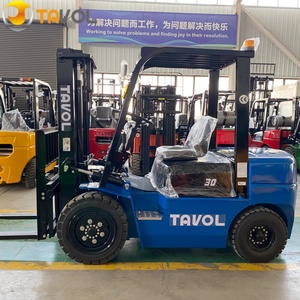
Industrial warehousing now mandates heavy diesel and lithium-electric forklifts (ranging from 2-ton to 10-ton capacities) retrofitted with EX-rated spark-proof electrical enclosures, sealed exhaust systems, and anti-static tires for safe operation inside flammable chemical facilities.
Integrated DDP Last-Mile Compliance
End-to-end Delivered Duty Paid (DDP) door-to-door forwarding has replaced fragmented single-leg shipping. Custom OEM forwarders handle everything: factory pickup, export documentation, customs brokerage, and insured last-mile delivery directly to consignee facilities.
Frequently Asked Procurement Questions
Answers to critical questions asked by industrial buyers, logistics managers, and compliance officers before issuing quotes for custom OEM Hazmat cargo shipping.
What certification standards must Custom OEM Hazmat shipping containers fulfill? +
How does 2M Freight ensure direct founder accountability for dangerous goods shipments? +
What information is required to receive an accurate Hazmat shipping and container quote? +
What is the cost and speed advantage of Express Silk Road Road Trucking vs. Air Freight? +
Can 2M Freight manage customs clearance and door-to-door (DDP) delivery for dangerous goods? +
Engineering Your Custom Hazmat Supply Chain
Connect directly with company founders Marcus Vinicius Soares and Marco Junior to discuss custom OEM container manufacturing, hazardous cargo compliance, or priority intermodal freight scheduling.
Guaranteed response within 1 business day · Trilingual Support: English, Português, Español