Executive Summary: The Strategic Value of Custom OEM Cargo Insurance
In global manufacturing and supply chain management, cross-border freight transportation is subject to operational risks including physical damage, theft, maritime general average declarations, temperature excursions in cold-chain logistics, and geopolitical delays. For Original Equipment Manufacturers (OEMs), Tier-1 industrial exporters, and global procurement enterprises, reliance on basic carrier liability (Carrier's Legal Liability) creates significant financial vulnerability. Standard ocean carrier liability caps (often limited to $500 per package under COGSA or 2 SDR per kilogram under the Hague-Visby Rules) leave million-dollar shipments severely under-protected.
Custom OEM Cargo Insurance coverage bridges this critical protection gap. By establishing tailored marine cargo insurance protocols directly at the factory gate (FOB, EXW, or FCA terms) through to final door-to-door delivery (DDP, DAP), OEM factories and exporters mitigate balance sheet risks, meet complex bank Letter of Credit (L/C) requirements, and ensure seamless capital recovery when supply chain disruptions occur.
Key Insight for Procurement Directors: Carrier liability is not cargo insurance. Ocean lines, air freighters, and trucking fleets are legally protected by extensive statutory exclusions (Act of God, peril of the sea, inadequate packaging). Custom OEM All-Risk Insurance policies guarantee financial indemnity based on commercial invoice value plus freight and anticipated profit margins (typically 110% CIF/CIP value), regardless of carrier fault.
Architectural Framework: Cargo Insurance Clauses & Coverage Typologies
Navigating international marine underwriting requires a clear understanding of the Institute Cargo Clauses (ICC) published by the International Underwriting Association of London (IUA) and the Association of London Underwriters (ILU). Custom OEM factory policies generally utilize three primary tiers of risk protection:
| Insurance Coverage Tier | Primary Perils Protected | Major Exclusions | Ideal OEM Cargo Application |
|---|---|---|---|
| Institute Cargo Clauses (A) / "All Risk" | All risks of physical loss or damage from any external cause (fire, capsizing, collision, jettison, theft, piracy, water ingress, loading damage). | Wilful misconduct, inherent vice, delay, ordinary leakage, inadequate packaging, war/strikes (unless endorsed). | High-value OEM machinery, electrical stackers, container loading ramps, cold chain modular warehouses, sensitive electronics. |
| Institute Cargo Clauses (B) | Specified perils: Fire, explosion, vessel grounded/sunk, overturning of land transport, collision, discharge at port of distress, earthquake/volcano, washing overboard. | Theft, pilferage, non-delivery, freshwater damage, handling impacts during loading/unloading. | Bulk industrial raw materials, structural steel components, heavy unrefined commodities. |
| Institute Cargo Clauses (C) / Major Perils | Catastrophic events only: Vessel stranded/sunk, fire, explosion, collision, jettison of cargo during emergency. | Partial loss, water damage, washing overboard, theft, accidental operational breakage during transit. | Low-value bulk goods, scrap metal, non-perishable structural goods where minimal risk profile exists. |
Deep-Dive Technical Analysis: Tailoring Insurance for Specialized OEM Goods
1. Cold Chain & Insulated Warehouse Logistics
Thermal insulated sandwich panel structures and cold-chain refrigeration units require specialized policy riders. Standard marine policies exclude losses resulting from "inherent vice" or temperature fluctuation unless explicit Refrigeration Machinery Breakdown Clauses or Thermal Variation Coverage Extensions are attached. For food storage and pharmaceutical infrastructure exporters, policies must cover breakdown of refrigeration machinery lasting not less than 24 consecutive hours, alongside failure of thermal insulation integrity during transit.
2. Heavy Industrial Machinery & Mobile Equipment
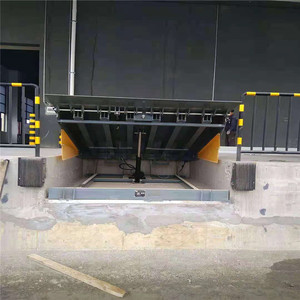
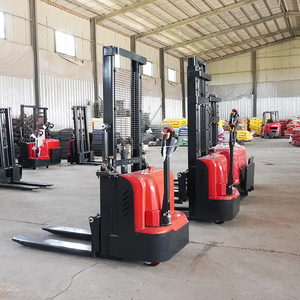
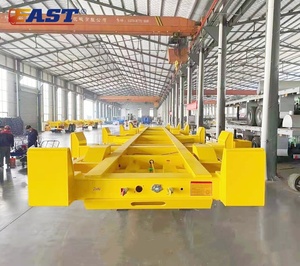
Moving heavy equipment such as container loading ramps, 6t–15t mobile levelers, and electric triplex mast pallet stackers presents unique rigging, lashing, and center-of-gravity risk factors during ocean transit and intermodal drayage. Underwriters require OEM factories to strictly comply with IMO/ILO/UNECE Codes of Practice for Packing of Cargo Transport Units (CTU Code). Custom OEM policies must incorporate Loading & Unloading Endorsements to ensure coverage remains active while machinery is hoisted on or off flat-rack containers or terminal chassis trailers.
3. Full Container Load (FCL) vs. Consolidated (LCL) Freight Vulnerabilities
Less-than-Container Load (LCL) consolidation exposes freight to multiple handlings at CFS (Container Freight Stations), increasing theft, misplacement, and forklift puncture risks by over 300% compared to dedicated FCL shipments. Exporters shipping LCL from manufacturing hubs (such as China or Brazil to North America, Europe, and Australia) must insist on Concealed Damage Clauses (typically extending reporting windows to 30–60 days after unpacking at the final warehouse destination).
General Average Protection
When a maritime emergency occurs and General Average is declared, vessel owners hold cargo hostage until financial guarantees are posted. OEM Cargo Insurance posts instant salvage guarantees, releasing your containers without cash liquidity strain.
Door-to-Door Continuity
Under the Institute Transit Clause (Warehouse-to-Warehouse), coverage attaches the moment goods leave the OEM factory loading bay and continues through ocean/air transit until arrival at the buyer's final inland storage yard.
Concealed Damage Endorsement
Protects OEM exporters against internal structural damage discovered weeks after container seal removal, bypassing typical 3-day carrier claim notification limits.