Direct Supplier Portfolio
Featured Container & Logistics Solutions
Explore our core freight forwarder capabilities, custom clearance programs, heavy-duty cargo platforms, and warehouse construction frameworks tailored for international procurement.

Strategic Whitepaper
Navigating China's Container Shipping Architecture: A Buyer's Sourcing Manual
In the contemporary landscape of global trade, cross-border procurement from China requires far more than merely booking vessel space. Global supply chains face unprecedented volatility—ranging from shifting ocean carrier alliances (such as the 2M Alliance transition, OCEAN Alliance, and THE Alliance realignments) to complex regulatory shifts regarding carbon intensity indicators (CII), EU ETS maritime taxes, and stringent customs audits in North America and Saudi Arabia. Sourcing wholesale container shipping services from premier Chinese forwarders requires an analytical approach centered on freight integrity, risk mitigation, and end-to-end operational visibility.
Key Takeaway for Freight Buyers: Wholesale container shipping is no longer a transactional commodity purchase; it is an integrated engineering workflow encompassing origin port consolidation, automated loading systems, duty-optimized customs brokerage, and reverse logistics structures.
1. Deconstructing the China-to-Global Shipping Ecosystem
China operates the world's most sophisticated port infrastructure, with mega-hubs like Shanghai, Ningbo-Zhoushan, Shenzhen (Yantian/Shekou), and Guangzhou (Nansha) moving over 200 million TEUs collectively each year. Navigating this ecosystem requires an intimate understanding of ocean carrier allocations, spot market mechanics versus long-term contract rates (BCO vs. NVOCC tier rates), and origin-side equipment availability.
A premier Chinese wholesale shipping supplier acts as an extension of your procurement team, bridging the gap between localized manufacturing hubs (such as Guangdong, Zhejiang, and Jiangsu) and overseas destination ports. By deploying targeted consolidation strategies—such as Less-than-Container Load (LCL) buyer’s consolidation—importers can aggregate cargo from multiple suppliers into single Full-Container Load (FCL) units, drastically reducing terminal handling charges (THC) and destination clearance complexity.
| Freight Mode | Optimal Shipment Volume | Transit Time Profile | Cost Structure & Risk Profile |
|---|---|---|---|
| Ocean FCL (20GP / 40HC) | > 15 CBM or heavy industrial cargo | Standard Ocean (14 - 35 Days) | Lowest per-CBM cost; maximum cargo integrity and security; fixed container rates. |
| Ocean LCL Consolidation | 1 to 14 CBM multi-vendor consolidation | Standard Ocean + 3-5 Days sorting | Flexible inventory flow; subject to origin CFS handling fees and destination de-consolidation fees. |
| Priority Air Cargo | Time-sensitive / High value (< 3 CBM) | Express (3 - 7 Days) | High cost per kg; minimal transit risk; perfect for high-margin electronics & seasonal stock. |
| DDP / Turnkey Door-to-Door | Any scale requiring duty clearance | Integrated Ocean/Air + Trucking | Complete seller-managed duty, VAT, and inland haulage risk transfer; predictable landed cost. |
2. Infrastructure Integration: Warehouse Construction & Cargo Platform Equipment
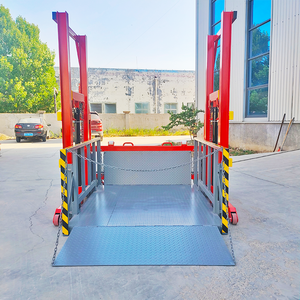
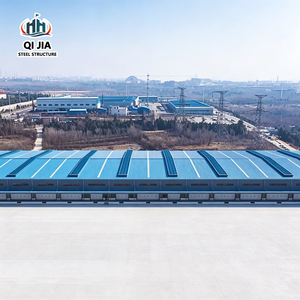
A distinct competitive advantage of top-tier Chinese logistics partners lies in their infrastructural footprint. Global sourcing is no longer limited to freight movement; it spans the design of distribution nodes. For instance, heavy manufacturing and distribution hubs increasingly mandate custom Q355B prefabricated steel structure warehouses equipped with automated mobile loading and unloading platforms.
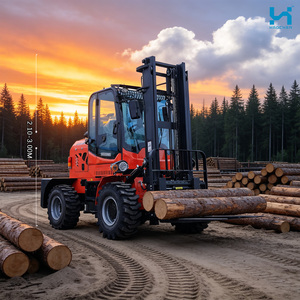
Integrating specialized machinery—such as 3.5T heavy-duty rough-terrain lift trucks for mud and sand sites—ensures that even remote construction project sites in Saudi Arabia, South America, or Africa can receive containerized machinery without experiencing costly port demurrage or site unloading delays.
3. European & Middle Eastern Regulatory & Duty Optimization Frameworks
Navigating customs compliance in demanding markets like Germany, France, and Saudi Arabia demands localized expertise. In Europe, adherence to VAT compliance, customs duty optimization algorithms, and Tax Refund Services prevents unexpected cargo freezes by fiscal authorities. Similarly, shipping to Middle Eastern gateways like Dammam and Jeddah requires meticulous SABER platform certificate filing, SASO compliance, and Saudi Customs (ZATCA) clearance capabilities under DDP (Delivered Duty Paid) frameworks.
Industry Trends
Future Sourcing & Procurement Trends (2025–2030)
Strategic forecasting for global supply chain directors preparing for digital transformation, environmental mandates, and structural trade changes.
Index-Linked Dynamic Pricing
Moving away from rigid annual fixed contracts toward hybrid index-linked pricing (tied to SCFI and Xeneta indices). This model enables enterprise buyers to capture spot rate dips while maintaining space guarantees during peak season surges.
Green Corridor & CII Compliance
Maritime decarbonization mandates are pushing ocean carriers toward LNG, methanol, and biofuel dual-fuel vessels. Forwarders capable of reporting real-time Scope 3 carbon metrics per TEU will become essential for ESG-compliant Western buyers.
Reverse Logistics Ecosystems
With cross-border e-commerce expansion, shipping suppliers must offer comprehensive reverse logistics. Overseas warehouse processing of returned, inspected, or re-packaged goods across North America and Europe minimizes inventory write-offs.
Why Choose Our Network
Operational Excellence & Founder Accountability
Combining decades of logistics execution with localized market immersion across North America, Latin America, Europe, and the Middle East.
Direct Founder Leadership
No automated call centers or ticketing bottlenecks. Every major client account is overseen by seasoned logistics principals with over two decades of combined operational leadership in rail, sea, and air transport.
Trilingual Fluency (EN/ES/PT)
Smooth cross-border trade hinges on clear communication. Our operational team conducts seamless negotiation and customs coordination in English, Spanish, and Portuguese across global trade corridors.
Customs Risk Mitigation
From pre-filing ISF and AMS documentation for US customs to managing complex VAT compliance refund loops in Europe and DDP door delivery in Saudi Arabia, we eliminate hidden customs penalties.
Buyer Knowledge Base
Frequently Asked Questions by Global Importers
In-depth technical answers regarding ocean container logistics, Incoterms, customs duties, and cargo management from China.
What is the structural difference between FOB, CIF, and DDP when sourcing container shipping from China?
Under FOB (Free on Board), the buyer assumes control of the freight once the Chinese supplier loads the container onto the vessel at the port of origin (e.g., Ningbo or Shenzhen). The buyer selects their own freight forwarder and controls ocean freight rates and routing. Under CIF (Cost, Insurance, and Freight), the seller pays for ocean freight and basic insurance to the destination port, but the buyer remains liable for terminal handling, import customs, and local haulage.
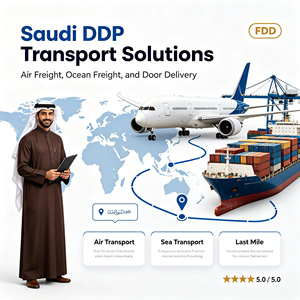
Under DDP (Delivered Duty Paid), the shipping supplier manages the complete logistical chain: origin pickup, ocean carriage, customs brokerage, payment of import duties and taxes (VAT), and final door delivery to your warehouse, presenting a single turnkey rate with zero destination compliance risk for the buyer.
How can buyers mitigate port demurrage and detention charges during peak season?
Demurrage (charges for containers remaining inside the port terminal past free days) and Detention (charges for holding equipment outside the port past free time) can quickly erode profit margins. To mitigate these risks, our network pre-negotiates extended free time (14 to 21 days combined free time) directly with ocean carriers prior to vessel booking. Furthermore, pre-clearing customs via advance filing (such as US ISF 10+2 or European ICS2) ensures containers move straight from vessel under-tack to chassis without delay.
What are the payload limits for standard 20ft and 40ft High Cube containers exported from China?
While a standard 20GP container has a volumetric capacity of ~33 CBM and a 40HC offers ~76 CBM, weight restrictions dictate actual loading parameters. Most shipping lines limit 20ft container cargo weight to 21,500 kg to 26,000 kg depending on origin road transport regulations and destination highway gross vehicle weight limits (such as the US Overweight Corridor rules). 40HC containers generally cap out at 26,500 kg payload despite their larger volumetric capacity. Heavy cargo (machinery, metal coils, structural steel) requires specialized heavy-duty container positioning.
How does your reverse logistics framework handle returned goods from the US, UK, and Canada back to China or overseas hubs?
Our reverse logistics model leverages strategic overseas warehouse processing nodes in North America and Europe. Returned goods from e-commerce buyers or retail channels are received locally, inspected, graded, and stored. Functional stock can be re-labeled and re-fulfilled locally without incurring round-trip international air/sea freight back to China. Damaged or defective items requiring factory rework are aggregated into consolidated return shipments under specialized customs repair procedures to avoid double-taxation upon re-entry into China.
What documentation is mandated for DDP shipping to Saudi Arabia (Dammam/Jeddah)?
Shipping under DDP to Saudi Arabia requires compliance with the Saudi Standards, Metrology and Quality Organization (SASO) guidelines via the SABER online portal. Key required documents include a Product Certificate of Conformity (PCoC), Shipment Certificate of Conformity (SCoC), Commercial Invoice with HS Code breakdown, Bill of Lading (B/L), Certificate of Origin (legalized by the Chamber of Commerce), and detailed Packing Lists. Our dedicated Middle East logistics desk handles complete SABER registration and ZATCA tax/duty compliance to guarantee rapid customs release at Jeddah Islamic Port or King Abdulaziz Port in Dammam.
Optimize Your Global Supply Chain Architecture
Connect directly with our senior logistics directors. Request custom freight rate cards, door-to-door DDP breakdowns, or comprehensive warehousing catalogs today.
Get Catalog