Engineered Cold Chain Infrastructure & Logistics Products
Explore our certified cold storage structural solutions, rapid thermal doors, modular reefer containers, and integrated global freight services.
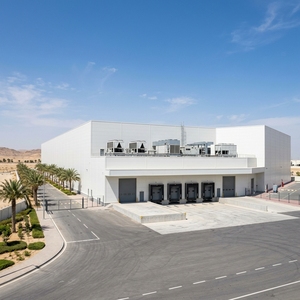
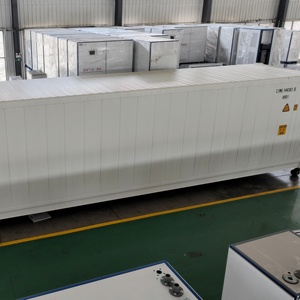
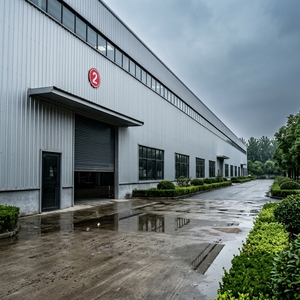

Executive Summary: The Structural & Operational Paradigm Shift in Global Cold Chain Logistics
The global perishables trade—encompassing fresh horticulture, deep-frozen proteins, biologics, and temperature-sensitive electronics—demands zero-margin-for-error logistics solutions. China’s manufacturing ecosystem for cold chain hardware has evolved from standard modular cold room manufacturing into high-precision, automated, energy-neutral thermal infrastructure engineering. Concurrently, international cold chain logistics has bridged physical warehouse manufacturing with multimodal global reefer shipping, cross-border customs compliance, and real-time telematics tracking.
Procurement directors and supply chain engineers evaluating China top cold chain logistics manufacturers & factories are no longer merely purchasing insulated panels or booking ocean cargo space; they are procuring integrated thermal efficiency ecosystem systems. This whitepaper analyzes structural engineering parameters, dynamic thermal barriers, prefabricated steel-structure cold storage setups, and seamless international reefer freight forwarding operations designed to eliminate cold chain breaks between Asian manufacturing hubs and global distribution networks across North America, Latin America, Europe, and emerging markets.
Technical Architecture: High-Performance Insulation & Rapid Barrier Systems
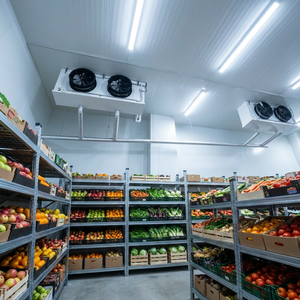
The integrity of any cold storage facility depends directly on thermal isolation performance, structural load capacity, and moisture-vapor barrier seals. High-density Polyisocyanurate (PIR) and Polyurethane (PU) sandwich panels manufactured in top Chinese facilities utilize pentane-blown zero-ODP (Ozone Depletion Potential) rigid foam cores wrapped in structural galvanized steel or food-grade SUS304 stainless steel skins.
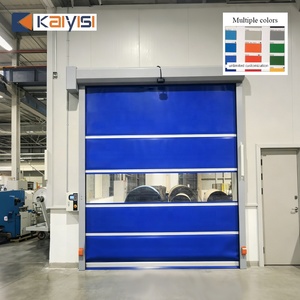
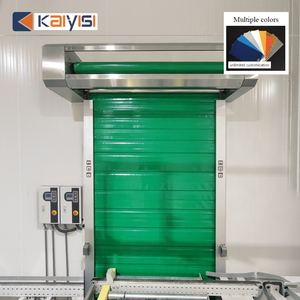
To maintain micro-climate stability during high-frequency warehouse material handling, high-speed rapid rolling shutter doors serve as critical active thermal seals. Operating at velocities up to 2.5 meters per second, these automated doors utilize soft-bottom edges, anti-freezing heating cables embedded within door frames, and double-layer insulated PVC fabrics to prevent ice formation, humidity ingress, and excessive HVAC compressor load cycles.
| Engineering Specification Parameter | PIR Modular Insulated Panel System | High-Speed PVC Rapid Rolling Door | Containerized Mobile Cold Storage Unit |
|---|---|---|---|
| Core Material Density / Fabric | 42 kg/m³ to 48 kg/m³ Rigid PIR Foam | 1.5mm - 2.0mm High-Tension PVC + Insulation | Hydro-foamed Polyurethane (45 kg/m³) |
| Thermal Conductivity (λ Value) | ≤ 0.019 - 0.022 W/m·K | K-Value: 1.2 to 2.4 W/m²K (Insulated Curtain) | ≤ 0.021 W/m·K |
| Operating Temperature Threshold | -50°C to +80°C (Deep Freeze Grade) | -30°C to +50°C (Anti-Frost Heating Rail) | -35°C to +25°C Controlled Range |
| Fire Resistance Rating | B1 / B2 Standard (ASTM E84 / EN 13501-1) | Class B1 Self-Extinguishing Flame Retardant | Cortene Steel / ISO Standard Fire Rating |
| Vapor Barrier Integrity | Hydrophobic Cell Structure (>95% Closed Cell) | Double Rubber Perimeter Weatherstrip Seals | Stainless Steel Seamless Welded Interior Liner |
| Target Industrial Application | Large Span Logistics Warehouses & Freezers | High-Traffic Cleanrooms & Freezer Lock Air-Locks | Field Harvest Pre-cooling & Intermodal Freight |
Integrated Global Logistics: Cross-Border Reefer Freight & Customs Orchestration
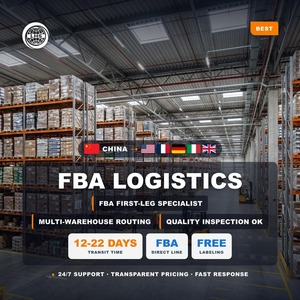
Manufacturing world-class cold storage units is only one half of the equation; transporting perishables or transferring modular cold storage equipment across international borders requires a seamless freight forwarding infrastructure. Navigating international reefer (refrigerated container) transport involves strict adherence to Cold Chain Management Systems (CCMS), continuous data logging, and pre-trip inspections (PTI).
Key international shipping corridors—including East Asian manufacturing gateways from Shenzhen, Ningbo, and Shanghai to North America, Latin America (Brazil, Mexico), Europe (France, Greece), and emerging trade nodes (Turkey, Morocco)—demand end-to-end multi-modal handling. From FCL (Full Container Load) active reefer shipping with Genset generator backups to expedited LCL (Less than Container Load) consolidated cold chain air cargo, precise trade compliance documentation (USDA organic certifications, FDA sanitary clearances, EU health certificates, and customs brokerage) is mandatory to eliminate port detention and preserve perishable integrity.
Future Procurement Trends in Cold Chain Manufacturing & Supply Chain (2025–2030)
As decarbonization mandates tighten globally, procurement officers must align equipment sourcing with dynamic industry innovations:
- Natural Low-GWP Refrigerants: Transition from legacy R404A/R134a refrigerants toward CO2 (R744) transcritical systems and Ammonia (R717) cascade systems, cutting Global Warming Potential (GWP) to zero.
- Smart Telematics & Digital Twin Monitoring: Integration of IoT sensor arrays inside cold storage rooms and reefer containers providing real-time data on temperature excursions, humidity, CO2 levels, and vibration analytics via cloud dashboards.
- ASRS Automated High-Bay Cold Warehouses: Building vertical steel-structure cold facilities reaching heights of 30+ meters utilizing automated storage and retrieval systems (ASRS) operating reliably in oxygen-reduced, -25°C environments.
- Phase Change Materials (PCM) Thermal Buffer Storage: Incorporating latent-heat storage PCMs inside shipping containers and modular panels to provide up to 72 hours of passive cooling protection during transport power outages.
Why Partner with Our China Cold Chain Manufacturing & Logistics Network
Combining heavy manufacturing capabilities with personal hands-on international freight execution.
Turnkey Structural Engineering
Complete single-source procurement for steel structures, PIR insulation panels, rapid rolling doors, and refrigeration rack units optimized for structural resilience.
Strict International Certifications
All structural components, rapid doors, and reefer products comply with CE mark standards, ISO 9001/14001, HACCP cleanroom protocols, and B1 fire ratings.
End-to-End Global Freight Network
Integrated freight forwarding connecting China ports with North America, LATAM, EU, and global hubs with dedicated FCL ocean reefer and priority air freight services.
Founder Accountable Service
Direct communication with experienced logistics professionals and engineering teams. No automated call centers—get direct solutions within 1 business day.
Trilingual Operations Support
Seamless communication in English, Portuguese, and Spanish, bridging communication between Asian factories, Western logistics hubs, and local buyers.
Custom Modular Fabrication
Tailor-made dimensions for clear-span steel frameworks, customizable door opening speeds, and modular cold room panels designed for rapid site installation.
Frequently Asked Questions (FAQ)
Key technical and logistical considerations for international cold chain procurement.
What panel thickness and core density are recommended for deep-freeze (-25°C) cold storage? +
How do rapid rolling PVC doors prevent icing and condensation in high-humidity logistics hubs? +
Can modular steel structure cold warehouses be customized for seismic and high-wind environments? +
What documentation is required for international reefer container ocean freight shipping from China? +
How are containerized mobile cold rooms powered during ocean transit or remote field deployment? +
What lead time is expected for complete factory fabrication and global delivery of cold storage kits? +
Ready to Build or Upgrade Your Cold Chain Infrastructure?
Consult with our engineering and logistics specialists today for custom modular design specifications, factory direct pricing, and end-to-end global shipping solutions.